
How Magnetic Drums Protect Crushers in Aggregate Plants
author: hengci
2026-09-10
A modern aggregate plant can process thousands of tons of stone, gravel, sand, and crushed rock every day. Most of the attention goes to crushing efficiency, screening accuracy, and conveyor capacity. Yet a small amount of unwanted ferrous metal can create a much larger problem than its quantity suggests.
Broken bolts, worn machine parts, steel fragments, excavator teeth, and other tramp iron can enter the material stream during quarrying and transportation. If these objects reach crushers, screens, or other downstream equipment, they can cause mechanical damage, production stoppages, and unnecessary maintenance.
This is where a magnetic drum can become an important part of an aggregate processing system. Installed at a suitable point in the material flow, it continuously attracts ferrous materials while allowing non-magnetic stone and aggregate to continue through the process.
For quarry and aggregate producers, the purpose is not simply to collect metal. The larger objective is to keep the production line running reliably while protecting valuable equipment and maintaining material quality.
Why Tramp Iron Is a Hidden Risk in Aggregate Plants
Sand and aggregate production involves continuous material movement through multiple processing stages.
Rock is excavated, crushed, screened, transferred, stockpiled, and transported. At each stage, there is an opportunity for ferrous metal to enter the material stream.
The problem becomes particularly serious when tramp iron reaches a crusher. A large steel object can become trapped inside the crushing chamber, potentially damaging wear parts or forcing an emergency shutdown.
A magnetic drum provides a continuous barrier against this type of contamination. Instead of depending entirely on manual inspection, the magnetic separation stage continuously interacts with the material flow.
This approach is particularly useful in high-volume plants where stopping the conveyor for manual metal removal would directly affect production.
Broken bolts, worn machine parts, steel fragments, excavator teeth, and other tramp iron can enter the material stream during quarrying and transportation. If these objects reach crushers, screens, or other downstream equipment, they can cause mechanical damage, production stoppages, and unnecessary maintenance.
This is where a magnetic drum can become an important part of an aggregate processing system. Installed at a suitable point in the material flow, it continuously attracts ferrous materials while allowing non-magnetic stone and aggregate to continue through the process.
For quarry and aggregate producers, the purpose is not simply to collect metal. The larger objective is to keep the production line running reliably while protecting valuable equipment and maintaining material quality.
Why Tramp Iron Is a Hidden Risk in Aggregate Plants
Sand and aggregate production involves continuous material movement through multiple processing stages.
Rock is excavated, crushed, screened, transferred, stockpiled, and transported. At each stage, there is an opportunity for ferrous metal to enter the material stream.
The problem becomes particularly serious when tramp iron reaches a crusher. A large steel object can become trapped inside the crushing chamber, potentially damaging wear parts or forcing an emergency shutdown.
A magnetic drum provides a continuous barrier against this type of contamination. Instead of depending entirely on manual inspection, the magnetic separation stage continuously interacts with the material flow.
This approach is particularly useful in high-volume plants where stopping the conveyor for manual metal removal would directly affect production.
How a Magnetic Drum Removes Ferrous Metal
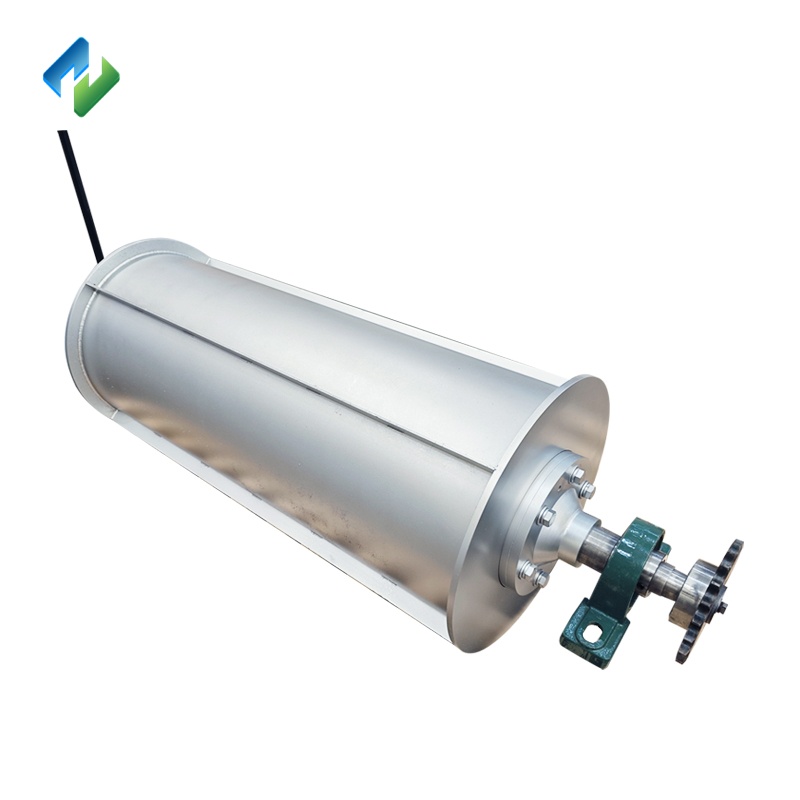
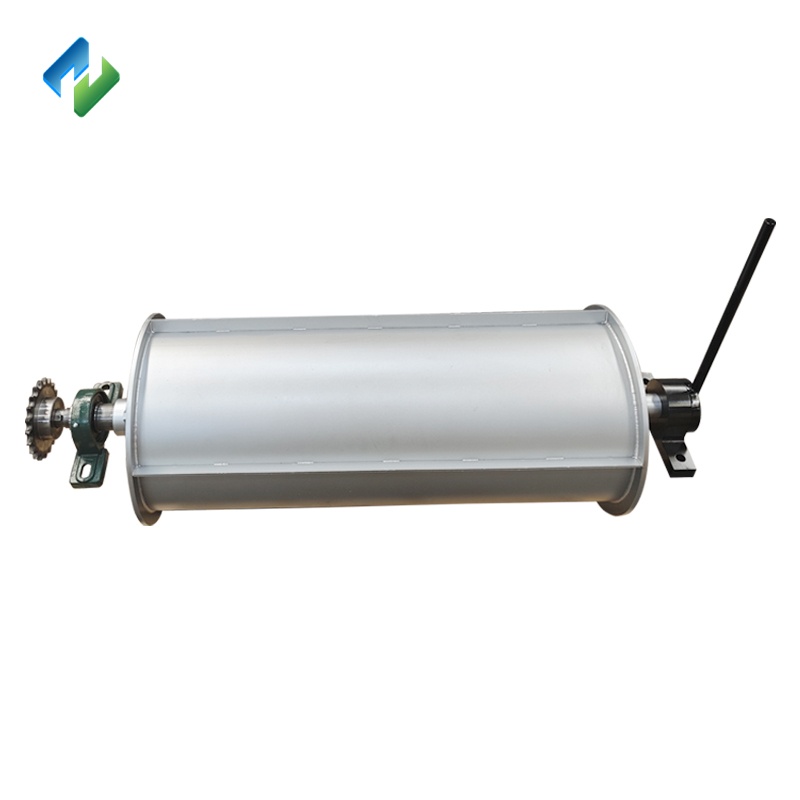
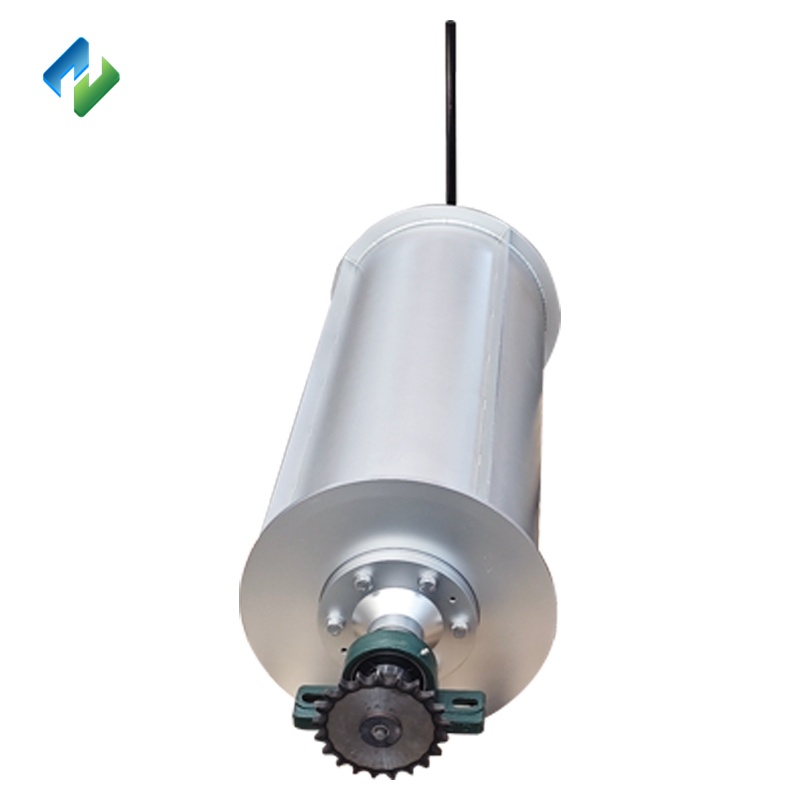
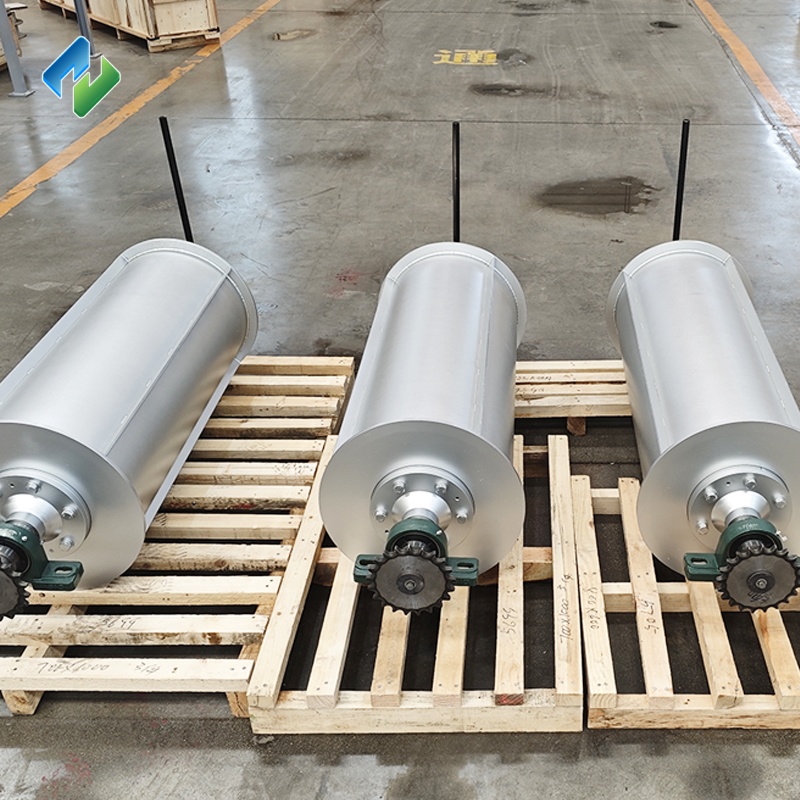
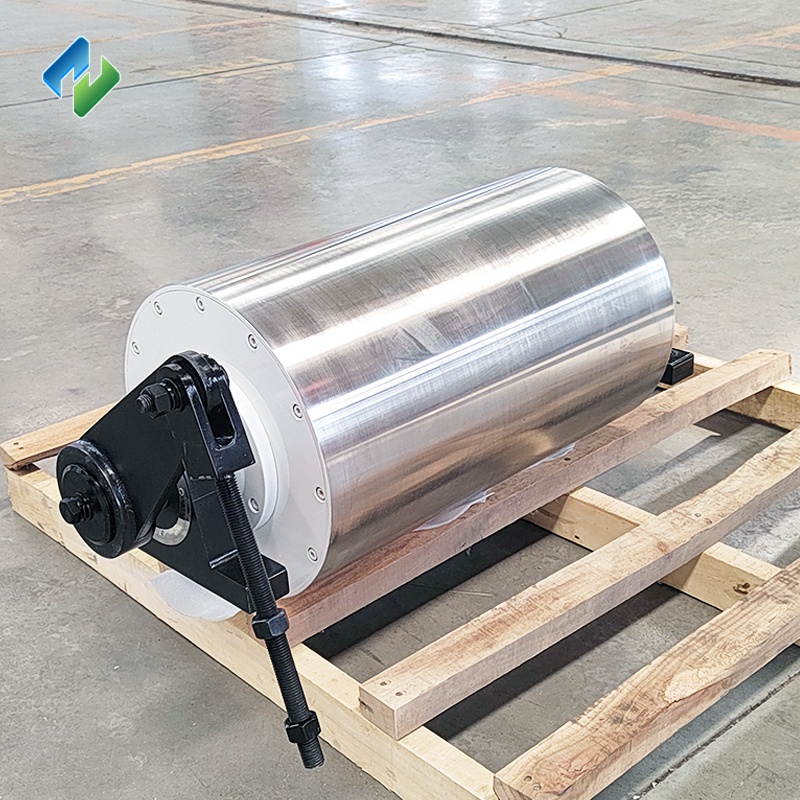
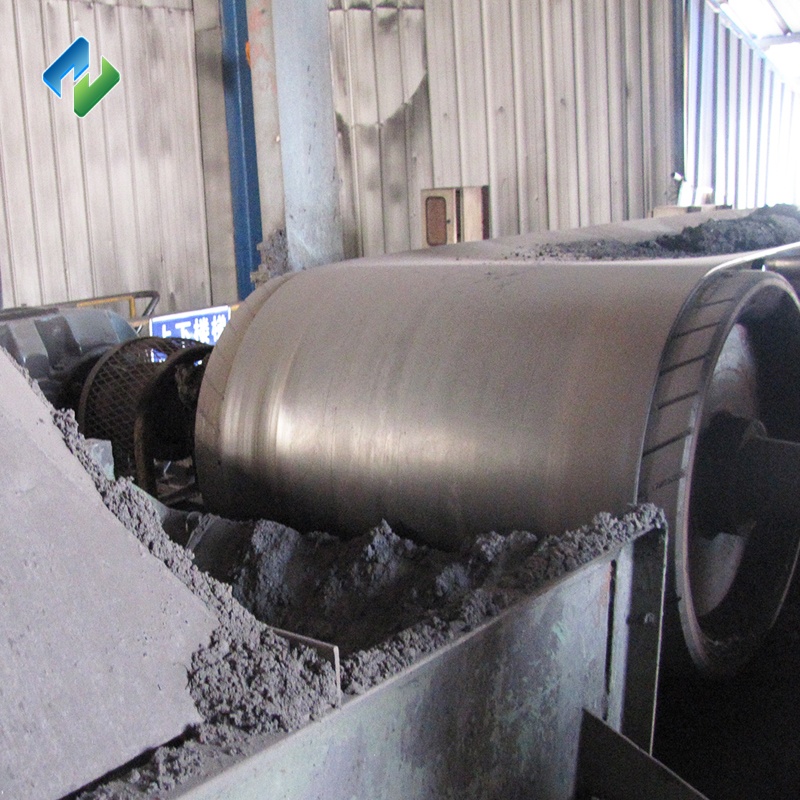
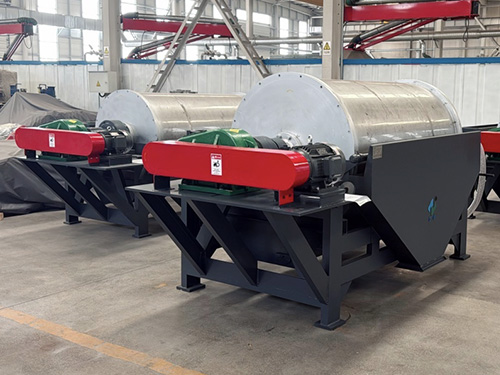
A Magnetic Separator Drum uses a rotating cylindrical drum containing a magnetic system.
As aggregate or other bulk material approaches the drum, magnetic particles are attracted toward the drum surface. Non-magnetic materials are not retained by the magnetic field and continue along their normal trajectory.
As the drum rotates, captured ferrous material is carried away from the main material flow. Once it moves beyond the effective magnetic zone, the magnetic material can be discharged separately.
This creates a continuous separation process without requiring operators to manually remove individual pieces of iron from the conveyor.
The actual separation performance depends on factors such as magnetic field strength, drum diameter, drum speed, material depth, particle size, conveyor speed, and the distance between the material and the magnetic surface.
Protecting Crushers Before Expensive Damage Occurs
For many aggregate plants, crusher protection is one of the strongest reasons to install a magnetic drum.
Crushers represent a major investment and are often central to the entire production process. When a crusher stops unexpectedly, the consequences can extend beyond the crusher itself.
Material flow may be interrupted upstream and downstream. Operators may need to remove trapped metal, inspect the crushing chamber, replace damaged wear components, or restart several connected systems.
Using drum magnets before critical crushing equipment provides an additional layer of protection.
The objective is simple: remove ferrous objects before they enter the equipment where they can cause the greatest damage.
For large quarry operations, preventing one serious failure can justify the investment in magnetic separation equipment by reducing downtime and maintenance costs.
Magnetic Drum for Sand and Aggregate Conveyors
Conveyors provide a practical location for magnetic separation because they create a controlled and continuous material flow.
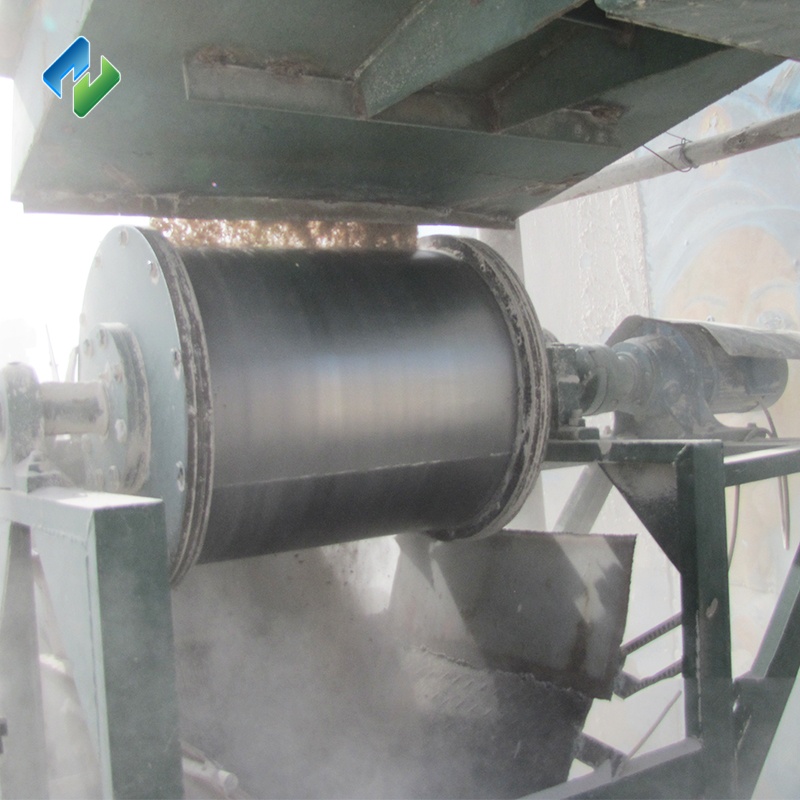
A Magnetic Separator Drum can be installed at a conveyor discharge point, transfer section, or another suitable location where material is presented effectively to the magnetic field.
This is particularly useful for crushed stone, gravel, manufactured sand, recycled aggregate, and other bulk materials.
The installation position should be selected according to the production line layout. If the primary objective is crusher protection, the magnetic separation stage should be positioned upstream of the protected crusher. If the objective is final product cleaning, it can be installed closer to the finished aggregate discharge.
The same basic magnetic principle can therefore support different separation objectives within an aggregate plant.
Removing Ferrous Contamination from Finished Aggregate
Not all magnetic separation is about equipment protection.
Ferrous contamination can also affect the quality of finished sand and aggregate. Customers may have specifications concerning the cleanliness and consistency of construction materials, especially when the material is used in concrete, asphalt, manufactured sand, or other demanding applications.
A Magnetic Separator Drum uses a rotating cylindrical drum containing a magnetic system.
As aggregate or other bulk material approaches the drum, magnetic particles are attracted toward the drum surface. Non-magnetic materials are not retained by the magnetic field and continue along their normal trajectory.
As the drum rotates, captured ferrous material is carried away from the main material flow. Once it moves beyond the effective magnetic zone, the magnetic material can be discharged separately.
This creates a continuous separation process without requiring operators to manually remove individual pieces of iron from the conveyor.
The actual separation performance depends on factors such as magnetic field strength, drum diameter, drum speed, material depth, particle size, conveyor speed, and the distance between the material and the magnetic surface.
Protecting Crushers Before Expensive Damage Occurs
For many aggregate plants, crusher protection is one of the strongest reasons to install a magnetic drum.
Crushers represent a major investment and are often central to the entire production process. When a crusher stops unexpectedly, the consequences can extend beyond the crusher itself.
Material flow may be interrupted upstream and downstream. Operators may need to remove trapped metal, inspect the crushing chamber, replace damaged wear components, or restart several connected systems.
Using drum magnets before critical crushing equipment provides an additional layer of protection.
The objective is simple: remove ferrous objects before they enter the equipment where they can cause the greatest damage.
For large quarry operations, preventing one serious failure can justify the investment in magnetic separation equipment by reducing downtime and maintenance costs.
Magnetic Drum for Sand and Aggregate Conveyors
Conveyors provide a practical location for magnetic separation because they create a controlled and continuous material flow.
A Magnetic Separator Drum can be installed at a conveyor discharge point, transfer section, or another suitable location where material is presented effectively to the magnetic field.
This is particularly useful for crushed stone, gravel, manufactured sand, recycled aggregate, and other bulk materials.
The installation position should be selected according to the production line layout. If the primary objective is crusher protection, the magnetic separation stage should be positioned upstream of the protected crusher. If the objective is final product cleaning, it can be installed closer to the finished aggregate discharge.
The same basic magnetic principle can therefore support different separation objectives within an aggregate plant.
Removing Ferrous Contamination from Finished Aggregate
Not all magnetic separation is about equipment protection.
Ferrous contamination can also affect the quality of finished sand and aggregate. Customers may have specifications concerning the cleanliness and consistency of construction materials, especially when the material is used in concrete, asphalt, manufactured sand, or other demanding applications.
A magnetic drum can remove unwanted iron before the material reaches storage or final shipment.
This creates a final separation opportunity after crushing and screening, helping reduce the possibility that ferrous fragments introduced during processing will remain in the finished product.
For aggregate producers, this can provide an additional quality-control step without significantly complicating the continuous material-handling process.
Applications in Crushed Stone and Gravel Processing
The application range of a Magnetic Separator Drum covers many common aggregate materials.
Crushed limestone, granite, basalt, gravel, and manufactured sand can all pass through magnetic separation stages when there is a risk of ferrous contamination.
In hard-rock quarrying, metal fragments may originate from drilling and excavation equipment. In crushing plants, broken or worn steel components can enter the material stream.
Recycled aggregate may present an even greater risk because the incoming material can contain a mixture of construction debris and metal.
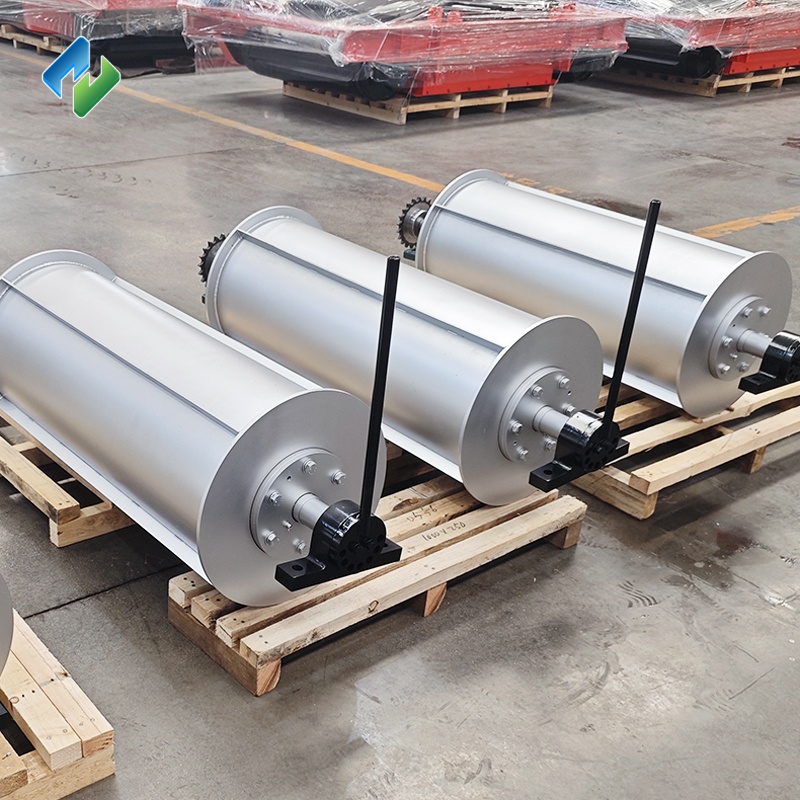
In these applications, drum magnets can provide a continuous method of separating ferrous objects from the bulk material before they create problems downstream.
Magnetic Separation After Crushing and Screening
The position of magnetic equipment within an aggregate circuit can significantly influence its effectiveness.
After primary crushing, the material may contain relatively large pieces of rock and tramp iron. A magnetic separation stage at this point can focus on protecting secondary crushing equipment.
After secondary or tertiary crushing and screening, the material becomes more uniform. A magnetic drum installed at this stage can provide additional ferrous removal and help clean the material before stockpiling.
The correct position depends on the plant's material flow and the type of ferrous contamination expected.
For some operations, multiple magnetic separation points may be more effective than relying on a single unit.
Why Continuous Magnetic Separation Fits Quarry Production
Aggregate plants are rarely designed around intermittent production.
Conveyors, crushers, screens, feeders, and stockpiling systems are normally expected to operate continuously for extended periods. Magnetic separation should therefore match the same operating philosophy.
A magnetic drum can continuously process the material stream as it passes through the separation area.
This reduces the dependence on manual inspection and allows ferrous material to be removed without repeatedly stopping the production line.
For high-throughput quarry operations, this continuous approach can improve process stability while reducing the labor required for routine tramp iron removal.
Permanent Magnets for Lower-Complexity Applications
Not every aggregate plant requires an electromagnetic separation system.
For applications involving strongly magnetic ferrous materials, permanent drum magnets can provide continuous magnetic force without requiring electrical power to generate the magnetic field.
A permanent magnetic system can therefore be attractive where operators want a relatively simple separation stage with low operating complexity.
The appropriate magnetic configuration depends on the size and magnetic properties of the tramp iron, conveyor conditions, material burden depth, and required separation distance.
Where stronger and adjustable magnetic force is necessary, an electromagnetic design may be considered instead.
What to Consider When Selecting a Magnetic Drum
Choosing a Magnetic Separator Drum should start with the actual operating conditions of the aggregate plant.
Important factors include:
- Conveyor width and belt speed
- Material throughput
- Maximum material layer thickness
- Particle size distribution
- Type and size of ferrous contamination
- Required separation distance
- Installation location
- Crusher and equipment protection requirements
A separator designed for a thin layer of fine aggregate may not provide the same performance when installed above a deep stream of coarse crushed rock.
Magnetic field configuration and installation distance are equally important. The equipment must be positioned so that the magnetic force reaches the ferrous material effectively.
Reducing Downtime Across the Aggregate Production Line
A single piece of tramp iron can have an impact far beyond its physical size.
When it causes a crusher to stop, the entire production chain may be affected. Lost production, emergency maintenance, spare parts, labor, and restart procedures can quickly increase the real cost of the incident.
Installing a magnetic drum at a strategic point helps move the separation step upstream, where removing the metal is easier and less expensive.
This preventive approach changes magnetic separation from a simple contamination-control measure into part of a broader equipment-protection strategy.
Building a More Reliable Aggregate Processing System
An efficient aggregate plant is not determined by the performance of one machine alone.
Crushing, screening, conveying, magnetic separation, and material storage must work together. A weakness at one stage can affect the productivity of the entire system.
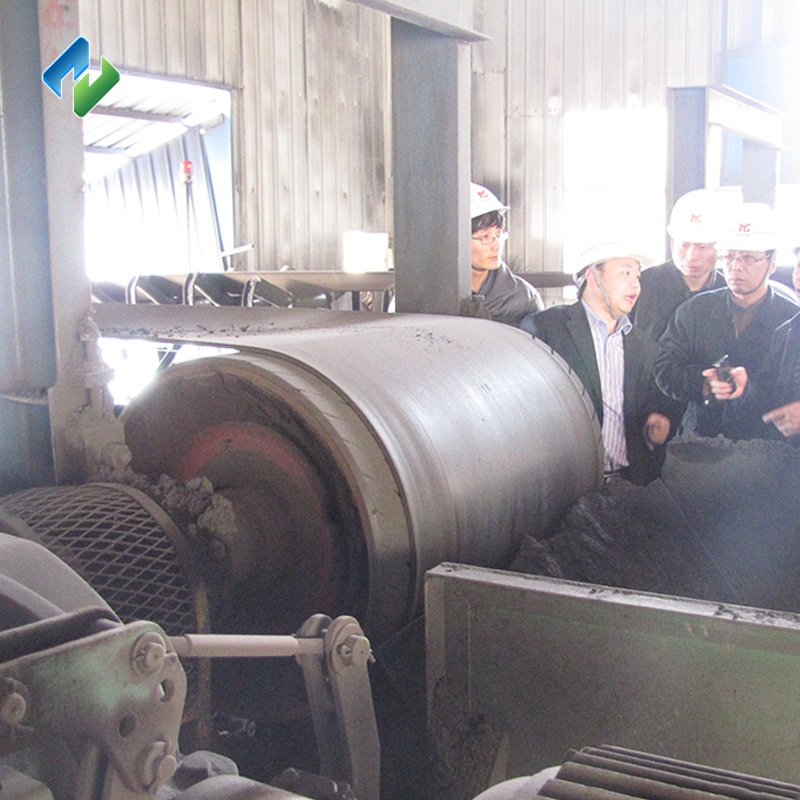
A Magnetic Separator Drum can support this integrated approach by providing continuous ferrous metal removal without interrupting the main material flow.
When combined with appropriate conveyor design, screening, crusher protection, and regular maintenance, magnetic separation can contribute to a more stable aggregate production process.
This preventive approach changes magnetic separation from a simple contamination-control measure into part of a broader equipment-protection strategy.
Building a More Reliable Aggregate Processing System
An efficient aggregate plant is not determined by the performance of one machine alone.
Crushing, screening, conveying, magnetic separation, and material storage must work together. A weakness at one stage can affect the productivity of the entire system.
A Magnetic Separator Drum can support this integrated approach by providing continuous ferrous metal removal without interrupting the main material flow.
When combined with appropriate conveyor design, screening, crusher protection, and regular maintenance, magnetic separation can contribute to a more stable aggregate production process.
Hengci Magnetic Drum for Aggregate Applications
Hengci provides magnetic separation equipment for quarrying, mining, aggregate processing, and bulk material handling applications.
The magnetic drum can be configured according to material characteristics, conveyor conditions, throughput, and ferrous metal removal requirements.
For aggregate producers, the focus is on creating a practical separation solution that fits the existing production line. Depending on the application, the equipment can be used for crusher protection, tramp iron removal, finished-product cleaning, or multiple separation stages.
The right magnetic configuration can help operators reduce the risk of metal-related downtime while maintaining continuous material processing.
Conclusion
Sand and aggregate plants depend on continuous material movement, but ferrous contamination can interrupt that process at any time.
A magnetic drum provides a practical way to continuously remove unwanted ferrous metal from crushed stone, gravel, sand, and other aggregate materials.
From protecting crushers and conveyors to improving finished-product cleanliness, magnetic separation can address several challenges within a modern quarry operation.
The key is selecting the right Magnetic Separator Drum according to conveyor conditions, material characteristics, magnetic requirements, and the location of critical equipment.
When properly integrated into the production line, drum magnets can become a simple but valuable part of a more reliable, efficient, and better-protected aggregate processing system.
Hengci provides magnetic separation equipment for quarrying, mining, aggregate processing, and bulk material handling applications.
The magnetic drum can be configured according to material characteristics, conveyor conditions, throughput, and ferrous metal removal requirements.
For aggregate producers, the focus is on creating a practical separation solution that fits the existing production line. Depending on the application, the equipment can be used for crusher protection, tramp iron removal, finished-product cleaning, or multiple separation stages.
The right magnetic configuration can help operators reduce the risk of metal-related downtime while maintaining continuous material processing.
Conclusion
Sand and aggregate plants depend on continuous material movement, but ferrous contamination can interrupt that process at any time.
A magnetic drum provides a practical way to continuously remove unwanted ferrous metal from crushed stone, gravel, sand, and other aggregate materials.
From protecting crushers and conveyors to improving finished-product cleanliness, magnetic separation can address several challenges within a modern quarry operation.
The key is selecting the right Magnetic Separator Drum according to conveyor conditions, material characteristics, magnetic requirements, and the location of critical equipment.
When properly integrated into the production line, drum magnets can become a simple but valuable part of a more reliable, efficient, and better-protected aggregate processing system.
Roller Magnetic Separator for Non-Metallic Mineral Processing
Wet Drum Magnetic Separator for High-Volume Mining Operations
Related Article
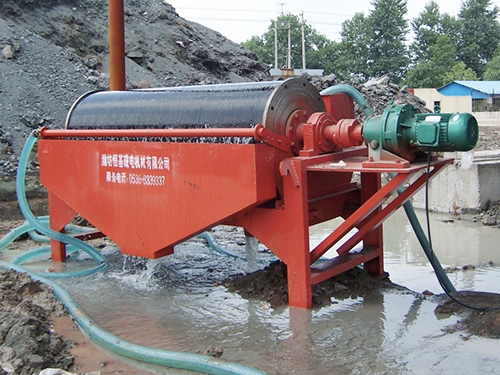
Wet Drum Magnetic Separator recovers magnetic materials from slurry and helps reduce magnetic mineral losses in tailings. Suitable for iron ore processing and mineral recovery plants.
How a Wet Drum Magnetic Separator Improves Mineral Recovery
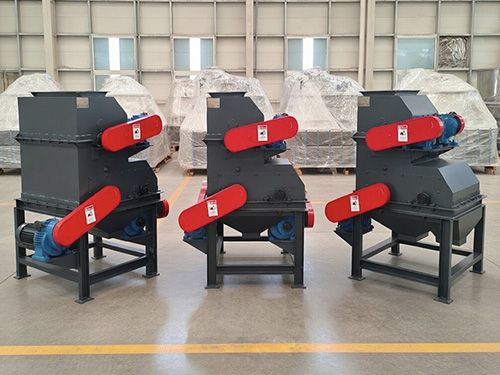
Dry Magnetic Drum Separator removes ferrous contaminants and recovers magnetic materials from dry bulk products. Designed for mining, sand, gravel, aggregates, recycling and material handling.
Dry Magnetic Separator for Metal Ore Processing and Beneficiation
Need Assistance? We're Here To Help!
Enter your information and our team will reach out to you shortly.