
How a Wet Drum Magnetic Separator Improves Mineral Recovery
In mineral processing, the value of a separation stage is not determined only by the grade of the final concentrate. It also depends on how much valuable material remains in the tailings, how much water and energy are consumed during processing, and whether previously discarded material can be recovered economically.
This is where a Wet Drum Magnetic Separator can become an important part of a mineral recovery circuit. Instead of treating tailings simply as waste, a magnetic separation stage can identify and recover magnetic minerals that remain in fine slurry streams after grinding, classification, flotation, or other beneficiation processes.
A properly selected Wet Magnetic Separator can continuously process mineral slurry while separating magnetic particles from non-magnetic gangue. In iron ore and other mineral recovery applications, this provides an additional opportunity to improve resource utilization and reduce valuable mineral losses.
Why Tailings Still Contain Recoverable Minerals
Tailings are not always completely barren. Depending on the ore characteristics and the previous processing stages, tailings may contain fine magnetite, iron-bearing minerals, or other magnetic components that were not effectively recovered during the primary separation process.
Particle size is one reason. As ore is crushed and ground, valuable minerals may become increasingly fine. The separation behavior of these particles can differ considerably from that of coarser material.
Liberation is another factor. A mineral may remain partially locked with gangue, reducing the effectiveness of an earlier concentration stage. Changes in slurry density, flow rate, magnetic susceptibility, and feed composition can also affect separation performance.
A Mineral Magnetic Separator installed at the right point in the process can therefore serve as a recovery, cleaning, scavenging, or concentration stage rather than simply acting as a basic iron-removal machine.
Research and industrial applications have demonstrated the use of wet drum separation for recovering magnetic minerals from tailings and other wet processing streams. One published study, for example, investigated the recovery of iron minerals from flotation tailings using a wet drum separator.

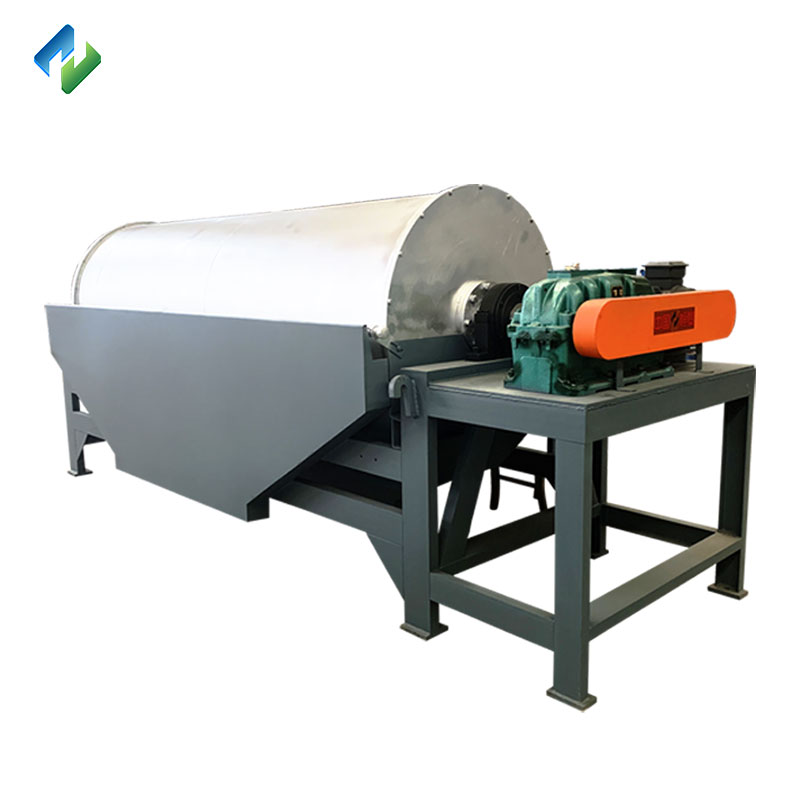
How a Wet Drum Magnetic Separator Recovers Magnetic Minerals
The operating principle is straightforward but highly dependent on process conditions.
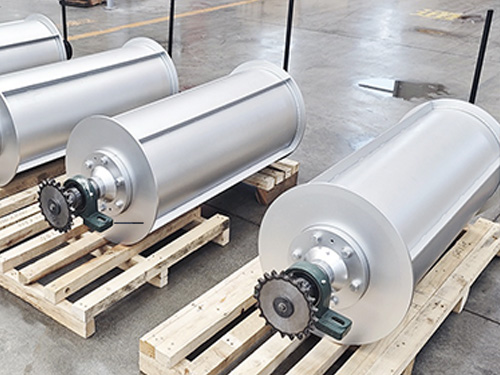
Mineral slurry enters the separation tank and passes through the magnetic field generated inside the rotating drum. Magnetic particles are attracted toward the drum surface, while non-magnetic particles are carried away with the slurry flow.
As the drum rotates, captured magnetic particles are carried out of the slurry. Once they move beyond the effective magnetic field, they are released and discharged as the magnetic product.
This continuous process allows a Wet Drum Magnetic Separator to treat slurry without requiring repeated manual separation. The equipment can therefore be integrated into high-throughput mineral processing lines.
The actual recovery result depends on several variables, including magnetic field strength, slurry flow rate, solids concentration, particle size, drum speed, mineral liberation, and magnetic loading. These factors must be considered when selecting a Wet Magnetic Separator for a specific application.
Wet Magnetic Separator for Tailings Recovery
Tailings recovery is one of the areas where wet magnetic separation can provide additional value.
After the primary beneficiation stage, tailings may still contain magnetic particles that are economically interesting. Instead of sending the entire stream directly to final disposal, operators can introduce a secondary recovery stage.
A Wet Magnetic Separator can be positioned as a scavenging unit to recover magnetic material from a relatively low-grade stream. The recovered concentrate can then be returned to an appropriate processing stage or handled as a separate product, depending on its grade and mineral composition.
This approach is particularly relevant when the original ore has a significant magnetic component but the primary circuit does not achieve complete recovery.
A Mineral Magnetic Separator can also be used after flotation or other concentration processes when the remaining slurry contains recoverable magnetic minerals. In some process designs, magnetic separation and flotation are combined rather than treated as competing technologies.
Recovering Value from Low-Grade Mineral Streams
The economics of tailings treatment are different from those of primary ore processing.
When processing fresh ore, the objective may be to maximize concentrate grade and recovery from a relatively high-value feed. With tailings, the feed grade is usually lower, so the equipment and process need to operate efficiently enough to justify the additional recovery stage.
A Wet Drum Magnetic Separator can be useful because it provides continuous separation and can be integrated into an existing slurry circuit without converting the material into a dry product first.
For mining companies, the potential value comes from several directions. Recovering magnetic minerals can increase overall resource utilization, reduce the amount of valuable material entering final tailings, and potentially create an additional concentrate stream.
The exact economic benefit depends on ore grade, mineralogy, throughput, recovery, concentrate value, water consumption, and operating costs. For this reason, a Mineral Magnetic Separator should be selected according to actual material characteristics rather than based only on nominal capacity.


Applications Beyond Conventional Iron Ore
Iron ore concentration is one of the most established applications for wet drum separation. Industrial systems are commonly used to upgrade magnetite-bearing feeds and recover magnetic iron minerals.
However, the application range is broader than primary iron ore concentration.
A Wet Drum Magnetic Separator may also be considered for:
-
Recovery of magnetic minerals from flotation tailings
-
Magnetite recovery from mineral processing circuits
-
Recovery of magnetic material from heavy-media systems
-
Concentration of magnetic mineral fractions
-
Scavenging of magnetic particles from low-grade slurry
-
Secondary recovery before final tailings disposal
-
Cleaning or upgrading of mineral concentrates
In heavy-media separation, wet drum systems are also used to recover magnetite or ferrosilicon from the medium, allowing the magnetic solids to be returned to the process. This recovery function can help control medium consumption and maintain the required process density.
Wet Drum Magnetic Separator for Continuous Mineral Processing
Tailings treatment is rarely a one-time laboratory operation. In a commercial plant, the separation equipment must work continuously with changing slurry conditions and high material throughput.
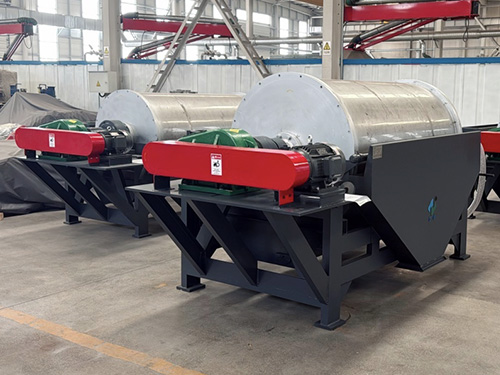
A Wet Drum Magnetic Separator is designed around continuous drum rotation and continuous slurry flow. Magnetic material is collected and discharged while non-magnetic material continues through the process.
This operating principle makes a Wet Magnetic Separator suitable for integration with grinding, classification, flotation, thickening, concentration, and tailings recovery circuits.
The design of the tank is also important. Counter-current, concurrent, and other tank arrangements can provide different hydraulic conditions and separation characteristics. Equipment selection should therefore consider not only magnetic strength but also feed direction, slurry flow, solids concentration, particle size, and the intended product stream.
Choosing a Mineral Magnetic Separator for Tailings Treatment
There is no single configuration suitable for every tailings stream.
Before selecting a Mineral Magnetic Separator, several process parameters should be evaluated.
First, determine the magnetic properties of the target mineral. Strongly magnetic minerals such as magnetite generally respond differently from weakly magnetic minerals.
Second, evaluate particle size and liberation. Fine particles can require different magnetic circuit and hydraulic conditions from coarse particles.
Third, consider slurry concentration and flow rate. Excessive flow can increase hydraulic drag and reduce particle capture, while unsuitable solids concentration can affect selectivity and concentrate quality.
Finally, define the actual process objective. A recovery stage, cleaning stage, concentration stage, and tailings scavenging stage may require different operating priorities.
For this reason, a Wet Drum Magnetic Separator should be selected based on the complete process rather than equipment capacity alone.
Improving Tailings Management Through Magnetic Separation
Modern mineral processing is increasingly focused on recovering more value from existing resources.
The objective is not necessarily to process more tons. In many cases, it is to recover a greater proportion of the valuable minerals already entering the plant.
A Wet Drum Magnetic Separator can contribute to this strategy by creating an additional recovery opportunity before magnetic minerals are permanently lost to final tailings.
When positioned correctly, a Wet Magnetic Separator can work as part of a broader recovery circuit, helping operators separate magnetic products from non-magnetic slurry and direct each stream toward the most appropriate downstream process.
This approach is particularly valuable when tailings contain sufficient magnetic mineral content to justify additional treatment.
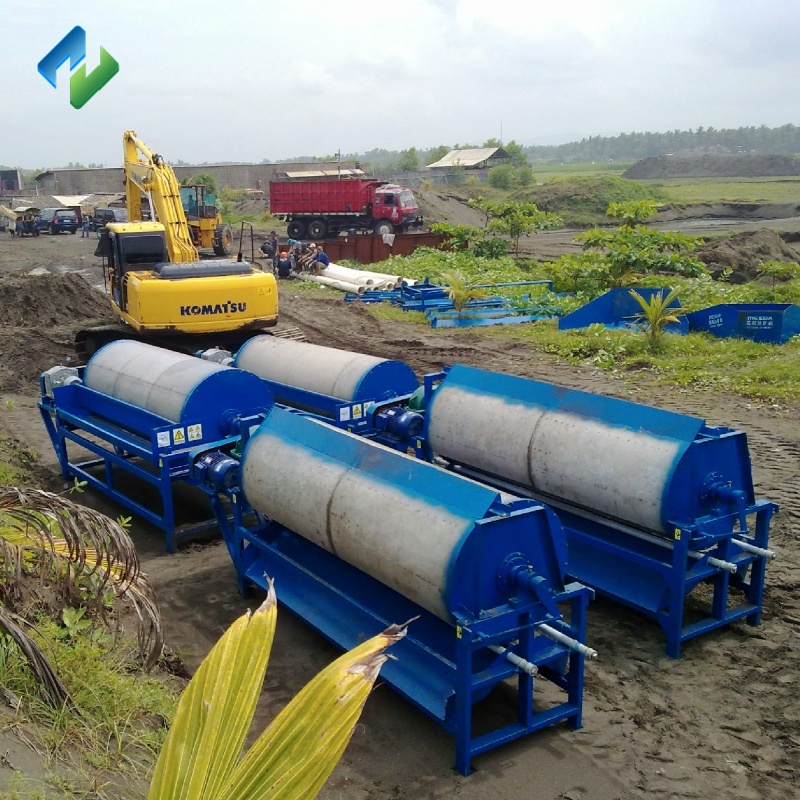


Hengci Wet Drum Magnetic Separator for Mineral Recovery
Hengci provides magnetic separation equipment for mining and mineral processing applications, including wet magnetic separation systems designed around different feed conditions and separation requirements.
For tailings recovery projects, the selection of a Mineral Magnetic Separator should begin with the material rather than a standard equipment model. Feed particle size, slurry concentration, target mineral, expected capacity, magnetic properties, and required recovery should all be considered during equipment configuration.
A properly configured Wet Drum Magnetic Separator can then be integrated into the existing process as a primary concentration, cleaning, scavenging, or tailings recovery stage.
For projects where mineral losses in tailings remain significant, wet magnetic separation can provide another route for recovering value before material reaches final disposal.
Conclusion
Tailings are not always the end of the mineral recovery process. When magnetic minerals remain in wet processing streams, an additional separation stage may provide an opportunity to recover material that would otherwise be lost.
A Wet Drum Magnetic Separator offers continuous slurry processing and magnetic recovery for applications ranging from iron ore concentration to tailings scavenging and heavy-media recovery. A properly selected Wet Magnetic Separator can also be integrated with existing beneficiation processes to create a more complete recovery circuit.
For mining operations focused on resource utilization, recovery efficiency, and long-term process value, a Mineral Magnetic Separator can be an important tool for turning magnetic mineral losses into another potential source of recovery.
Dry Magnetic Separator for Metal Ore Processing and Beneficiation
Related Article
Need Assistance? We're Here To Help!
Enter your information and our team will reach out to you shortly.