
Wet Drum Magnetic Separator for High-Volume Mining Operations
In mineral processing, magnetic separation is rarely just about removing unwanted iron. The bigger challenge is controlling what happens to valuable minerals, gangue, and magnetic impurities as the ore moves through the processing plant. A separation system that performs well in the laboratory may deliver very different results when exposed to high throughput, variable feed grades, fine particles, or continuous operation.
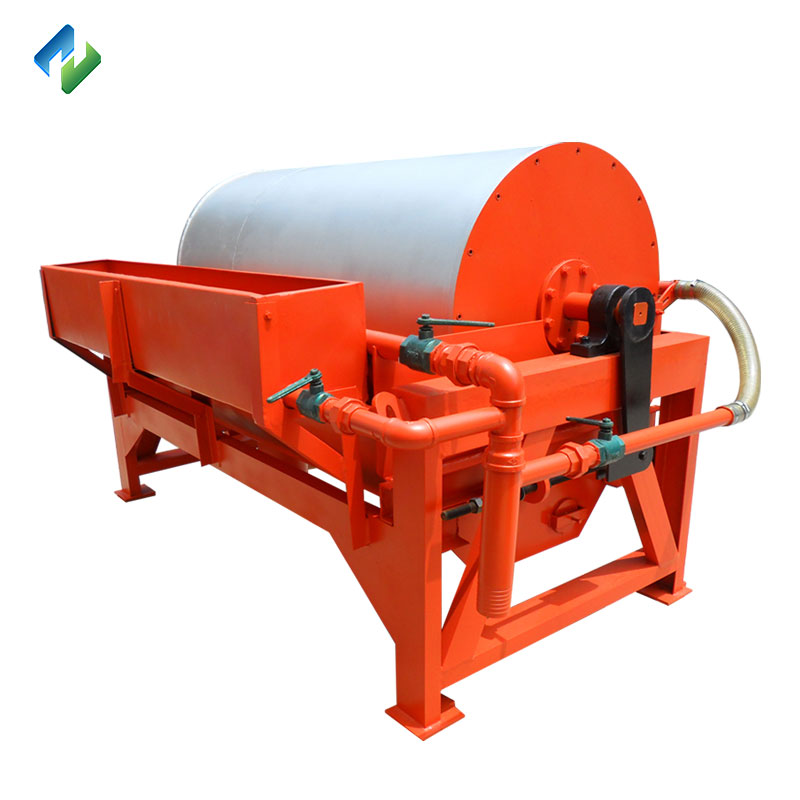
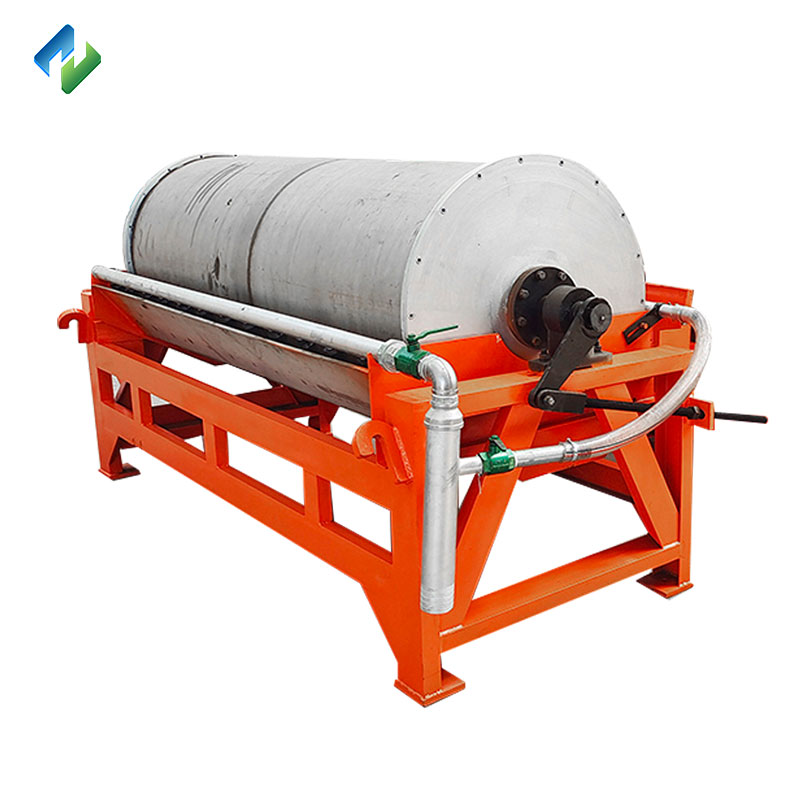
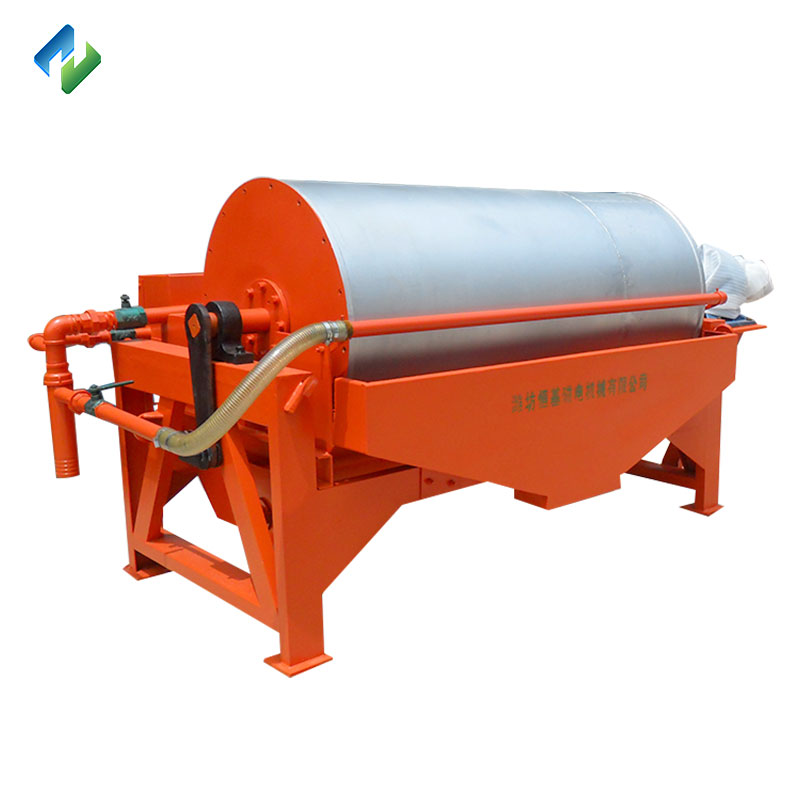
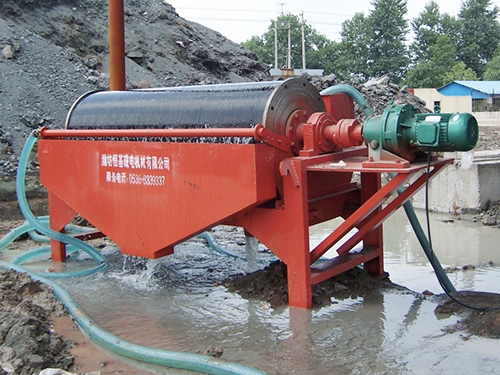
This is where a Wet Drum Magnetic Separator becomes valuable. By combining a rotating drum with a controlled magnetic field and a water-based separation process, it can continuously separate magnetic minerals from non-magnetic material while handling large volumes of slurry.
For mining operations, the objective is not simply to install a magnetic machine. It is to create a stable separation stage that fits the existing mineral processing flow, improves concentrate quality, reduces unwanted material, and operates reliably under demanding conditions.
Why Magnetic Separation Matters in Modern Mining
Mining operations often process ores containing a mixture of valuable minerals, gangue, iron-bearing minerals, and other unwanted components. After crushing and grinding, the material may become fine enough for conventional dry separation to become less effective or more difficult to control.
Wet processing provides an alternative when the ore is already present as slurry or when water is required for downstream beneficiation.
A Wet Drum Magnetic Separator can continuously capture magnetic particles while the slurry passes through the magnetic separation zone. Depending on the ore characteristics and magnetic field configuration, the equipment can be used for concentration, purification, or recovery.
This makes magnetic separation an important step in many mineral processing circuits where stable material flow and consistent separation are required.
How a Wet Drum Magnetic Separator Works
The working principle is relatively straightforward, but the actual separation performance depends on magnetic field strength, drum configuration, feed conditions, slurry density, particle size, and the magnetic properties of the minerals.
The slurry enters the separation area and flows around the rotating drum. Magnetic particles are attracted toward the drum surface and held within the magnetic field, while non-magnetic particles are carried away with the slurry.
As the drum rotates, the captured magnetic material is transported out of the main slurry flow. When the particles move beyond the effective magnetic zone, they can be released and collected as magnetic concentrate.
Because the process is continuous, a Wet Drum Magnetic Separator can be integrated directly into a mineral processing line rather than relying on intermittent manual separation.
From Ore Variability to More Stable Separation
One of the biggest challenges in mining is that feed material is rarely completely consistent.
Ore grade can change. Particle size can fluctuate. The proportion of magnetic minerals can vary between different extraction zones. Water content and slurry density may also change during operation.
A Magnetic Drum Separator provides a continuous separation mechanism that can help maintain a more predictable processing flow despite these variations.
The equipment can be selected and configured according to the material's magnetic susceptibility and required separation stage. For stronger magnetic minerals, a conventional magnetic field may be sufficient. More difficult materials may require higher field intensity or a multi-stage separation process.
The goal is to match the magnetic system with the actual characteristics of the ore rather than simply selecting equipment based on capacity.
Mineral Concentration Before Downstream Processing
Magnetic separation can be used as part of a concentration circuit to increase the proportion of valuable magnetic minerals before subsequent processing.
For example, ores containing magnetite or other strongly magnetic minerals can be processed through a Wet Drum Magnetic Separator to recover magnetic material from non-magnetic gangue.
Removing a significant amount of unwanted material at an earlier stage can reduce the load placed on downstream equipment. This can be particularly valuable in large-scale plants where every additional ton of unnecessary material increases transportation, pumping, grinding, and processing requirements.
A well-designed magnetic separation stage therefore has value beyond the separator itself. It can influence the efficiency of the entire processing circuit.
Processing Magnetite and Iron-Bearing Ores
Iron ore processing is one of the most established applications for wet drum magnetic separation.
After crushing and grinding, magnetite-containing slurry can be treated using a Wet Drum Magnetic Separator to recover magnetic iron-bearing minerals while rejecting a portion of the non-magnetic material.
The separation stage may be positioned at different points in the circuit depending on the ore characteristics and the required concentrate specification.


- Feed particle size and degree of mineral liberation
- Magnetic susceptibility of the target minerals
- Slurry concentration and flow rate
- Required recovery and concentrate grade
- Capacity of the existing processing line
- Rougher, cleaner, or scavenger separation requirements
- Available installation space and downstream equipment
This staged approach allows the separation system to become part of the overall process design rather than functioning as an isolated piece of equipment.
Reducing Unnecessary Processing Costs
Every ton of material that moves through a mineral processing plant consumes resources.
Grinding requires energy. Slurry transportation requires pumping. Additional processing stages require equipment capacity and maintenance.
By concentrating suitable magnetic minerals earlier in the circuit, a Magnetic Drum Separator can help reduce the amount of unwanted material carried into subsequent processing stages.
The economic benefit depends on the specific ore and process design, but the principle is simple: removing or recovering material at the right point can reduce the burden on later stages.
For large mining operations, even small improvements in separation efficiency can become significant when multiplied across thousands of tons of feed.
Wet Drum Magnetic Separator for Different Mining Applications
The application range of a Wet Drum Magnetic Separator extends beyond conventional magnetite processing.
Depending on magnetic properties and process requirements, wet magnetic separation can be considered for iron-bearing minerals, heavy mineral sands, manganese-containing materials, ilmenite-related processing, and other mineral beneficiation applications.
The most suitable configuration depends on the mineral composition and the separation objective.
For strongly magnetic materials, the focus may be high-capacity recovery. For weaker magnetic minerals, a higher-intensity magnetic system or additional processing stages may be necessary.
This is why mineral testing remains an important part of selecting a suitable Mineral Magnetic Separator.
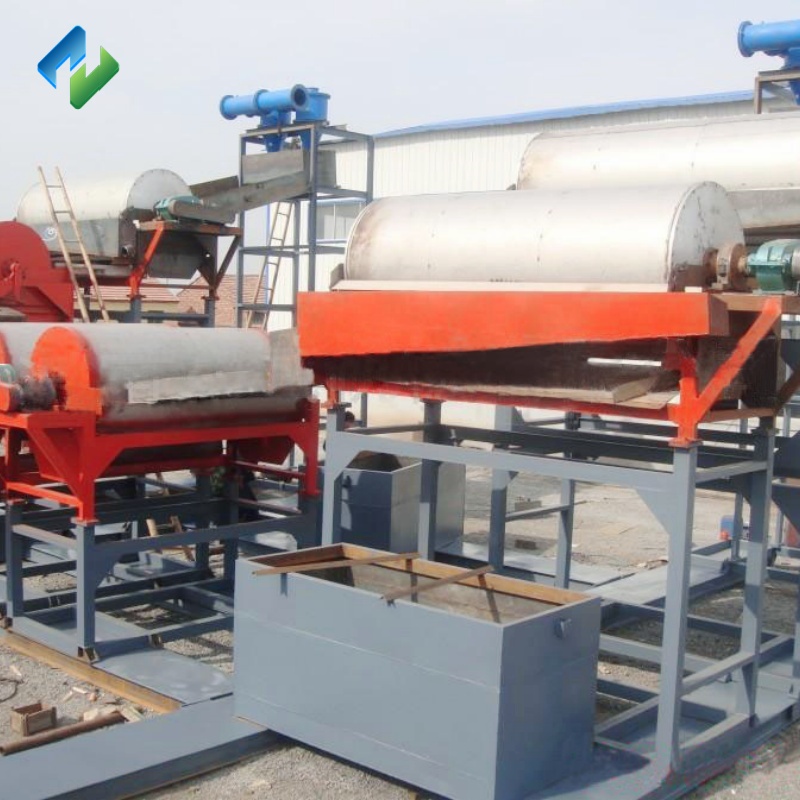


Hengci designs magnetic separation equipment for demanding mineral processing environments, with configurations selected according to material characteristics, capacity requirements, and separation objectives.
The Wet Drum Magnetic Separator can be incorporated into mineral processing systems for continuous slurry separation, magnetic mineral recovery, concentrate upgrading, and impurity removal.
Depending on the application, equipment configuration can be matched to feed size, slurry conditions, magnetic properties, and required processing capacity.
For mining companies, the priority is not simply purchasing a magnetic separator. It is developing a separation solution that can operate consistently as part of the complete beneficiation process.
Conclusion
A Wet Drum Magnetic Separator plays an important role in modern mineral processing because it combines continuous operation with efficient magnetic separation in a wet slurry environment.
From magnetite recovery and iron ore concentration to the beneficiation of other magnetic minerals, the equipment can help improve recovery, control concentrate quality, and reduce unnecessary material entering downstream processing stages.
The best results come from selecting the magnetic field, drum configuration, capacity, and separation stages according to the actual characteristics of the ore.
When magnetic separation is treated as part of the complete mining process rather than as a standalone machine, a Magnetic Drum Separator can contribute to a more stable, efficient, and economically controlled mineral processing operation.
How Magnetic Drums Protect Crushers in Aggregate Plants
Eddy Current Separator for Automotive Shredding and Scrap Metal Recycling
Related Article
Need Assistance? We're Here To Help!
Enter your information and our team will reach out to you shortly.