
Dry Magnetic Separator for Metal Ore Processing and Beneficiation
Metal ore processing begins long before a final concentrate reaches the next stage of production. Between extraction and beneficiation, large quantities of waste rock, gangue, low-grade material, and valuable minerals must be handled efficiently.
For many mines, the challenge is not simply recovering magnetic minerals. It is deciding how early in the process unwanted material can be removed and how much valuable mineral can be recovered before the ore enters more expensive processing stages.
A Dry Magnetic Separator provides a practical option for mineral processing lines where the feed can be handled in a dry, free-flowing condition. Instead of using water as the transport medium, dry ore is presented to a magnetic field, allowing magnetic and non-magnetic fractions to follow different discharge paths.
This approach is particularly relevant to iron ore and other metal-mineral applications where dry pre-concentration can reduce the amount of gangue entering downstream processing. Research and industrial reviews have identified dry magnetic separation as an established approach for mineral processing, especially where water availability or downstream processing requirements make dry treatment attractive.
The Real Challenge Is What Happens Before Grinding
Grinding is one of the most energy-intensive stages in many mineral processing plants. If a portion of the feed contains barren rock or material that can already be rejected, sending all of it into the grinding circuit adds unnecessary work.
This is where dry magnetic separation can become part of the process strategy.
A Magnetic Drum Separator can be installed after crushing and screening to separate strongly magnetic material from non-magnetic gangue before further beneficiation. In suitable ore bodies, this early separation can reduce the mass entering downstream circuits and help improve the utilization of crushing and grinding equipment.
For strongly magnetic ores, industrial dry drum systems have been developed specifically for early-stage beneficiation and gangue rejection. Some mining systems use high-speed dry drums to reject a substantial portion of non-magnetic gangue before milling, reducing downstream circuit loads.
The value is therefore not limited to the magnetic separator itself. The separation stage can influence the workload of the entire plant.
How a Dry Magnetic Separator Separates Metal Ore
The working principle of a Dry Magnetic Separator is based on differences in magnetic susceptibility between particles.
After crushing or screening, dry ore is evenly presented to the rotating drum. Magnetic particles are attracted toward the magnetic surface, while non-magnetic particles are influenced mainly by gravity, inertia, friction, and their natural trajectory.
As the drum rotates, the captured magnetic material follows the drum surface for part of its rotation. Non-magnetic particles fall away earlier, creating separate material streams.
A Dry Drum Magnetic Separator can therefore produce a magnetic fraction and a non-magnetic fraction without requiring slurry preparation or subsequent dewatering.
The actual separation result depends on the magnetic properties of the ore, particle size, moisture, feed distribution, drum speed, magnetic field configuration, and splitter position. Dry drum systems are commonly designed with adjustable operating parameters so the separation can be matched to the required grade and recovery balance.
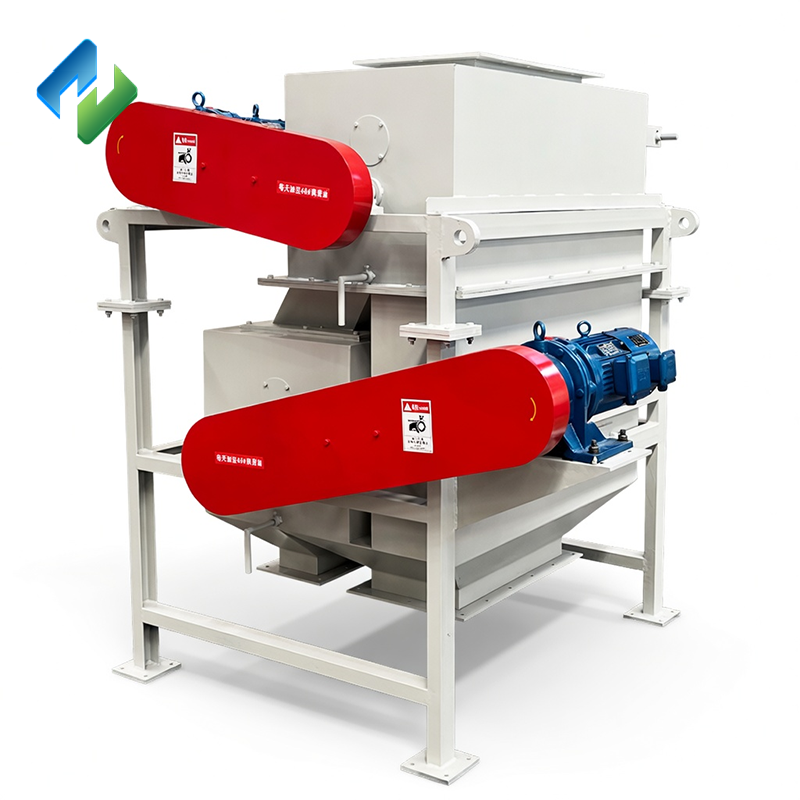
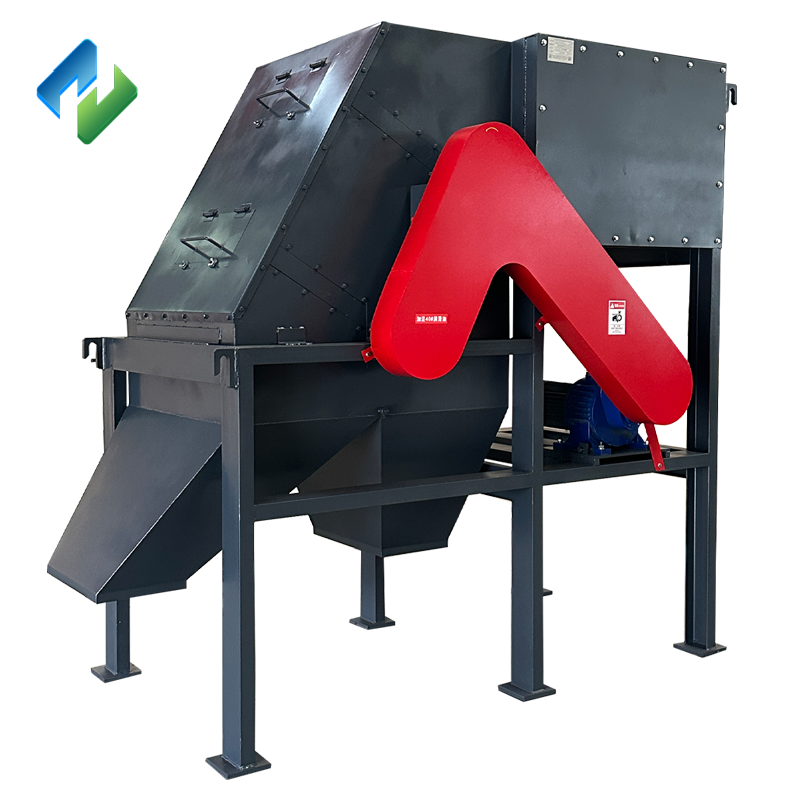
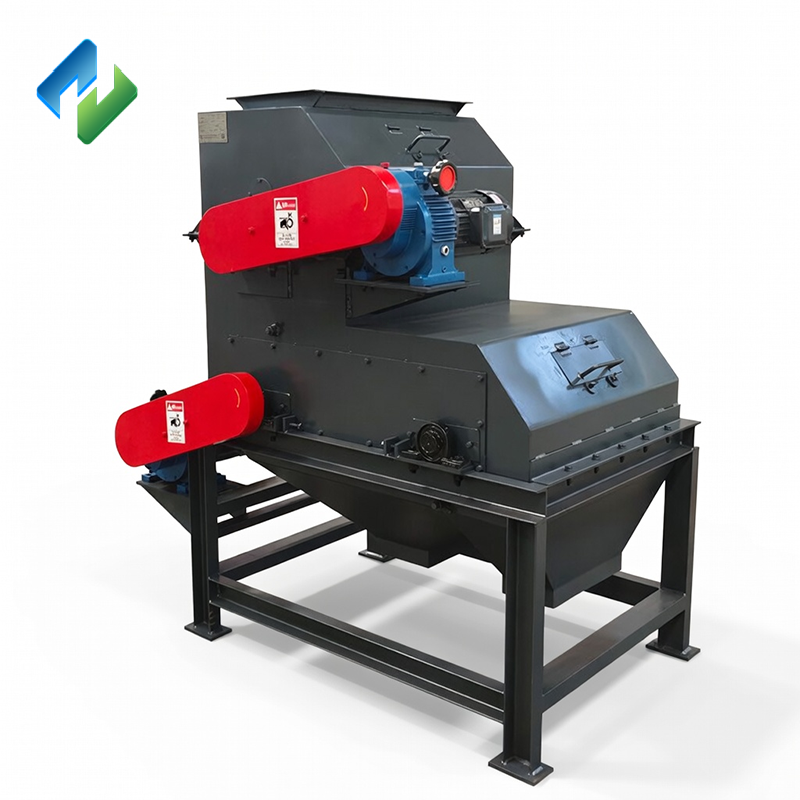
Dry Pre-Concentration in Iron Ore Processing
Iron ore is one of the most important applications for dry magnetic separation.
When the feed contains magnetite or other strongly magnetic iron-bearing minerals, a Dry Magnetic Separator can be used to recover magnetic material while rejecting part of the non-magnetic gangue.
This can be particularly useful after coarse crushing, where a portion of the barren material may already be sufficiently liberated for rejection.
Instead of grinding the entire feed to a finer size, the plant may remove suitable waste material earlier. This can reduce the amount of material requiring further size reduction and beneficiation.
A Magnetic Drum Separator can therefore function as a pre-concentration stage rather than only as a final cleaning machine.
The appropriate application depends on the ore characteristics. Strongly magnetic ores are generally more suitable for conventional dry drum separation, while weakly magnetic minerals may require higher-intensity equipment or another separation method.
Reducing Gangue Before the Grinding Circuit
The earlier unwanted material can be removed, the less unnecessary material needs to move through the rest of the plant.
For a suitable iron ore, a Dry Drum Magnetic Separator can reject non-magnetic gangue before the ore reaches intensive grinding and concentration stages.
This can have several process benefits. The quantity of material entering the grinding circuit can be reduced, downstream equipment can focus on a more mineralized feed, and the overall material flow can become more concentrated.
The exact economic result varies from one deposit to another, but the process principle is well established: early rejection of barren material can reduce the amount of material requiring intensive downstream treatment. Industrial dry magnetic separation systems have specifically been developed for this type of ferromagnetic ore pre-processing.
Magnetic Drum Separator for Magnetite and Strongly Magnetic Ores
A Magnetic Drum Separator is particularly suited to ores containing strongly magnetic minerals such as magnetite.
When the feed reaches the drum surface, magnetic particles are attracted and carried along with the rotating drum, while non-magnetic material follows a different trajectory.
This basic separation mechanism makes the equipment suitable for continuous dry concentration.
Depending on the ore and process objective, a drum may be used for rough separation, cleaning, scavenging, or pre-concentration. Multiple drums can also be arranged in a processing circuit when different separation stages are required.
Dry drum technology has been used for magnetite beneficiation and other ferromagnetic mineral applications, with drum speed, magnetic configuration, and discharge settings influencing the resulting separation.
Beyond Iron Ore: Other Metal Mineral Applications
The role of a Dry Magnetic Separator is not limited to conventional magnetite processing.
Depending on magnetic susceptibility, particle size, and the desired separation result, dry magnetic systems can also be considered for materials such as ilmenite, chromite, manganese-bearing ores, beach mineral sands, and other metal-containing mineral mixtures.
Some applications focus on recovering a valuable magnetic fraction. Others use magnetic separation to remove unwanted iron-bearing minerals from a non-magnetic product.
For example, dry drum systems are used in mineral applications involving iron ore, beach mineral sands, and other industrial materials. They can also be configured to remove magnetic impurities from materials such as quartz, feldspar, calcite, and chromite.
The important factor is not the name of the mineral alone. The separation system must be matched to the magnetic response of the target and unwanted fractions.
Why Dry Processing Can Matter in Water-Limited Mining Areas
Water availability is becoming an important consideration in mineral processing, particularly for mines located in arid or remote regions.
A Dry Magnetic Separator does not require process water to transport the material through the magnetic separation stage. This can simplify the flowsheet when the feed is already sufficiently dry and free-flowing.
Dry processing can also avoid the dewatering stage associated with slurry-based separation.
This does not mean dry separation should replace wet processing in every application. Very fine or damp materials can become difficult to separate because of particle agglomeration and poor flowability. However, when the feed conditions are suitable, dry separation can provide a useful alternative or pre-concentration stage.
For remote mining projects, this difference can become an important part of process design.
Particle Size Has a Direct Effect on Dry Separation
A Dry Drum Magnetic Separator performs best when the feed is properly prepared.
Particle size distribution affects how material moves across the magnetic field and how effectively magnetic and non-magnetic particles can separate. Excessive moisture can also cause particles to stick together, reducing separation efficiency.
For this reason, crushing and screening often play an important role before dry magnetic separation.
Some commercial dry drum systems are designed for relatively broad particle ranges, but the ideal operating range depends on the specific drum design and mineral characteristics.
Feed preparation should therefore be considered part of the magnetic separation process rather than a completely separate issue.
Dry Magnetic Separator for Tailings and Secondary Recovery
A mine may still contain valuable magnetic minerals after the main beneficiation stages.
Tailings, stockpiles, and previously rejected material can sometimes contain recoverable magnetic minerals, particularly when earlier processing was not optimized for recovery.
A Magnetic Drum Separator can be used in suitable dry secondary-recovery applications to examine whether additional magnetic material can be recovered.
This can be particularly relevant when ore grades change over time or when older stockpiles contain material that was previously considered uneconomic.
Dry magnetic separation technology is also being explored for recovering value from tailings and lower-grade resources, including iron ore and critical mineral applications.
The economic feasibility, however, should be established through material testing and process evaluation before equipment is selected.
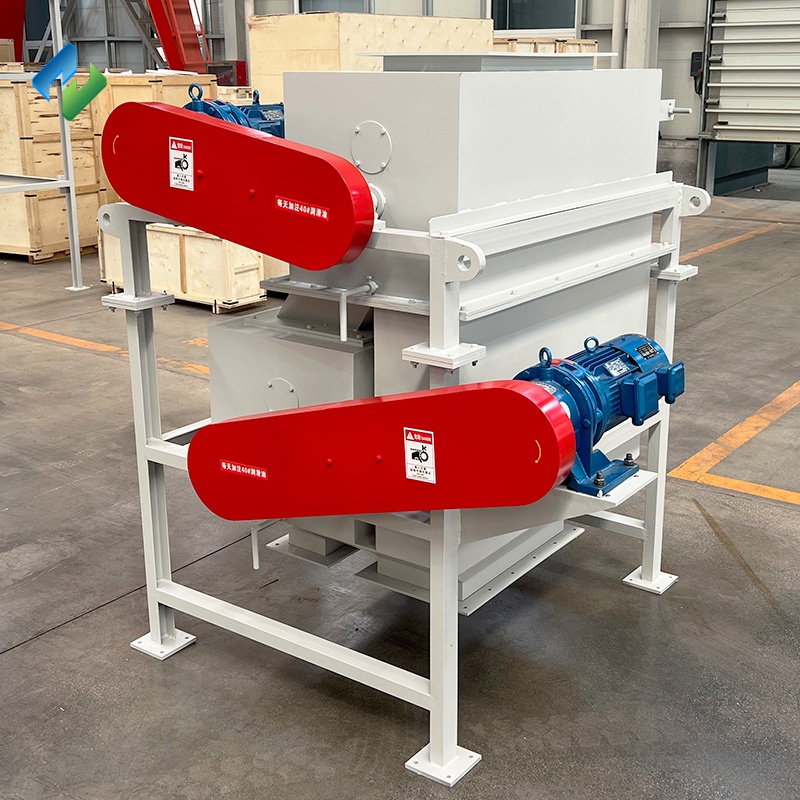
Choosing the Right Dry Drum Magnetic Separator
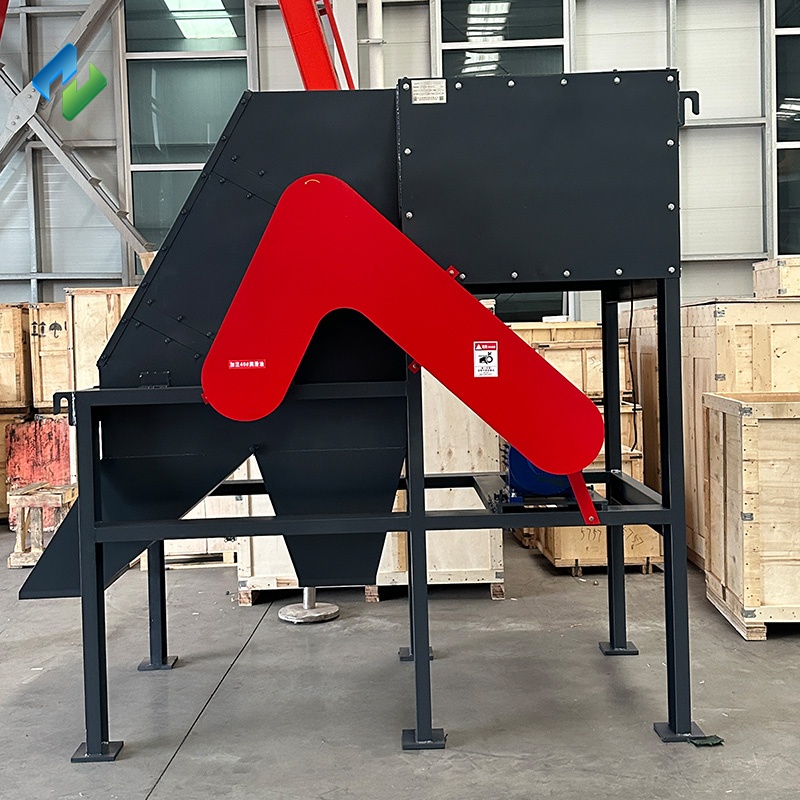
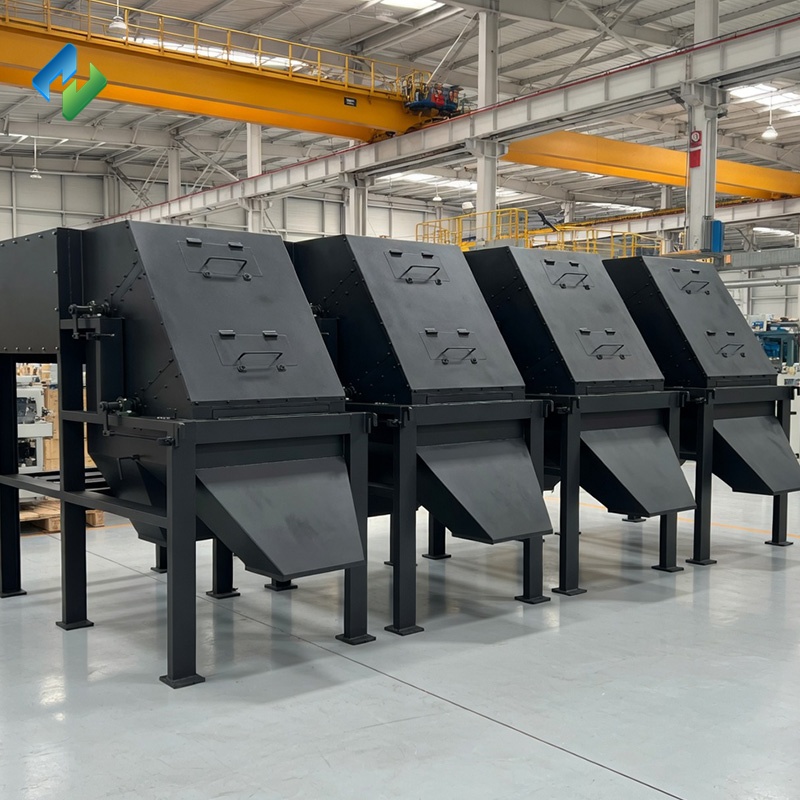
Selecting a Dry Drum Magnetic Separator requires more than checking the rated capacity.
Important factors include:
-
Ore type and mineral composition
-
Magnetic susceptibility of the target mineral
-
Particle size distribution
-
Feed moisture
-
Required processing capacity
-
Desired concentrate grade
-
Recovery target
-
Rougher, cleaner, or scavenger duty
-
Available installation space
Drum diameter, magnetic field configuration, drum speed, feed method, and splitter position can all influence the separation result.
For strongly magnetic minerals, a lower-intensity drum may be sufficient. For weaker magnetic materials, a higher-intensity configuration may be required.
Testing representative ore samples is therefore an important step before final equipment selection.
Building Dry Magnetic Separation into the Mining Process
A Dry Magnetic Separator should be considered as part of the complete mineral processing flowsheet.
A typical application may begin with crushing and screening, followed by dry magnetic pre-concentration. The magnetic fraction can then continue to downstream beneficiation, while rejected gangue is removed before additional processing.
In another configuration, magnetic separation may be used after a previous concentration stage to improve product quality or recover magnetic minerals from a secondary stream.
This flexibility allows the Magnetic Drum Separator to perform different roles depending on the mine's process objectives.
The best position is determined by the ore characteristics and by where magnetic separation can create the greatest process benefit.
Hengci Dry Magnetic Separator for Metal Ore Processing
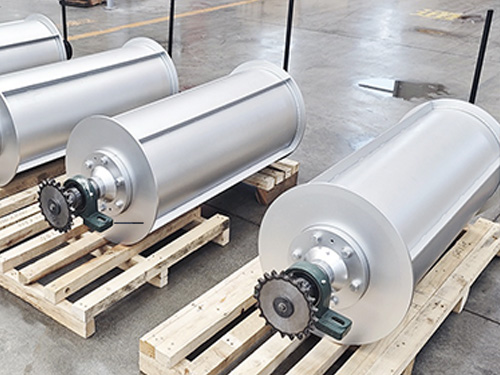
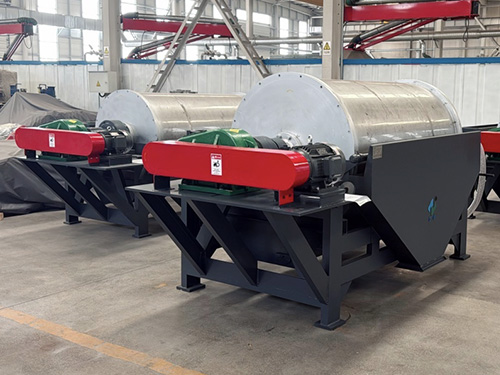
Hengci provides dry magnetic separation equipment for mining and mineral processing applications.
The Dry Magnetic Separator can be configured according to ore characteristics, particle size, capacity, magnetic properties, and the required separation stage.
For metal ore applications, the equipment can be incorporated into crushing, screening, pre-concentration, beneficiation, and secondary recovery circuits.
The Dry Drum Magnetic Separator is particularly suitable for dry, free-flowing materials where magnetic minerals need to be recovered or unwanted magnetic material needs to be separated from the non-magnetic product.
Equipment configuration should be determined through material characteristics and process requirements rather than relying on a standard machine configuration.
Conclusion
For metal mines, the value of dry magnetic separation lies in what it can change upstream of the most expensive processing stages.
A Dry Magnetic Separator can help recover magnetic minerals, reject suitable gangue, and prepare a more concentrated feed for downstream beneficiation. In suitable iron ore applications, this can reduce the amount of barren material entering grinding and other intensive processing stages.
A Magnetic Drum Separator provides continuous separation for dry mineral streams, while a Dry Drum Magnetic Separator can be configured for different ore types, particle sizes, and separation objectives.
The key is to match the equipment to the actual ore. Magnetic properties, moisture, particle size, liberation, capacity, and the required balance between recovery and concentrate grade all influence the final result.
When these factors are considered as part of the complete mining flowsheet, dry drum magnetic separation can become an effective tool for mineral recovery, pre-concentration, and more efficient use of downstream processing capacity.
How a Wet Drum Magnetic Separator Improves Mineral Recovery
Roller Magnetic Separator for Non-Metallic Mineral Processing
Related Article
Need Assistance? We're Here To Help!
Enter your information and our team will reach out to you shortly.