
Vertical Ring High Gradient Magnetic Separator for High-Purity Quartz
Photovoltaic glass places strict demands on the quality and consistency of its quartz sand. Iron-bearing minerals, fine inclusions, and contamination introduced during crushing or handling can affect the colour and light transmission of the finished glass. For processors, the challenge is not simply to remove visible metal, but to reduce fine magnetic and weakly magnetic impurities while preserving valuable quartz.
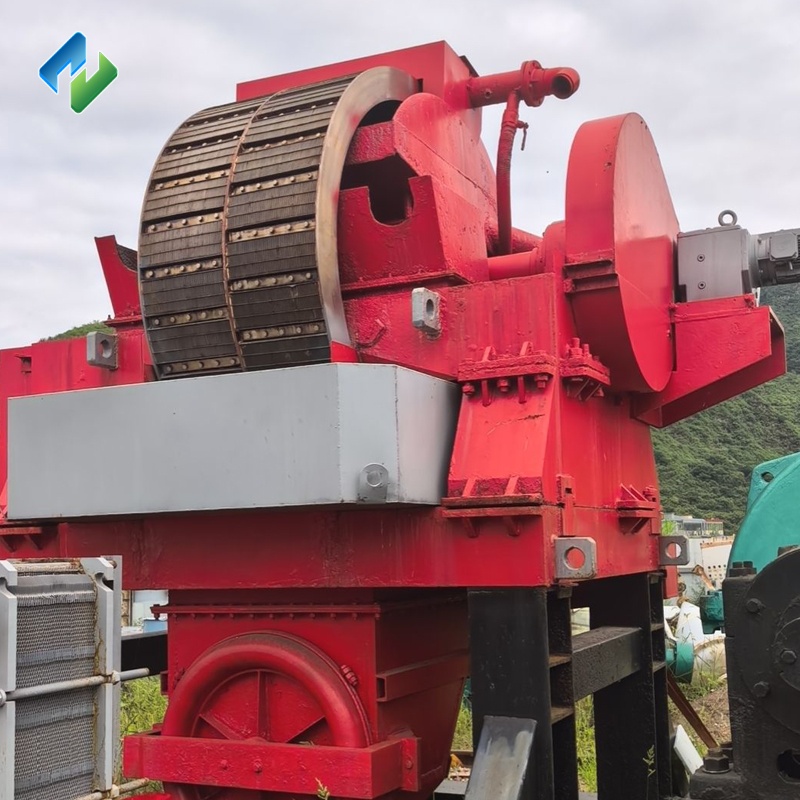
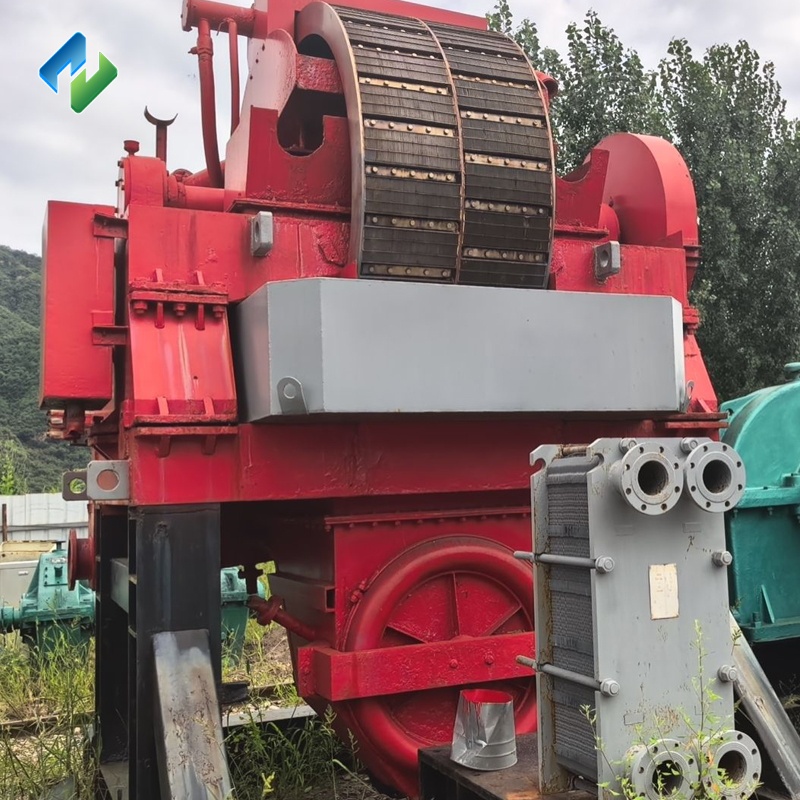
A Vertical Ring High Gradient Magnetic Separator can be considered when conventional magnetic stages no longer provide the required level of purification. Its high-gradient magnetic field and matrix are designed to capture suitable weakly magnetic particles from a prepared mineral slurry. In a photovoltaic quartz line, it may serve as a deeper purification stage after crushing, screening, scrubbing, and classification.
The right process depends on the mineral composition of the feed, so a Vertical Ring High Gradient Magnetic Separator should be assessed against the actual mineralogy. This Vertical Ring High Gradient Magnetic Separator requires material-specific validation. Its role should be clear before the plant finalizes the flowsheet. Magnetic separation can remove responsive iron-bearing particles, but it cannot eliminate every impurity locked inside quartz grains or every non-magnetic contaminant. Quartz Iron Removal planning should identify which impurities are magnetically responsive. Testing the actual material is therefore essential before setting a performance target for a Vertical Ring High Gradient Magnetic Separator.
The Challenge Beyond Conventional Iron Removal
Early separation stages commonly target strongly magnetic contaminants such as tramp iron and magnetite. A High Gradient Magnetic Separator is generally considered for the finer, weaker magnetic fraction. However, quartz sand may also contain weakly magnetic minerals, including certain iron oxides and iron-bearing silicates. These particles can be much harder to capture, particularly when they are fine or mixed closely with quartz. A High Gradient Magnetic Separator is worth testing when conventional stages leave these impurities behind.
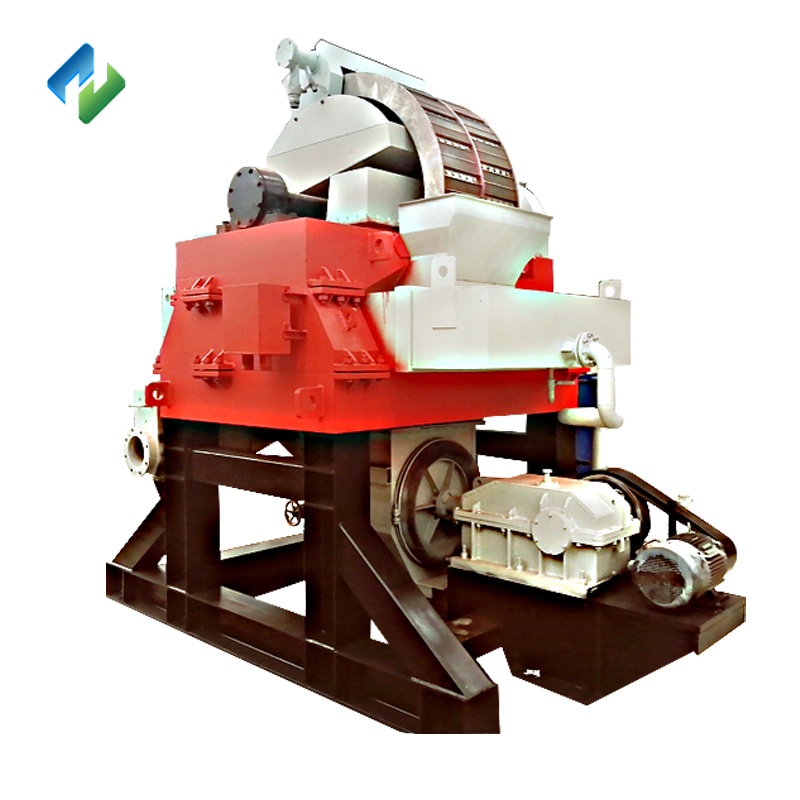
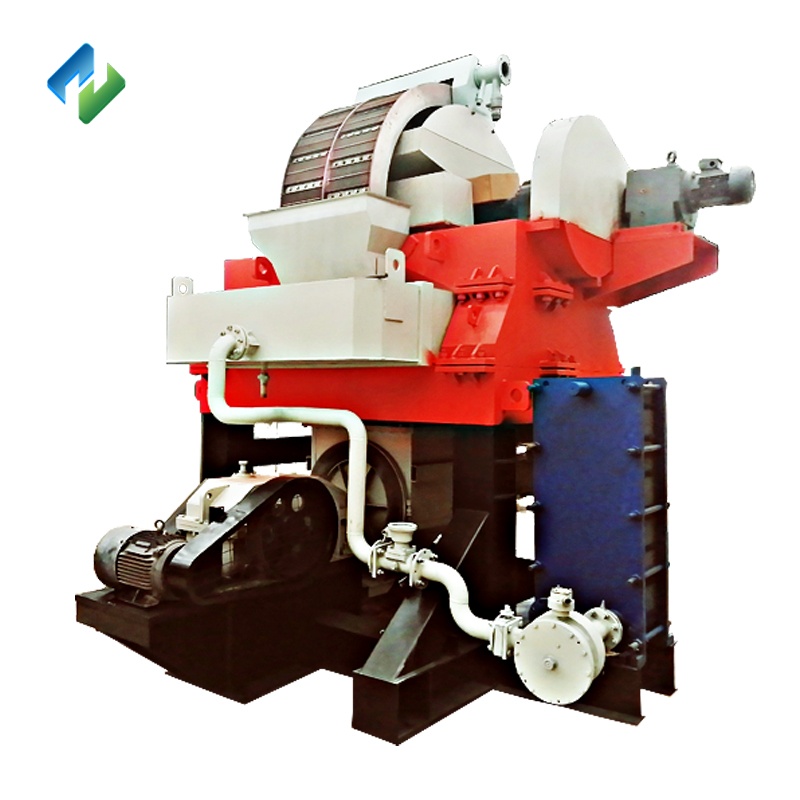
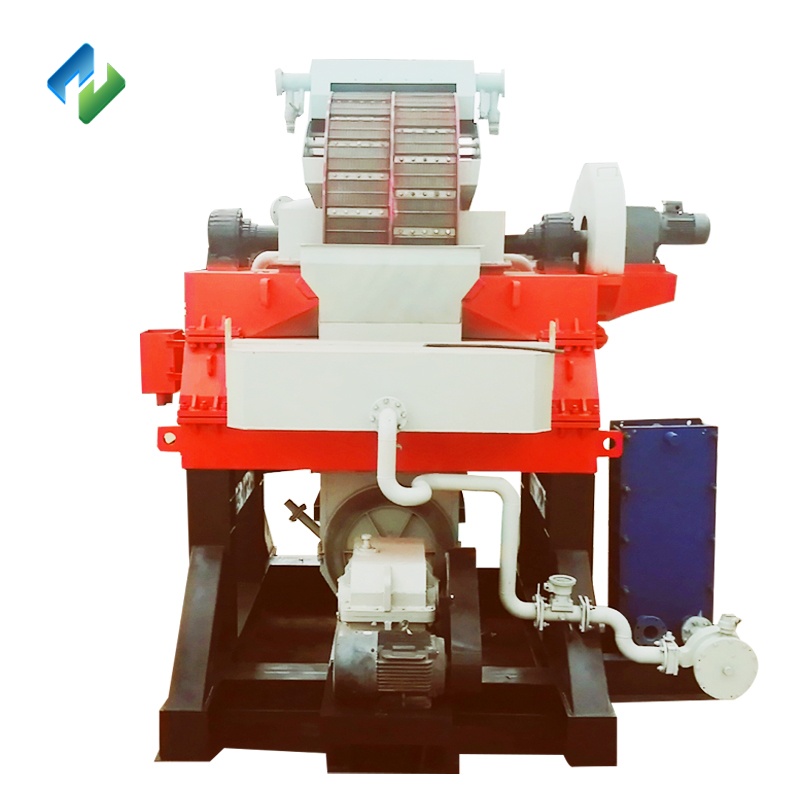
A High Gradient Magnetic Separator creates a strong magnetic field gradient around a specially designed matrix. When prepared slurry passes through the separation zone, suitable weakly magnetic particles are attracted to the matrix, while much of the quartz-rich fraction moves forward. Vertical-ring designs can combine continuous rotation with flushing and matrix cleaning to support ongoing operation and reduce the risk of material build-up.
For a photovoltaic raw-material producer, Quartz Iron Removal should be evaluated as part of the whole process rather than as a single-machine promise. A Vertical Ring High Gradient Magnetic Separator is one possible stage in that flowsheet. Feed size, slurry concentration, flow rate, matrix selection, and the magnetic response of the impurities all affect the outcome of Quartz Iron Removal.
Where a Vertical Ring Separator Fits in the Process
A practical quartz purification line may include crushing, screening, scrubbing, desliming, classification, magnetic separation, and dewatering. The exact order depends on the raw material and the impurities that need to be removed. Quartz Iron Removal should be placed where the slurry is properly prepared. This process design is central to Quartz Iron Removal.
Before a Vertical Ring High Gradient Magnetic Separator is installed, the plant should confirm that the feed is adequately liberated and dispersed, with excessive coarse particles and slimes controlled. A Vertical Ring High Gradient Magnetic Separator should not be used to compensate for poor upstream preparation. Its configuration should also match the expected slurry throughput.
The separator is generally used on a prepared slurry, allowing a Vertical Ring High Gradient Magnetic Separator to treat fine particles under controlled wet conditions. The Vertical Ring High Gradient Magnetic Separator also needs reliable flushing water. As the ring carries the matrix through the magnetic zone, weakly magnetic contaminants are captured. The matrix then moves to a cleaning zone, where flushing water helps release the captured material. This cycle allows the equipment to process material continuously, subject to the machine configuration and operating conditions.
A High Gradient Magnetic Separator may be used after a lower-intensity stage has removed stronger magnetic contaminants. A Vertical Ring High Gradient Magnetic Separator can then focus on suitable weakly magnetic particles. This staged approach can help reserve the high-gradient stage for the finer or weaker magnetic fraction. A Vertical Ring High Gradient Magnetic Separator should be positioned only after sample tests and process design confirm its role.
What Processors Should Measure
A photovoltaic quartz producer should not select equipment based only on the maximum magnetic field value. A High Gradient Magnetic Separator should be compared through representative feed and product testing. A meaningful evaluation compares representative feed and product samples and considers the quality targets of the downstream glass process, including the required Quartz Iron Removal level.
A Vertical Ring High Gradient Magnetic Separator should be assessed using a defined set of product and operating criteria. Key checks include:
-
Iron-related indicators, such as Fe₂O₃, measured using an appropriate laboratory method.
-
Quartz grade and the levels of other relevant impurities.
-
Feed particle-size distribution, slurry concentration, and flow stability.
-
Product yield and the amount of quartz lost with the magnetic fraction. A High Gradient Magnetic Separator should balance impurity capture with quartz recovery.
-
Matrix cleaning performance, water use, maintenance access, and operating continuity. A High Gradient Magnetic Separator should remain serviceable during routine production.
For Quartz Iron Removal, the goal is to reduce the target impurities while maintaining acceptable product recovery. Results should be interpreted alongside quartz yield. A Vertical Ring High Gradient Magnetic Separator must therefore be evaluated for both purity and yield. A very low iron result is not useful if it comes with excessive quartz loss or unstable throughput. Quartz Iron Removal tests should report recovery as well as impurity reduction. Likewise, a change in magnetic field strength alone does not establish the final sand quality.
Why Testing Matters for High-Purity Quartz
Quartz deposits vary considerably, so Quartz Iron Removal methods must reflect the mineralogy of each feed. A High Gradient Magnetic Separator can capture only impurities with a suitable magnetic response under the selected conditions. Some deposits contain discrete magnetic minerals that can be removed physically, while others contain iron locked within the quartz structure or in non-magnetic forms. Magnetic separation may therefore need to work alongside scrubbing, classification, flotation, or chemical treatment, depending on the required grade and the nature of the impurities.
A Vertical Ring High Gradient Magnetic Separator should be tested with representative samples across the expected range of feed conditions. A second Vertical Ring High Gradient Magnetic Separator stage should be considered only if test results support it. This helps verify whether the proposed matrix is suitable. The test should examine not only iron reduction but also yield, matrix cleaning, and the stability of operation. Quartz Iron Removal results should be documented for repeatability. A High Gradient Magnetic Separator should be assessed on the complete result. These results help determine whether one stage is sufficient or whether roughing and cleaning stages are needed, and where a Vertical Ring High Gradient Magnetic Separator fits best.
For a High Gradient Magnetic Separator, proper feed preparation and matrix selection are especially important. Cleaning access should be reviewed during equipment selection. If the slurry is poorly dispersed or contains unsuitable coarse particles, separation efficiency may fall and cleaning requirements may increase. Equipment selection should follow the test results rather than rely on a general claim about field strength or removal rate. The Vertical Ring High Gradient Magnetic Separator should be specified around those measured results.
Building a More Reliable Quartz Purification Line
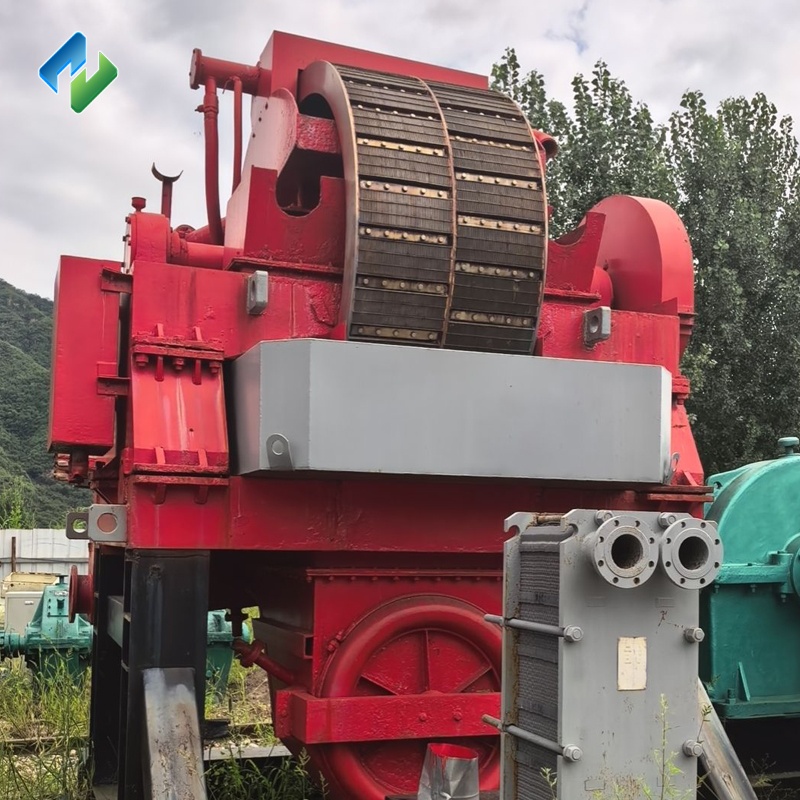
Photovoltaic glass producers need quartz sand that meets their own chemical and process specifications. A Vertical Ring High Gradient Magnetic Separator can contribute to this goal by targeting suitable weakly magnetic impurities in a prepared slurry, especially when conventional magnetic stages are not enough. The Vertical Ring High Gradient Magnetic Separator must still be integrated with the site's wider quality controls.
Hengci can assess quartz applications based on feed characteristics, required capacity, slurry conditions, and the intended position in the purification line. A High Gradient Magnetic Separator should be recommended only after reviewing those conditions. This review helps establish whether a Vertical Ring High Gradient Magnetic Separator is appropriate. For Quartz Iron Removal, the recommended configuration should be supported by sample testing and a clear understanding of product-quality targets.
The most reliable solution is not necessarily the machine with the highest stated field strength. Quartz Iron Removal performance must be verified against the customer's specification. A High Gradient Magnetic Separator should be judged by verified test results. A Vertical Ring High Gradient Magnetic Separator should be judged by repeatable process results. It is the process that achieves the required impurity control, maintains useful quartz recovery, and can operate consistently within the plant's water, maintenance, and production constraints.
Wet Magnetic Separator for Ceramic Slurry Purification and Iron Removal
Related Article


Need Assistance? We're Here To Help!
Enter your information and our team will reach out to you shortly.