
Improving Kaolin Whiteness with Wet Flat Plate Magnetic Separation
author: hengci
2026-10-10
Kaolin is widely used in ceramics, paper, coatings, and other industrial products where whiteness and material consistency are important. However, raw kaolin can contain iron-bearing minerals and fine impurities that affect brightness, firing color, and the quality of the finished product. When washing and classification alone cannot achieve the required purity, magnetic separation may provide an additional purification step.
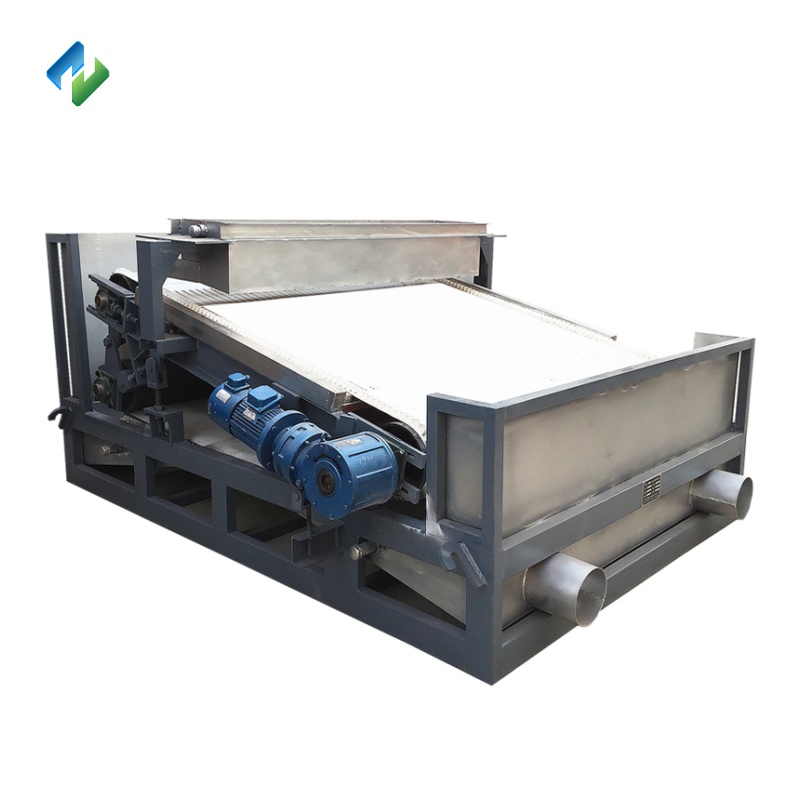
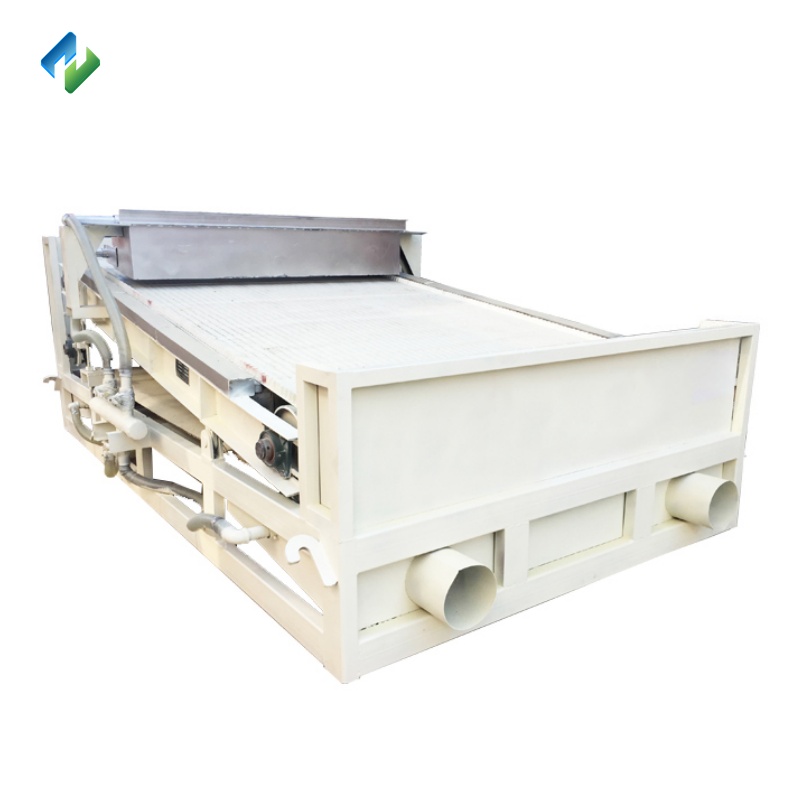
A Wet Flat Plate Magnetic Separator is designed for wet-processing applications where magnetic or weakly magnetic impurities need to be removed from a prepared slurry. By exposing the flowing material to a suitable magnetic field, the separation process can capture susceptible particles while allowing the kaolin-rich fraction to continue through the production line.
For kaolin processors, the objective is not simply to install stronger equipment. It is to find a separation solution that balances iron removal, product yield, throughput, and operating stability.
Why Iron Impurities Matter in Kaolin Processing
Iron-bearing minerals may occur as individual fine particles, surface coatings, or inclusions associated with other minerals. Their effect varies with the deposit and the final application. In some grades of kaolin, even relatively small changes in iron content can influence whiteness or firing performance.
A Wet Flat Plate Magnetic Separator can help remove susceptible iron-bearing particles after the clay has been properly dispersed and prepared. This is particularly relevant when fine impurities remain in the slurry after conventional washing or classification.
However, not every iron compound responds equally to magnetic separation. Mineral composition, particle size, degree of liberation, and slurry conditions all influence the result. Before selecting Iron Removal Equipment, producers should understand which impurities are present and determine whether they can be effectively captured by the proposed magnetic system.
Material testing is therefore an important first step. It helps establish whether magnetic separation can meet the required product specification without sacrificing too much usable kaolin.
How Wet Flat Plate Magnetic Separation Works
In a typical wet process, prepared kaolin slurry passes through a magnetic separation zone. A Wet Flat Plate Magnetic Separator creates a magnetic field that attracts susceptible particles toward the designated collection area while the treated slurry continues through the system.
High-gradient designs can use a suitable magnetic matrix or specially configured separation structure to generate strong local magnetic forces. This makes a High Intensity Magnetic Separator worth considering when the feed contains fine, weakly magnetic impurities that are difficult to capture with conventional low-intensity equipment.
Actual performance depends on more than the nominal field strength. Slurry concentration, flow rate, particle dispersion, magnetic-field distribution, and cleaning cycles all influence separation efficiency. If the slurry moves too quickly through the separation zone, some particles may not have enough time to be captured. Poor dispersion can also allow clay aggregates to carry unwanted material into the finished product.
A well-designed Wet Flat Plate Magnetic Separator should therefore be matched to the properties of the feed rather than operated according to a universal setting. The appropriate combination of magnetic conditions and slurry flow should be established through representative material testing.
Where Magnetic Separation Fits into a Kaolin Plant
The best installation point depends on the existing beneficiation process. A typical wet-processing route may include raw-clay dispersion, washing, classification, magnetic separation, dewatering, and drying. The exact sequence varies according to the deposit and the product requirements.
Installing a Wet Flat Plate Magnetic Separator after suitable feed preparation can help ensure that the slurry entering the magnetic zone is reasonably uniform. Removing unnecessary coarse particles and improving dispersion may create more favorable conditions for capturing fine iron-bearing impurities.
A High Intensity Magnetic Separator may also form part of a multi-stage purification process. For example, one stage may remove more strongly magnetic contaminants, while a subsequent stage targets weaker magnetic impurities. Whether multiple stages are necessary depends on test results, required product quality, and production economics.
The separation system must also integrate with slurry pumps, pipelines, water circulation, and downstream dewatering equipment. A practical Iron Removal Equipment installation should provide enough access for inspection and cleaning while maintaining stable material flow through the plant.
Factors That Determine Iron Removal Performance
Choosing a Wet Flat Plate Magnetic Separator requires an assessment of the actual raw material and operating conditions.
Raw-material mineralogy: The types of iron-bearing minerals present determine how they respond to magnetic separation. Representative samples should be analyzed before the equipment configuration is finalized.
Particle size and liberation: Fine impurities may be difficult to capture when they remain attached to clay aggregates or locked within other minerals. Appropriate dispersion and classification can improve the conditions for separation.
Slurry concentration and flow rate: Excessive solids concentration or unstable flow can affect particle movement through the magnetic zone. Operating conditions must balance processing capacity with the required purification level.
Magnetic structure and cleaning: The separation structure and cleaning cycle influence how captured particles accumulate and are removed. Regular cleaning helps maintain stable operating conditions.
Product quality and yield: Iron reduction is only one performance indicator. Brightness, firing behavior, throughput, and the amount of saleable kaolin retained in the non-magnetic product should also be evaluated.
For these reasons, a High Intensity Magnetic Separator should be assessed using representative feed samples and realistic operating conditions. Laboratory or pilot testing can help determine whether the proposed Iron Removal Equipment will meet the plant's production targets.
Common Mistakes When Selecting Magnetic Separation Equipment
One common mistake is choosing a High Intensity Magnetic Separator based only on its maximum magnetic field strength. A stronger field may improve the capture of certain susceptible particles, but it cannot solve every impurity problem. If iron is chemically bound or enclosed within other minerals, additional processing steps may be necessary.
Another mistake is increasing slurry flow without checking the effect on separation quality. Higher throughput may appear attractive, but excessive flow can reduce the time available for fine particles to interact with the magnetic separation zone. The operating point should be established through testing rather than estimated from capacity alone.
Maintenance is equally important. Captured impurities must be removed at appropriate intervals, and the pumps, pipelines, water system, and slurry preparation equipment must operate reliably. A Wet Flat Plate Magnetic Separator that is difficult to clean or poorly integrated with the plant may create unnecessary interruptions.
A properly selected Iron Removal Equipment system should deliver a practical balance between purification performance, production capacity, maintenance requirements, and operating cost.
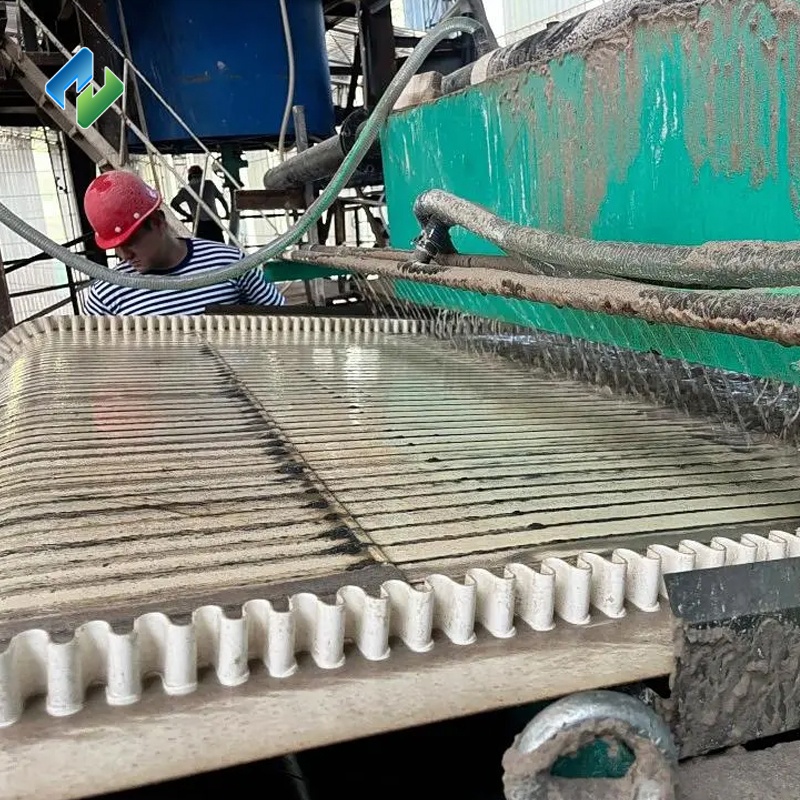
Preparing for Installation in a Kaolin Processing Plant
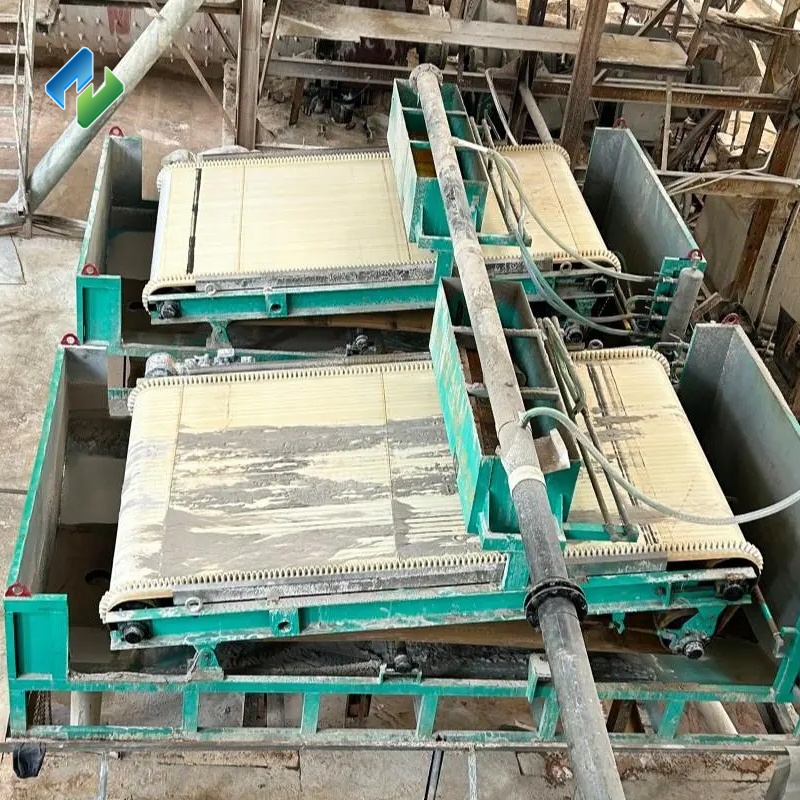
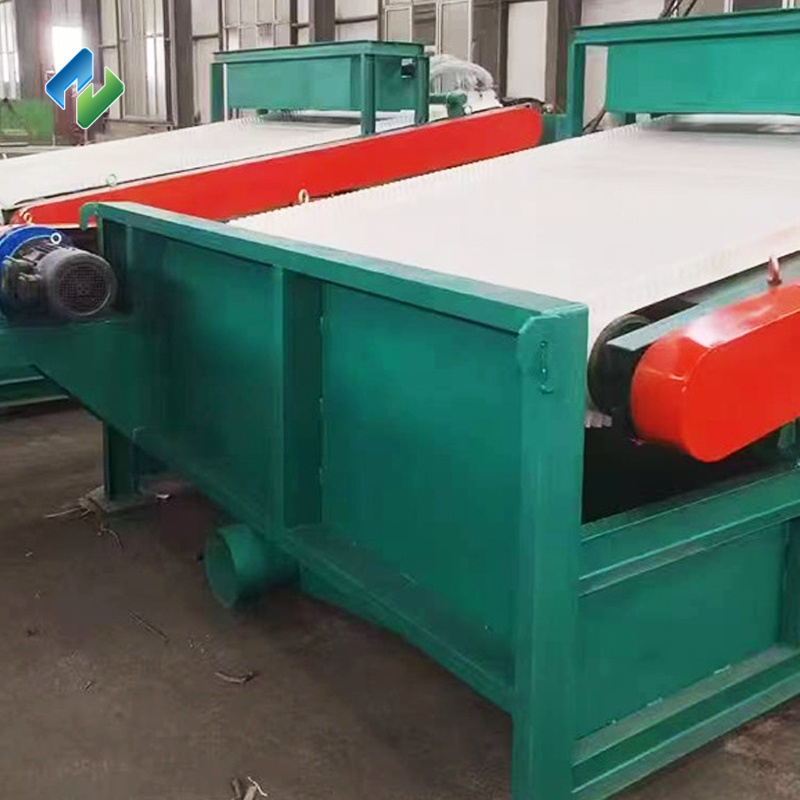
Before installing a Wet Flat Plate Magnetic Separator, producers should collect representative feed samples and document the existing process. Useful information includes particle-size distribution, slurry solids content, initial iron content, target product quality, expected throughput, and available installation space.
It is also important to identify the type of feed being processed. Soft washed clay, hard kaolin, and other clay materials can behave differently, so a process that works well for one deposit may not produce the same result elsewhere.
When evaluating a High Intensity Magnetic Separator, establish acceptance criteria before conducting trials. These may include iron reduction, product brightness, throughput, cleaning frequency, and product yield. Comparing equipment under consistent conditions makes the results more useful for final selection.
The selected Iron Removal Equipment should also suit the site's water availability, slurry temperature, corrosion conditions, and maintenance access. These details help translate promising test results into reliable production performance.
Hengci Magnetic Separation Solutions for Kaolin
Hengci manufactures magnetic separation equipment for mineral processing and industrial purification applications. For kaolin projects, equipment selection should begin with the characteristics of the raw material and the required finished-product quality.
A suitable Wet Flat Plate Magnetic Separator can be evaluated according to feed properties, separation capacity, slurry conditions, and the layout of the existing production line. Where fine, weakly magnetic impurities are a concern, a High Intensity Magnetic Separator may provide an appropriate solution, subject to material testing.
Hengci can review project requirements and help customers identify a suitable equipment configuration. The final choice of Iron Removal Equipment should be supported by representative samples, clear performance targets, and a practical assessment of operating conditions.
Conclusion
Kaolin purification depends on understanding the impurities in the raw material and selecting the right combination of preparation and separation processes. A Wet Flat Plate Magnetic Separator can help remove susceptible iron-bearing particles from prepared slurry, supporting more consistent product quality when iron impurities affect whiteness or processing performance.
Before installation, producers should evaluate mineralogy, particle size, slurry flow, cleaning requirements, and product specifications. With suitable testing and process integration, a High Intensity Magnetic Separator and well-matched Iron Removal Equipment can contribute to a more reliable kaolin purification process.
How a Wet Drum Magnetic Separator Improves Mineral Recovery
Related Article
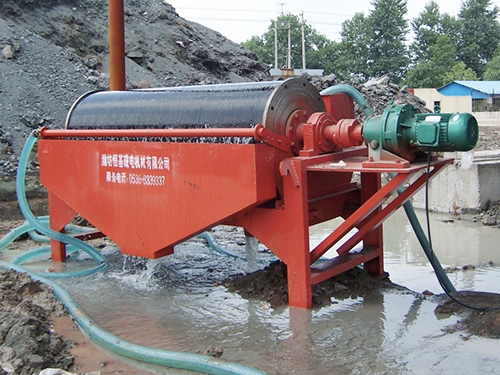
Wet Drum Magnetic Separator recovers magnetic materials from slurry and helps reduce magnetic mineral losses in tailings. Suitable for iron ore processing and mineral recovery plants.
How a Wet Drum Magnetic Separator Improves Mineral Recovery
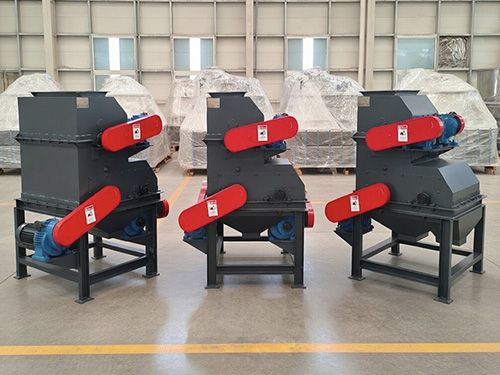
Dry Magnetic Drum Separator removes ferrous contaminants and recovers magnetic materials from dry bulk products. Designed for mining, sand, gravel, aggregates, recycling and material handling.
Dry Magnetic Separator for Metal Ore Processing and Beneficiation
Need Assistance? We're Here To Help!
Enter your information and our team will reach out to you shortly.