
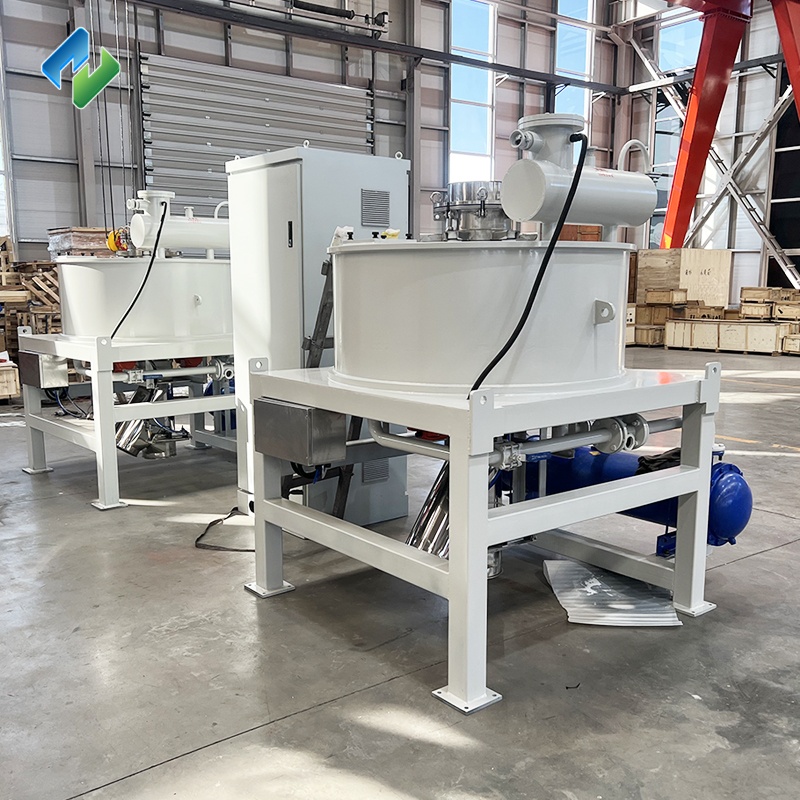
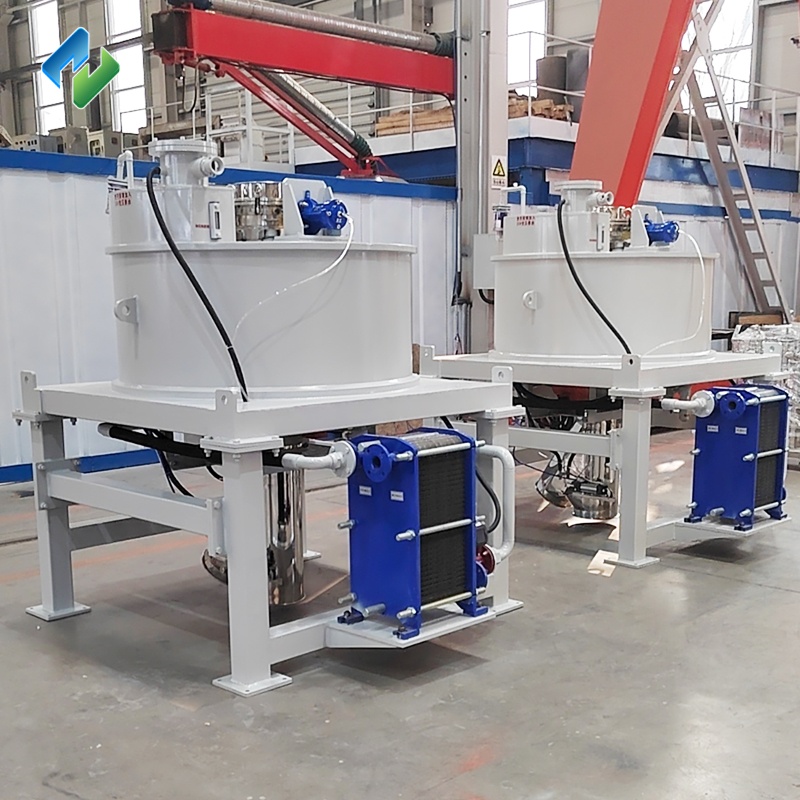
High Intensity Dry Magnetic Separator, Battery Material Magnetic Separator, Dry Powder Magnetic Separator
When Tiny Iron Contaminants Become a Major Production Concern
In lithium battery manufacturing, powder quality is influenced by more than chemical composition and particle size. Magnetic contaminants introduced during raw material handling, milling, conveying, or storage can become an additional quality-control concern. Even when contamination is not visible during routine inspection, it may still affect the purity requirements of the finished material.
For manufacturers processing lithium iron phosphate (LFP), ternary cathode materials, graphite, lithium carbonate, and other battery-related powders, controlling these contaminants requires a carefully planned separation process.
A High Intensity Dry Magnetic Separator provides a way to capture suitable magnetic and weakly magnetic impurities from dry, free-flowing material without adding process water. Rather than relying on a single cleaning point, manufacturers can integrate magnetic separation into the production line wherever contamination risks are identified.
The goal is to maintain consistent powder quality while keeping material handling efficient. A properly selected Battery Material Magnetic Separator can support this objective by targeting magnetic contaminants before the powder moves to the next processing or packaging stage.
Where Does Iron Contamination Enter Battery Material Production?
Magnetic impurities can enter a battery material process at several points. Incoming raw materials may already contain unwanted metallic particles, while grinding, mixing, conveying, and other mechanical operations can introduce additional contaminants through wear or corrosion.
Equipment condition is therefore an important part of contamination control. Worn components, damaged contact surfaces, and poorly maintained material-handling systems can introduce particles that are difficult to identify through visual inspection alone.
A High Intensity Dry Magnetic Separator can be incorporated after selected processing stages to remove susceptible contaminants generated or carried forward during production. For example, a separator installed after powder milling may help capture magnetic particles introduced during size reduction, while another separation point may provide additional protection before final storage or packaging.
The best installation point depends on the process layout and contamination source. A Battery Material Magnetic Separator should be selected as part of a broader quality-control strategy rather than treated as a replacement for equipment maintenance, incoming-material inspection, or other contamination-prevention measures.
Why Dry High-Intensity Separation Matters for Battery Powders
Battery materials often require controlled handling because moisture exposure, cross-contamination, and changes in powder characteristics can complicate downstream processing. Introducing a wet separation stage may require additional slurry handling, filtration, and drying, depending on the material and production route.
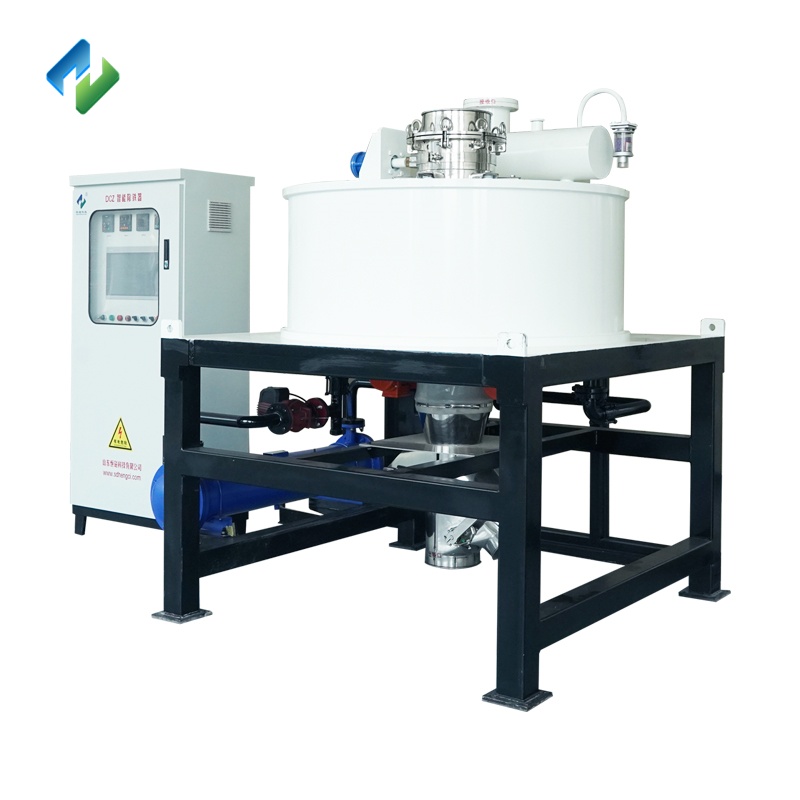
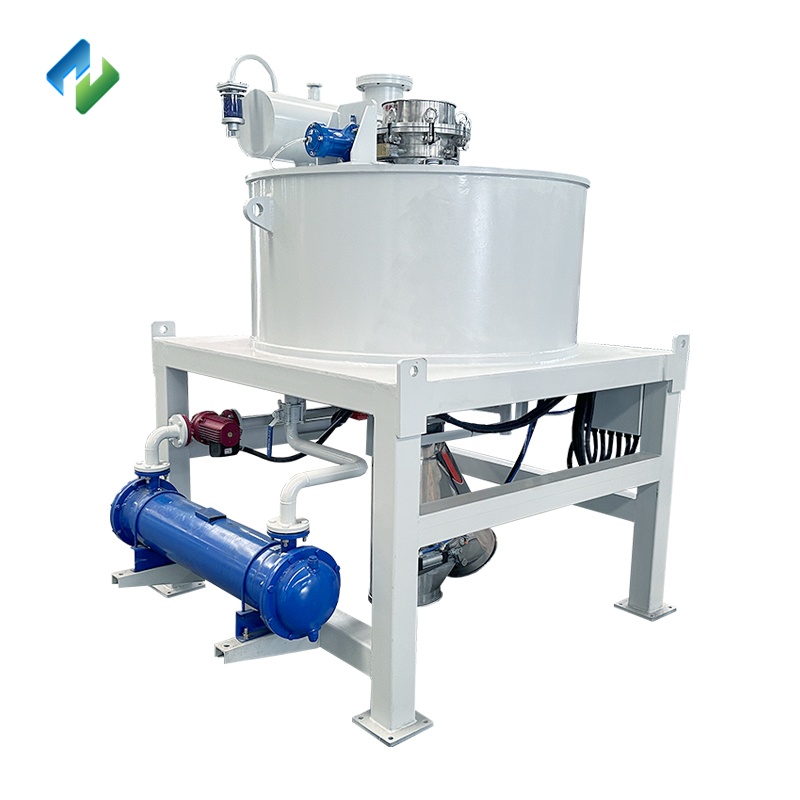
A High Intensity Dry Magnetic Separator allows suitable dry powders to pass through a magnetic separation zone without adding water. This can make it easier to integrate magnetic purification into an existing dry processing line.
Inside the equipment, a magnetic field and an appropriately designed separation structure create conditions for capturing susceptible particles. The target contaminants are retained or diverted, while the treated powder continues toward the product outlet. Automatic cleaning or discharge mechanisms can then remove the collected impurities according to the equipment design.
A Dry Powder Magnetic Separator is particularly relevant when the production process already handles fine powders and the manufacturer wants to avoid unnecessary changes to the material's moisture condition.
However, high magnetic field strength alone does not guarantee the required result. Particle size, magnetic susceptibility, feed distribution, flow behavior, and the design of the separation matrix all affect the probability of capturing a contaminant. Representative material testing is essential when product specifications are demanding.
Applications Across Cathode and Anode Material Production
Different battery materials have different physical properties, so magnetic separation should be evaluated for the actual feed rather than assumed to work identically across every powder.
For cathode materials such as lithium iron phosphate and ternary compounds, manufacturers may use a High Intensity Dry Magnetic Separator to help remove susceptible magnetic impurities at an appropriate stage of the production process.
Graphite and other anode materials may also require magnetic contamination control, particularly when powder passes through milling, classification, and conveying equipment. A Battery Material Magnetic Separator can be considered where testing identifies magnetic particles that need to be removed from the feed.
Other dry materials, including lithium carbonate and selected battery precursor powders, may also be suitable for magnetic purification, depending on their properties and processing requirements.
The equipment should match the material's flow characteristics, temperature, moisture condition, and required processing capacity. For fine or cohesive powders, feeding and dispersion deserve particular attention because agglomeration and uneven material distribution can reduce separation consistency.
Automatic Operation and Consistent Powder Quality
Manual cleaning can interrupt production when magnetic contaminants accumulate in the separation zone. In applications with regular contamination or long operating hours, automatic separation and discharge functions can help reduce operator intervention.
A High Intensity Dry Magnetic Separator with an appropriate automatic control system can coordinate feeding, magnetic excitation, separation, and cleaning cycles according to its design. This allows the process to follow a repeatable operating sequence and makes routine operation easier to standardize.
For manufacturers, the benefit is not simply less manual work. Consistent operating conditions make it easier to monitor product quality, identify changes in feed characteristics, and maintain a predictable production routine.
A Dry Powder Magnetic Separator should also be designed with practical maintenance access, suitable dust protection, and materials compatible with the application. Components exposed to abrasive powder may require wear-resistant surfaces to reduce the risk of equipment wear becoming another source of contamination.
Automation does not remove the need for inspection. Operators should still monitor alarms, feeding stability, discharge performance, and the condition of components that contact or guide the powder.
How to Select the Right Battery Material Magnetic Separator
Choosing a Battery Material Magnetic Separator starts with understanding the target contaminants and the requirements of the powder being processed.
Contaminant characteristics: The size, shape, concentration, and magnetic response of the particles influence separation performance. Strongly magnetic metal fragments may behave differently from fine, weakly magnetic particles.
Powder flow properties: Fine powders can be cohesive and difficult to distribute evenly. The feeding system and separation structure should suit the material's flow behavior.
Required purity: The manufacturer should establish measurable acceptance criteria before selecting equipment. These may include magnetic impurity levels, product yield, throughput, and the consistency of test results.
Automatic cleaning: The cleaning cycle must remove captured contaminants without causing unnecessary material loss or excessive downtime. The suitable arrangement depends on the equipment design and the nature of the impurities.
Contact materials and maintenance: Surfaces exposed to the product should be suitable for the intended application, and maintenance procedures should minimize the risk of secondary contamination.
A High Intensity Dry Magnetic Separator should be evaluated under realistic production conditions rather than selected solely by its advertised magnetic field strength. Material trials can help establish whether the equipment is suitable for the target powder and whether additional separation stages are needed.
Integrating Dry Powder Magnetic Separation into the Production Line
Magnetic separation is most effective when its position reflects the actual contamination risks in the process. A Dry Powder Magnetic Separator may be installed after milling, following classification, or before final packaging, depending on where magnetic impurities are most likely to enter the material.
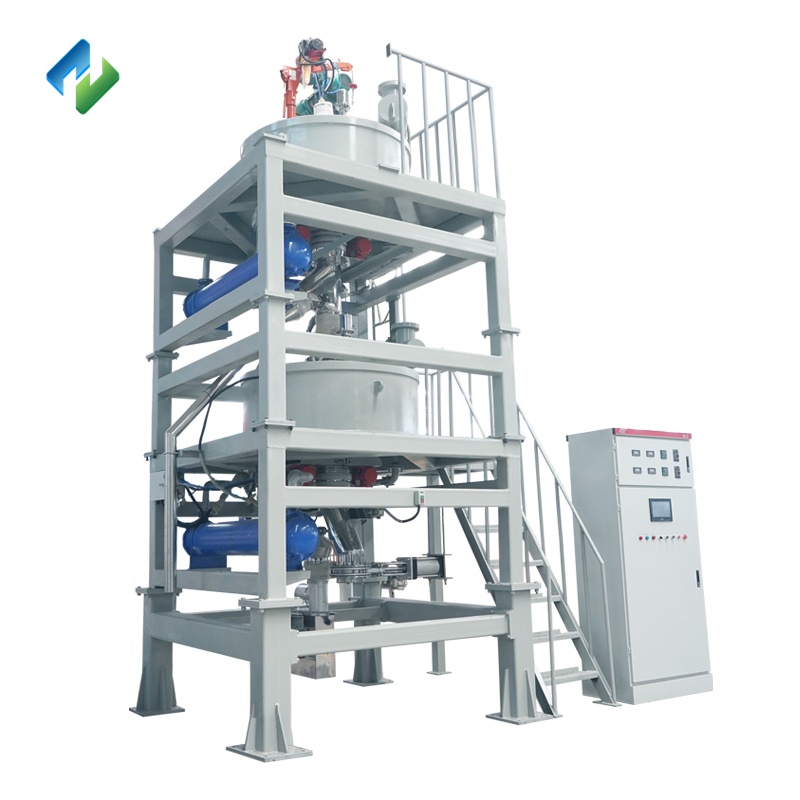
Some production lines may benefit from more than one separation stage. An upstream unit can remove larger ferrous contaminants, while a downstream unit may provide additional control over finer magnetic particles. The exact arrangement should be determined through process assessment and material testing.
A Battery Material Magnetic Separator also needs to work smoothly with the feeding, conveying, dust collection, and control systems around it. Poorly coordinated equipment can cause unstable feed rates or interruptions that undermine separation performance.
For high-purity applications, manufacturers should establish a sampling plan and compare material before and after separation. Routine monitoring can help identify changes in raw materials, equipment wear, or operating conditions before they develop into persistent quality problems.
Hengci Solutions for Battery Material Magnetic Separation
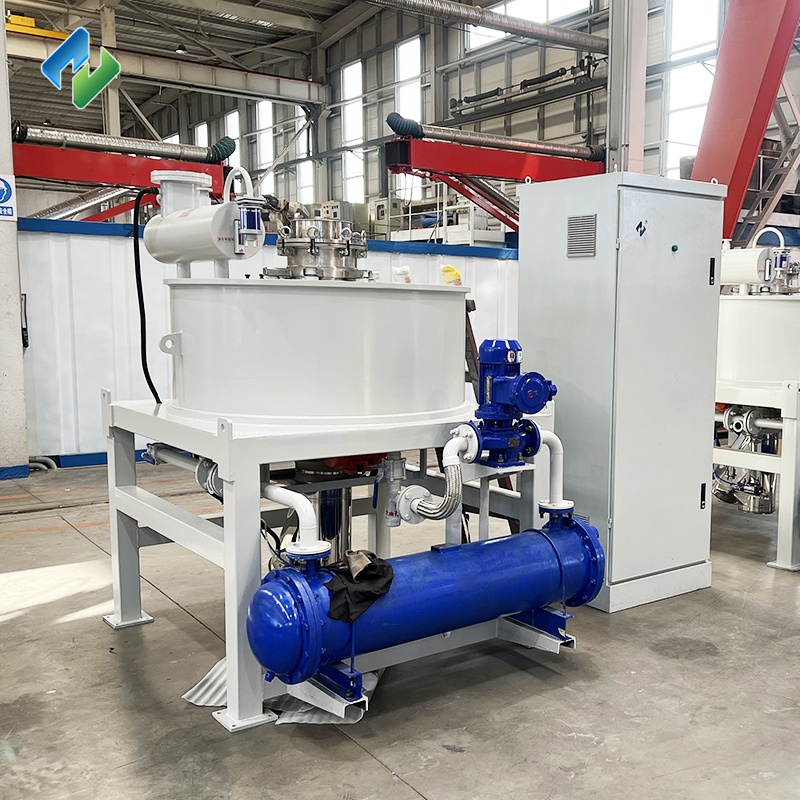
Hengci manufactures magnetic separation equipment for industrial powder purification and iron-removal applications. For battery material processing, equipment selection should reflect the material type, contamination source, powder characteristics, required throughput, and product-quality targets.
A High Intensity Dry Magnetic Separator may be appropriate for dry battery powders containing magnetic or weakly magnetic impurities that can be captured under the selected operating conditions. Where automatic feeding and cleaning are important, the equipment configuration should also be reviewed against the production line's operating schedule.
Hengci can assess project requirements and help customers identify a suitable Dry Powder Magnetic Separator configuration. Representative sample testing and clearly defined performance criteria are recommended before finalizing the equipment selection.
The objective is to build a practical magnetic separation process that supports powder purity, stable production, and manageable maintenance requirements.
Conclusion
Battery powder purification requires attention to both incoming raw materials and contamination introduced during processing. A High Intensity Dry Magnetic Separator can help remove suitable magnetic impurities without adding water, making it a useful option for compatible dry production lines.
By choosing the right Battery Material Magnetic Separator, placing it at an appropriate point in the process, and maintaining consistent operating conditions, manufacturers can strengthen their magnetic contamination controls.
For each application, a properly selected Dry Powder Magnetic Separator should be validated against actual material characteristics and product specifications. Testing, equipment maintenance, and ongoing quality monitoring remain essential to achieving reliable results.
Wet Magnetic Separator for Ceramic Slurry Purification and Iron Removal
Improving Kaolin Whiteness with Wet Flat Plate Magnetic Separation
Related Article


Need Assistance? We're Here To Help!
Enter your information and our team will reach out to you shortly.