
Wet Magnetic Separator for Ceramic Slurry Purification and Iron Removal
Small Impurities Can Create Expensive Ceramic Defects
A ceramic tile may look perfect before firing, yet tiny iron-bearing particles in the body or glaze can become visible as dark specks, colour variation, or surface defects after firing. For manufacturers, these defects can mean extra inspection, rework, or rejected products. The challenge is that contamination may come from natural raw materials as well as grinding, mixing, pumping, and transfer equipment.
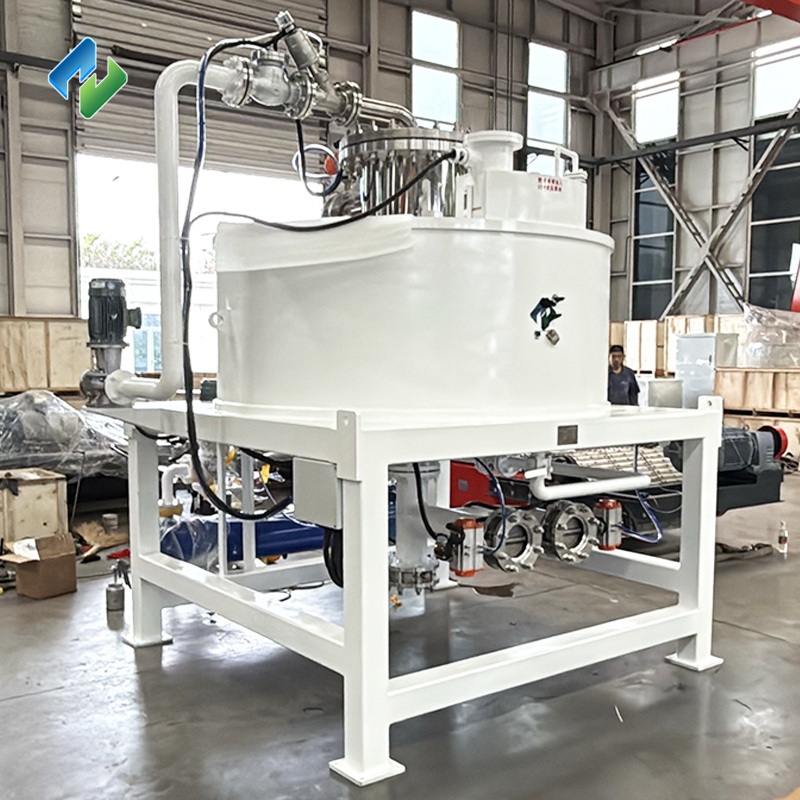
A Wet Magnetic Separator can be installed in a prepared slurry line to capture suitable magnetic particles before the material reaches later production stages. For plants working with feldspar, quartz, kaolin, clay, and ceramic glaze, the aim is not simply to add another machine. It is to make slurry quality more consistent without disrupting the production schedule.
Where the Contamination Enters the Process
Ceramic bodies and glazes often combine several minerals, and their iron content can vary by source and batch. Grinding may also release fine iron particles from worn equipment. If these contaminants pass through the process, they may remain in the slurry until firing makes the defect visible.
A Ceramic Magnetic Separator is worth evaluating when a plant has recurring black specks or needs tighter control over the colour of fired products. The best installation point depends on the process layout. Some plants treat prepared glaze slurry; others place separation after milling and screening, before storage or the next production stage.
A Wet Magnetic Separator is designed for material carried in liquid, so the feed should be prepared to flow consistently through the separation zone. Oversize particles and grit may need to be screened out first. Proper dispersion also helps reduce clumps that can shield magnetic particles from the separation matrix.
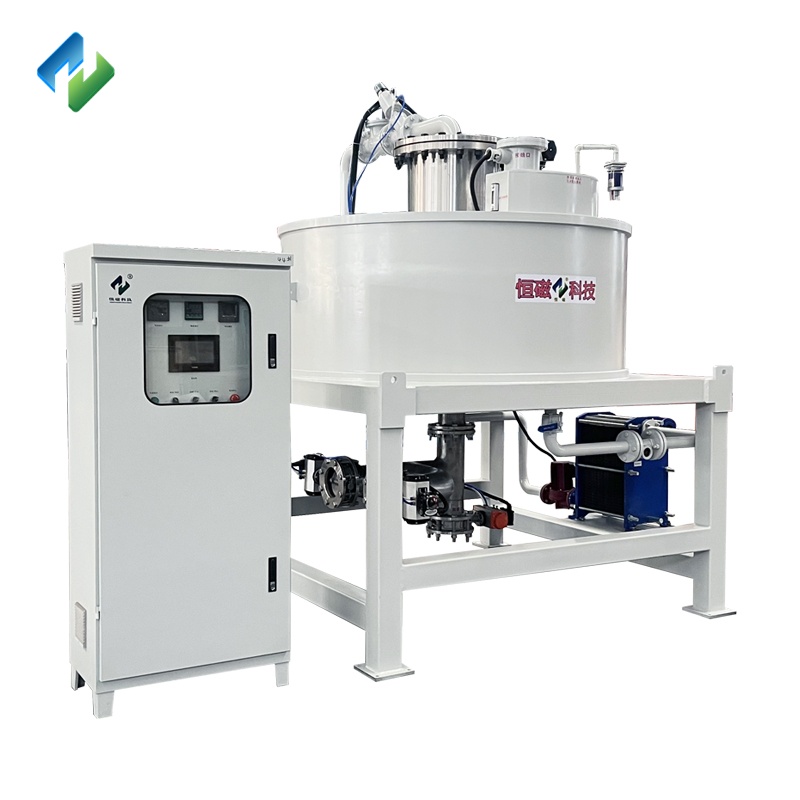
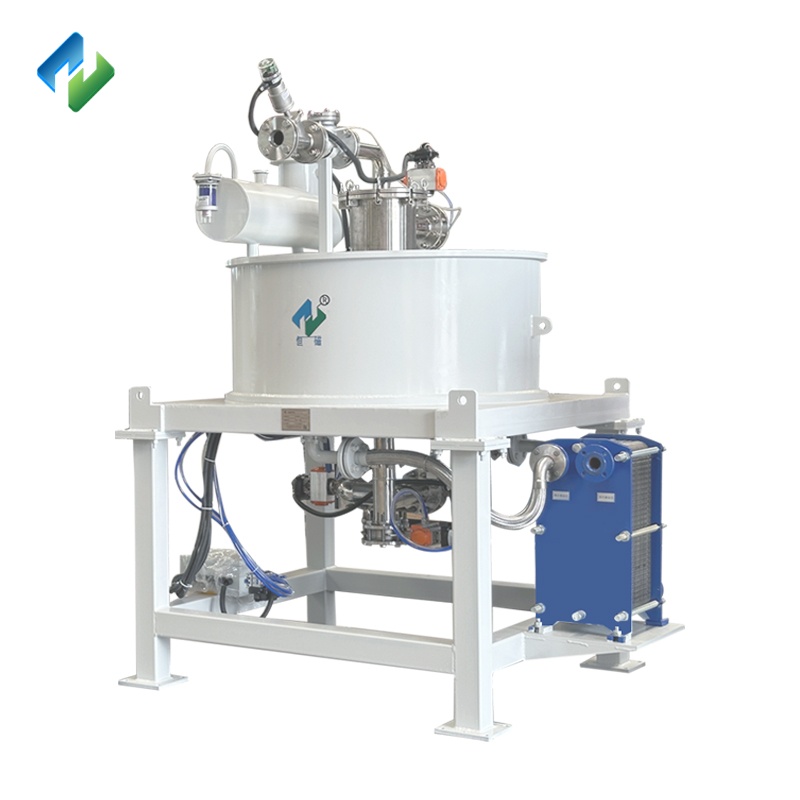
How Automatic Wet Magnetic Separation Works
In a typical electromagnetic system, ceramic slurry passes through a working zone containing a magnetized matrix. The strong magnetic field and the matrix structure help attract responsive iron-bearing particles and other suitable weakly magnetic contaminants. The cleaned slurry then continues toward the next process stage.
A Wet High Intensity Magnetic Separator can be useful where fine or weakly magnetic impurities are difficult to capture with a conventional low-intensity magnet. Actual performance depends on the mineral composition, particle size, slurry concentration, flow rate, matrix design, and operating settings. It should not be assumed that every discolouring substance is magnetic or can be removed by magnetic separation alone.
Automatic systems can coordinate feeding, separation, flushing, and discharge according to the machine design. During a cleaning cycle, the system releases captured material from the matrix so that the next separation cycle can begin. This can reduce routine manual cleaning, although operators still need to inspect the machine, maintain water and power systems, and follow the recommended maintenance schedule.
Integrating a Ceramic Magnetic Separator into Production
For ceramic manufacturers, the location of a Ceramic Magnetic Separator should be selected around the real source of contamination and the required product quality. Installing it too early may leave opportunities for contamination later in the process. Installing it too late may allow impurities to reach storage or downstream equipment before they are removed.
A practical process review should consider:
-
Feed preparation: Check slurry stability, particle size, solids concentration, and screening requirements.
-
Separation target: Identify whether the main concern is free iron, magnetic minerals, or another source of colour variation.
-
Line capacity: Match the equipment to actual flow and production demand rather than choosing by nameplate capacity alone.
-
Cleaning and maintenance: Confirm access for flushing, inspection, and removal of accumulated residue.
-
Quality checks: Compare samples before and after treatment using the plant's relevant iron-content and fired-product quality tests.
A Wet Magnetic Separator should be evaluated as part of the complete process. If iron contamination is introduced by pumps, pipes, mills, or storage tanks after the separation stage, additional controls may be needed.
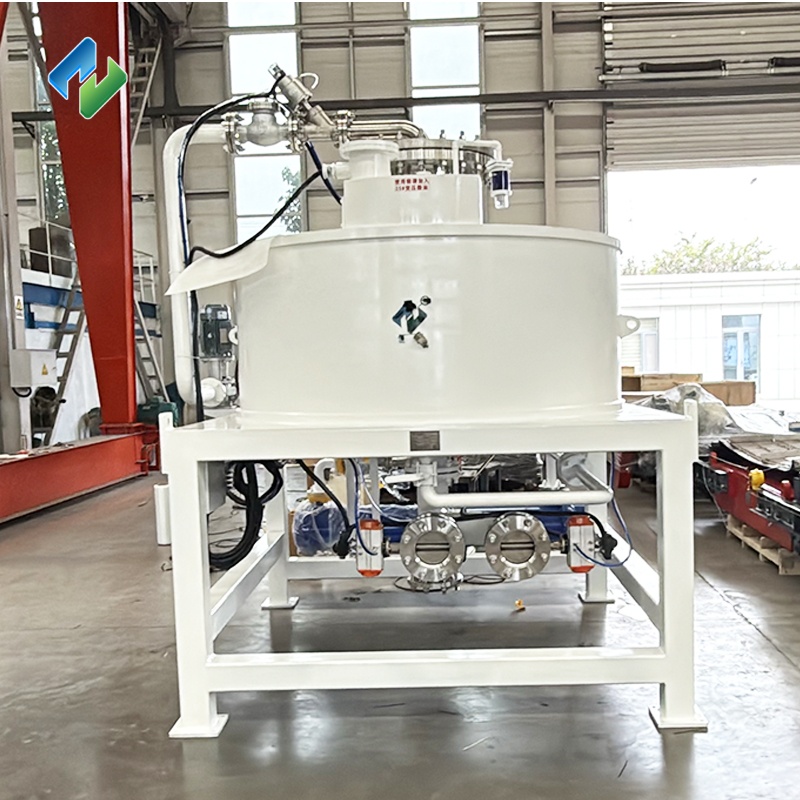
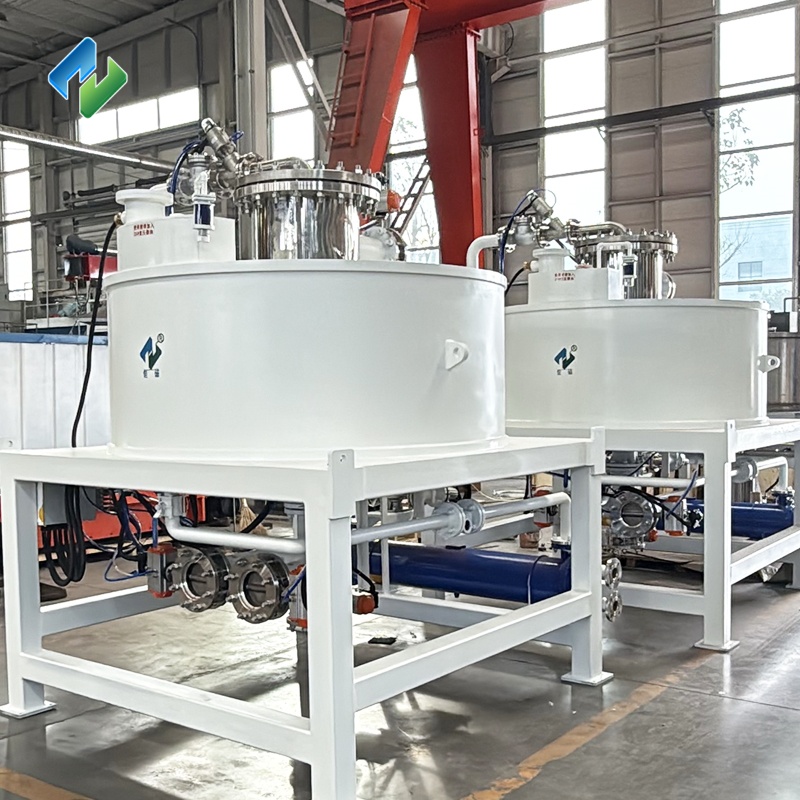
Why Testing Matters Before Equipment Selection
The term Wet High Intensity Magnetic Separator describes a class of equipment, not a guaranteed result for every ceramic slurry. Different raw materials contain different iron-bearing minerals, and some particles respond much more strongly to a magnetic field than others.
Before confirming a machine, manufacturers should provide representative slurry samples and information about throughput, solids concentration, temperature, target quality, and the available installation space. Testing can help establish whether the selected matrix and operating conditions can capture the target contaminants while keeping valuable ceramic material losses within acceptable limits.
For a plant focused on glaze appearance, a Ceramic Magnetic Separator may be one part of a broader quality-control plan that includes raw-material inspection, equipment maintenance, screening, and consistent slurry preparation. The final result should be checked after firing, because a reduction in magnetic contamination does not automatically guarantee that every surface defect will disappear.
A More Consistent Route to Ceramic Quality
Ceramic producers do not need to wait until defects appear after firing to investigate possible iron contamination. Reviewing the slurry preparation process and selecting an appropriate separation point can help address the problem earlier.
A correctly specified Wet Magnetic Separator can support the removal of responsive magnetic impurities from ceramic slurry, while automatic cleaning may help keep operation manageable during routine production. For applications involving fine or weakly magnetic contaminants, a Wet High Intensity Magnetic Separator may be suitable, subject to sample testing and process requirements.
Hengci can assess ceramic slurry applications based on material characteristics, required throughput, and the intended position in the production line. The most reliable selection starts with understanding the contamination and confirming performance through testing, rather than relying on magnetic field strength alone.
High Intensity Dry Magnetic Separator, Battery Material Magnetic Separator, Dry Powder Magnetic Separator
Related Article

Need Assistance? We're Here To Help!
Enter your information and our team will reach out to you shortly.