
Suspended Magnetic Separator for Continuous Conveyor Protection
author: hengci
2026-08-18
A conveyor system can move thousands of tons of material every day, but a single piece of unwanted steel can bring the entire process to a stop.
Bolts, broken machine parts, tools, wire, and other ferrous objects can enter bulk materials during mining, crushing, recycling, and transportation. Once they reach a crusher, shredder, mill, or other downstream machine, the consequences can range from premature wear to serious equipment damage.
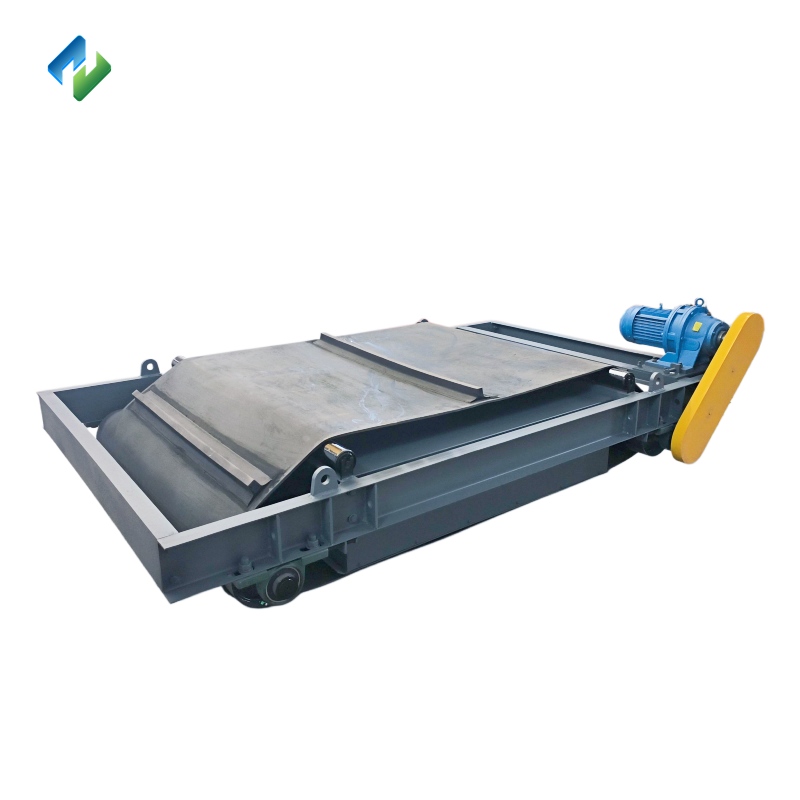
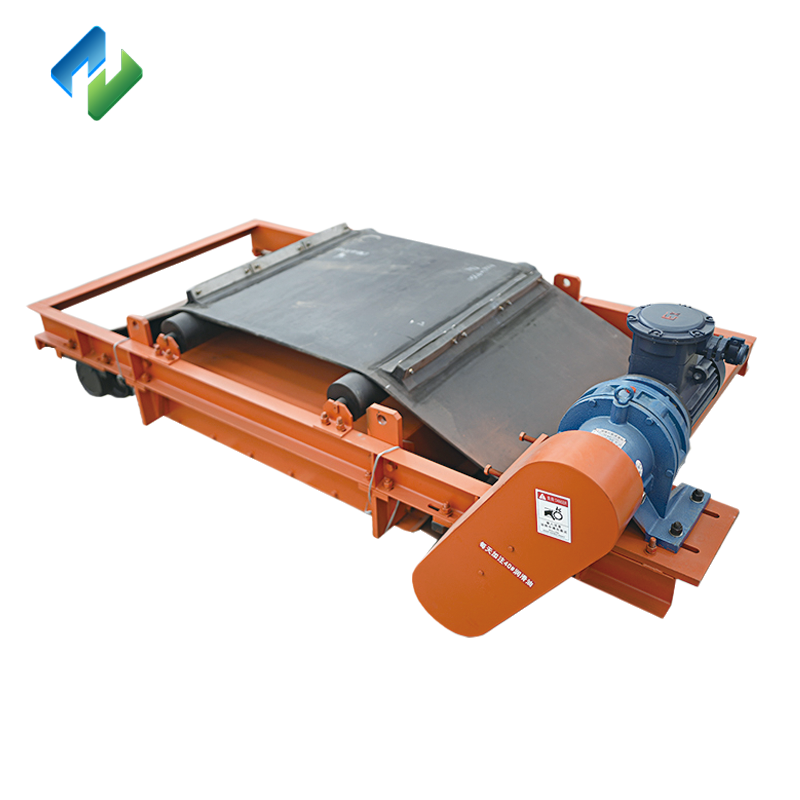
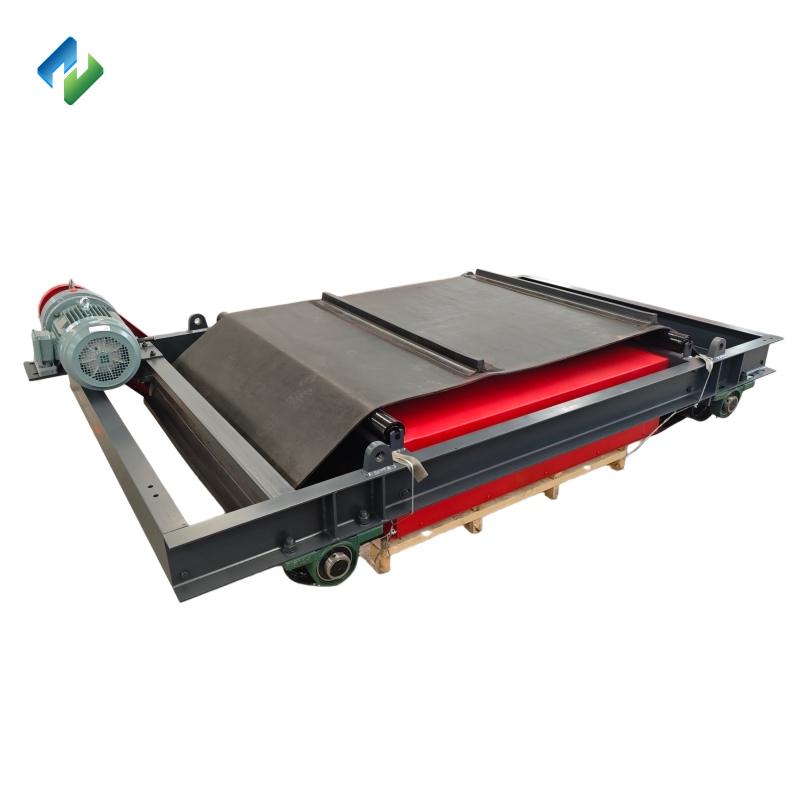
A Suspended Magnetic Separator provides a simple way to address this problem before it becomes a costly production issue. Positioned above a moving conveyor, the magnetic system continuously attracts ferrous objects from the material stream and removes them from the production flow.
For operations where uptime matters, magnetic separation is not simply about cleaning the product. It is about protecting the entire process.
The Cost of One Piece of Tramp Metal
In a large processing plant, most material contamination is relatively easy to manage. Oversized stones can be screened, while different materials can be separated through established processing stages.
Metal is different.
A steel component that accidentally enters a crusher can damage critical internal parts within seconds. In recycling plants, larger pieces of ferrous metal can also interfere with shredding and sorting equipment.
This is why an Overband Magnet is often installed before equipment that is particularly vulnerable to tramp metal.
Instead of waiting for contamination to reach the next processing stage, the magnetic separator removes it while the material is still travelling on the conveyor.
How Suspended Magnetic Separation Fits into a Conveyor Line
The concept is straightforward.
Bulk material travels along the conveyor while the magnetic separator is suspended above the belt. As the material passes through the magnetic field, ferrous objects are attracted away from the main product stream.
The captured metal can then be discharged into a separate collection area, allowing the conveyor to continue operating.
This makes the system particularly suitable for facilities where stopping production for manual inspection is not practical.
A properly positioned Conveyor Belt Magnet can operate as an automatic protection point within the material handling system.
More Than Iron Removal
It is easy to think of magnetic separation as a product-cleaning process. In many heavy industries, its greater value comes from equipment protection.
Consider a typical processing line:
Feeding → Conveyor → Magnetic Separation → Crusher → Screening → Final Processing
If unwanted steel is removed before the crusher, the magnetic separator has already prevented a potential mechanical problem before it occurs.
This can help reduce:
- Unplanned equipment shutdowns
- Damage to crushers and shredders
- Maintenance caused by tramp metal
- Production interruptions
- Manual inspection requirements
For high-throughput operations, preventing downtime can be more valuable than the recovered metal itself.
Mining Is Only One Part of the Picture
Mining remains one of the major applications for a Suspended Magnetic Separator, particularly where ore and bulk materials are transported continuously between processing stages.
However, the same principle applies to many other industries.
Quarry and aggregate plants use magnetic separation to protect crushing and screening equipment. Coal handling facilities use overhead magnets to remove unwanted steel from transported material. Recycling plants use magnetic systems to separate ferrous objects while protecting shredders and sorting equipment.
The common requirement is simple: large quantities of material need to move continuously while unwanted iron must be removed automatically.
Choosing the Right Magnetic Position
Magnetic separation performance is influenced by more than the strength of the magnet.
Installation height, conveyor speed, material depth, belt width, particle size, and the size of the ferrous objects all affect how effectively metal can be captured.
For this reason, an Overband Magnet should be selected according to the actual conveyor conditions.
For shallow material layers and suitable conveyor layouts, a single overhead magnetic unit may provide sufficient protection. Deeper material burdens or difficult separation conditions may require a different installation arrangement or magnetic configuration.
The objective is always the same: create enough magnetic attraction and exposure time for ferrous objects to be captured before they pass beyond the separation zone.
Continuous Operation Makes the Difference
A magnetic separator becomes significantly more useful when it can operate continuously alongside the conveyor.
Production does not need to stop every time iron is captured. Instead, the cleaning system removes collected metal from the magnetic area and transfers it away from the main material stream.
This makes the Conveyor Belt Magnet particularly valuable for plants operating long shifts or continuous production schedules.
Less manual intervention also means operators can focus on the wider production process rather than repeatedly checking and cleaning the magnetic equipment.


Why Hengci Develops Conveyor Magnetic Solutions
Hengci manufactures magnetic separation equipment for bulk material handling, mining, recycling, aggregate processing, and other industrial applications.
Rather than treating every conveyor system in the same way, Hengci can configure magnetic equipment according to the customer's actual operating conditions.
Important factors include conveyor width, belt speed, material characteristics, installation position, expected tramp metal size, and required separation performance.
This approach allows the Suspended Magnetic Separator to become part of the customer's existing material handling system instead of functioning as an isolated piece of equipment.
A Small Protection Point with a Big Production Impact
The role of an overhead magnetic separator is easy to underestimate.
It may occupy only a small section of a conveyor line, yet it can protect some of the most expensive equipment in the entire plant.
By removing unwanted ferrous objects before they reach crushers, shredders, mills, and other critical machines, a Suspended Magnetic Separator can help companies maintain smoother production and reduce the risk of costly interruptions.
For facilities where conveyor uptime and equipment protection are priorities, an Overband Magnet is a practical investment in long-term production reliability.
And that is why the Conveyor Belt Magnet remains an important part of modern bulk material handling systems.
Hengci manufactures magnetic separation equipment for bulk material handling, mining, recycling, aggregate processing, and other industrial applications.
Rather than treating every conveyor system in the same way, Hengci can configure magnetic equipment according to the customer's actual operating conditions.
Important factors include conveyor width, belt speed, material characteristics, installation position, expected tramp metal size, and required separation performance.
This approach allows the Suspended Magnetic Separator to become part of the customer's existing material handling system instead of functioning as an isolated piece of equipment.
A Small Protection Point with a Big Production Impact
The role of an overhead magnetic separator is easy to underestimate.
It may occupy only a small section of a conveyor line, yet it can protect some of the most expensive equipment in the entire plant.
By removing unwanted ferrous objects before they reach crushers, shredders, mills, and other critical machines, a Suspended Magnetic Separator can help companies maintain smoother production and reduce the risk of costly interruptions.
For facilities where conveyor uptime and equipment protection are priorities, an Overband Magnet is a practical investment in long-term production reliability.
And that is why the Conveyor Belt Magnet remains an important part of modern bulk material handling systems.
Suspended Disc Electromagnetic Separator for Coal and Power Plants
High Intensity Magnetic Separator: When Conventional Magnetic Separation Is Not Enough
Related Article
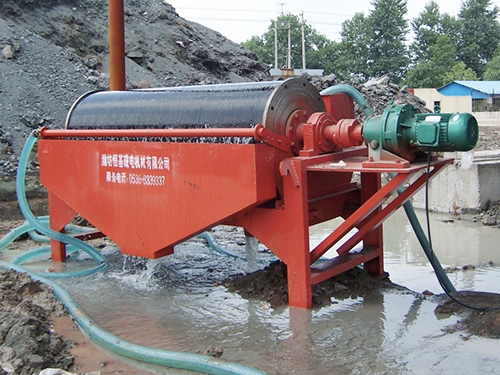
Wet Drum Magnetic Separator recovers magnetic materials from slurry and helps reduce magnetic mineral losses in tailings. Suitable for iron ore processing and mineral recovery plants.
How a Wet Drum Magnetic Separator Improves Mineral Recovery
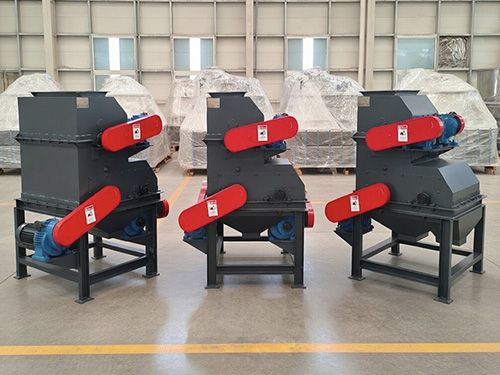
Dry Magnetic Drum Separator removes ferrous contaminants and recovers magnetic materials from dry bulk products. Designed for mining, sand, gravel, aggregates, recycling and material handling.
Dry Magnetic Separator for Metal Ore Processing and Beneficiation
Need Assistance? We're Here To Help!
Enter your information and our team will reach out to you shortly.