
Eddy Current Separator for Automotive Shredding and Scrap Metal Recycling
author: hengci
2026-09-02
Automotive shredding plants and scrap metal recycling enterprises are under increasing pressure to recover more value from every ton of incoming material. Removing steel from shredded vehicles is an essential part of the process, but it is only the beginning of complete metal recovery.
After ferrous metals are separated, the remaining material can still contain valuable aluminum, copper, brass and other non-ferrous metals. These materials may be mixed with plastic, rubber, glass and other residues, making manual recovery difficult and inefficient.
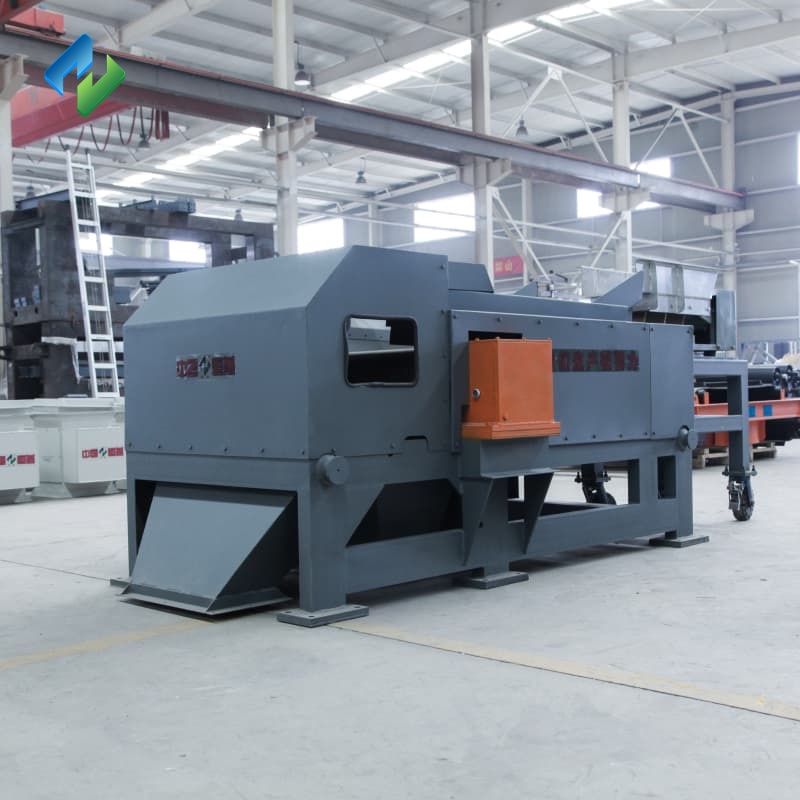
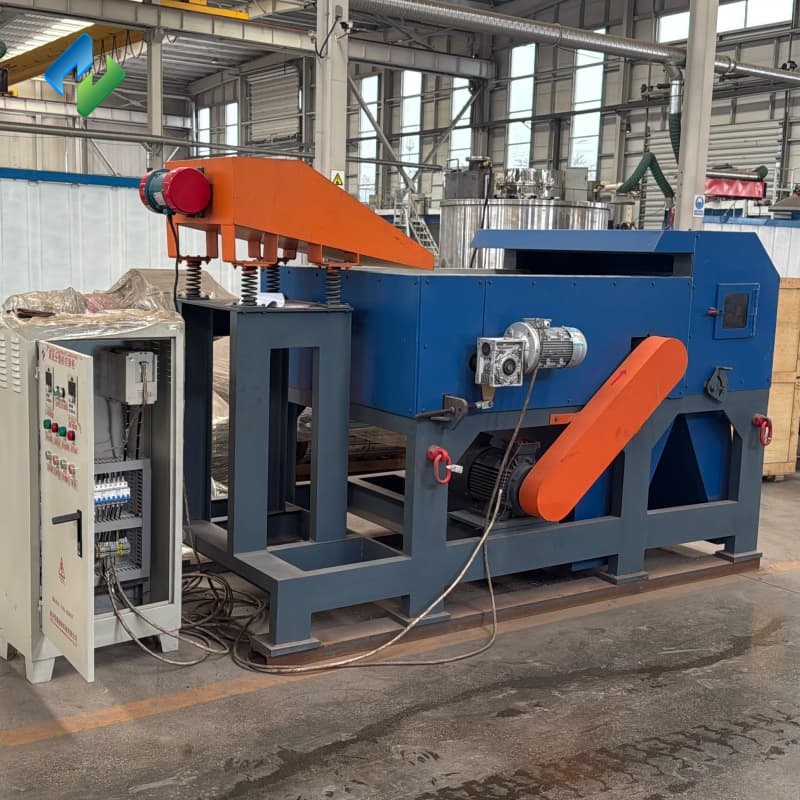
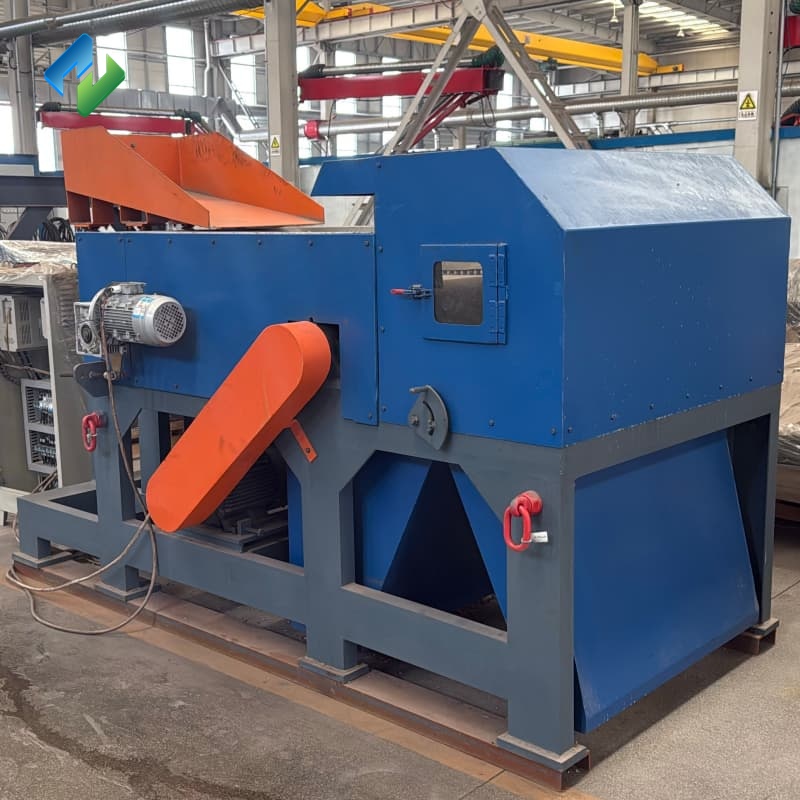
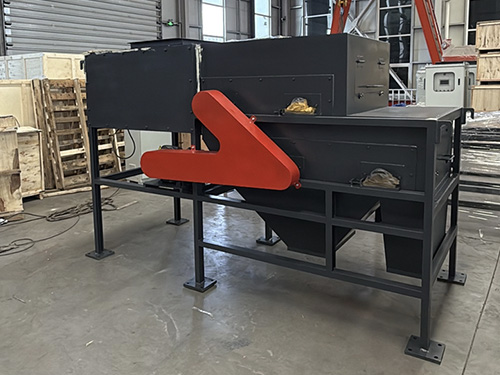
An Eddy Current Separator provides an automated solution for this stage. It is designed to separate conductive non-ferrous metals from non-metallic materials after shredding and ferrous separation.
For automotive recycling and scrap processing operations, an Eddy Current Separator can add another valuable recovery stage to an existing production line and help reduce the amount of recoverable metal lost with residual waste.
Why Steel Recovery Is Not Enough
Steel is normally the largest metallic fraction recovered from end-of-life vehicles and mixed scrap. Conventional magnetic separators can efficiently remove ferrous metals from a shredded material stream.
However, once the steel has been removed, the remaining material should not automatically be treated as low-value waste.
Aluminum from wheels, engine components, transmission parts and vehicle structures can remain in the shredded fraction. Copper and brass may also be present in electrical components and other assemblies.
If this material is not separated, valuable non-ferrous metals can leave the recycling line together with plastic, rubber and other residual materials.
This is where an Eddy Current Separator becomes important. Instead of relying on conventional magnetic attraction, it uses electromagnetic induction to create a repulsive force on conductive non-ferrous metals.
The result is an additional separation stage that can recover materials that conventional magnetic separation cannot efficiently target.
After ferrous metals are separated, the remaining material can still contain valuable aluminum, copper, brass and other non-ferrous metals. These materials may be mixed with plastic, rubber, glass and other residues, making manual recovery difficult and inefficient.
An Eddy Current Separator provides an automated solution for this stage. It is designed to separate conductive non-ferrous metals from non-metallic materials after shredding and ferrous separation.
For automotive recycling and scrap processing operations, an Eddy Current Separator can add another valuable recovery stage to an existing production line and help reduce the amount of recoverable metal lost with residual waste.
Why Steel Recovery Is Not Enough
Steel is normally the largest metallic fraction recovered from end-of-life vehicles and mixed scrap. Conventional magnetic separators can efficiently remove ferrous metals from a shredded material stream.
However, once the steel has been removed, the remaining material should not automatically be treated as low-value waste.
Aluminum from wheels, engine components, transmission parts and vehicle structures can remain in the shredded fraction. Copper and brass may also be present in electrical components and other assemblies.
If this material is not separated, valuable non-ferrous metals can leave the recycling line together with plastic, rubber and other residual materials.
This is where an Eddy Current Separator becomes important. Instead of relying on conventional magnetic attraction, it uses electromagnetic induction to create a repulsive force on conductive non-ferrous metals.
The result is an additional separation stage that can recover materials that conventional magnetic separation cannot efficiently target.
How an Eddy Current Separator Separates Non-Ferrous Metals
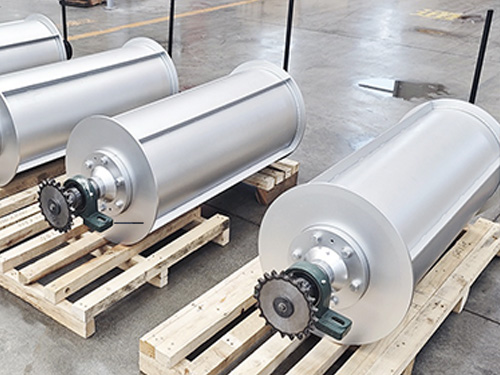
The operating principle of an Eddy Current Separator is based on the interaction between a high-speed magnetic rotor and electrically conductive metals.
Shredded material is evenly distributed onto a conveyor belt and transported toward the magnetic rotor. As aluminum, copper and other conductive metals enter the changing magnetic field, eddy currents are induced within the metal.
These eddy currents generate their own magnetic field. The interaction between the two magnetic fields creates a repulsive force that changes the trajectory of the non-ferrous metal particles.
Non-metallic materials such as plastic, rubber and glass are not affected in the same way and continue along a different trajectory.
This difference allows the Eddy Current Separator to divide the material stream into a non-ferrous metal fraction and a residual fraction.
Because the process is continuous and automated, it is well suited to high-volume automotive shredding and scrap recycling operations.
Aluminum Recovery After Automotive Shredding
Aluminum is an important recovery target in automotive recycling.
Modern vehicles use aluminum in a wide range of components, and these parts can become fragmented during shredding. Once the steel has been removed, aluminum pieces can remain mixed with other materials.
An Eddy Current Separator can be installed downstream of the ferrous separation stage to recover these aluminum particles.
This makes the equipment an important form of Aluminum Recycling Equipment for automotive shredding plants.
The goal is not simply to separate aluminum from waste. It is to turn material that might otherwise have little recovery value into a usable metal fraction.
For recycling companies processing large quantities of vehicles, even a relatively small improvement in aluminum recovery can become significant when multiplied across the total annual throughput.
Eddy Current Separator for Scrap Steel Recycling Enterprises
Scrap steel recycling enterprises often process a much wider range of materials than their name suggests.
Incoming scrap may include end-of-life vehicles, machinery, industrial components, construction scrap and mixed metal products. These materials can contain both ferrous and non-ferrous metals.
An Eddy Current Separator can be integrated after conventional magnetic separation to recover non-ferrous metals from the remaining material stream.
A typical processing line may include shredding, screening, magnetic separation and eddy current separation.
The shredding stage reduces the material into smaller pieces. Screening can help control particle size and remove oversized material. Magnetic separation then removes the main ferrous fraction.
After these stages, the Eddy Current Separator focuses on conductive non-ferrous metals.
This combination allows each piece of Metal Recovery Equipment to perform a specific separation task and creates a more complete recycling process.
Why Aluminum Recycling Equipment Adds More Value
For a recycling company, the value of equipment is ultimately connected to the amount and quality of material recovered.
An Eddy Current Separator can help reduce the loss of aluminum into residual waste streams and increase the amount of recoverable non-ferrous material produced by the plant.
As Aluminum Recycling Equipment, the system is particularly useful when aluminum represents a meaningful part of the post-shredding material.
The benefits can include improved aluminum recovery, cleaner non-ferrous fractions, continuous operation and reduced dependence on manual sorting.
More importantly, the equipment can work within an existing automated process rather than requiring workers to manually identify individual aluminum pieces.
For high-throughput facilities, this can make a major difference in both processing consistency and labor requirements.
Recovering More Than Aluminum
An Eddy Current Separator is not limited to aluminum.
Depending on the feed material and operating conditions, the equipment can also help recover conductive metals such as copper and brass.
This broader capability makes it useful for mixed scrap streams where the exact material composition can vary from one batch to another.
For example, shredded vehicles may contain aluminum together with copper-bearing components. Industrial scrap may contain aluminum, brass and other non-ferrous metals.
By adding an Eddy Current Separator to the production line, recycling companies can continue recovering valuable metals after the main ferrous fraction has already been removed.
This makes the equipment a useful part of a broader Metal Recovery Equipment system rather than a machine dedicated to only one material.
Where to Install an Eddy Current Separator
The location of an Eddy Current Separator within the production line has an important influence on separation performance.
For automotive shredding plants, it is generally advantageous to place the equipment after the material has been shredded, screened and subjected to ferrous magnetic separation.
Removing large steel pieces before non-ferrous separation helps create a more suitable feed stream for the eddy current stage.
Particle size is another important consideration. Proper screening can help create a more consistent material stream, while excessive oversize material may interfere with stable separation.
A well-designed process can therefore combine shredding, screening, magnetic separation and an Eddy Current Separator into a continuous recovery system.
Existing scrap recycling enterprises can also evaluate whether an eddy current stage can be added to their current line to improve non-ferrous metal recovery.
Choosing the Right Metal Recovery Equipment
Every recycling operation has different material and production requirements.
Before selecting an Eddy Current Separator, operators should consider feed particle size, material composition, throughput, conveyor width, moisture, contamination and the desired quality of the recovered metal.
The distribution of material across the conveyor is also important. A stable and relatively even material layer gives the separation system a better opportunity to achieve consistent results.
The right Metal Recovery Equipment should therefore be selected according to the actual feedstock and production conditions rather than capacity alone.
For automotive shredding plants, the equipment must also work reliably with continuous material flow. High-volume operations cannot depend on frequent manual intervention without affecting productivity.
Continuous Processing for High-Volume Recycling
Automotive shredding plants and large scrap recycling enterprises often operate continuously for long production periods.
In these environments, manual sorting can become a bottleneck. Labor requirements increase as throughput rises, while sorting consistency can vary between operators.
An automated Eddy Current Separator can work continuously as part of the conveyor system.
Once the material is properly fed, the equipment can repeatedly separate conductive non-ferrous metals from the residual stream without requiring an operator to identify every individual piece.
This continuous operating capability is one of the reasons an Eddy Current Separator is valuable in modern recycling facilities.
Combined with other Metal Recovery Equipment, it can help maintain a stable flow from shredding through final material recovery.
Building a More Complete Automotive Recycling Process
The future of automotive recycling is not only about recovering more steel.
As the value of aluminum, copper and other non-ferrous metals increases, recycling plants have greater opportunities to improve the total value recovered from end-of-life vehicles.
An Eddy Current Separator provides a practical way to add automated non-ferrous separation after conventional magnetic separation.
When combined with shredders, screens, magnetic separators and other Aluminum Recycling Equipment, the system can produce more clearly separated material fractions.
For scrap steel recycling enterprises, this approach can also reduce the amount of valuable non-ferrous metal remaining in low-value residue.
The result is a recycling process that focuses on maximizing material recovery rather than simply removing the largest metal fraction.
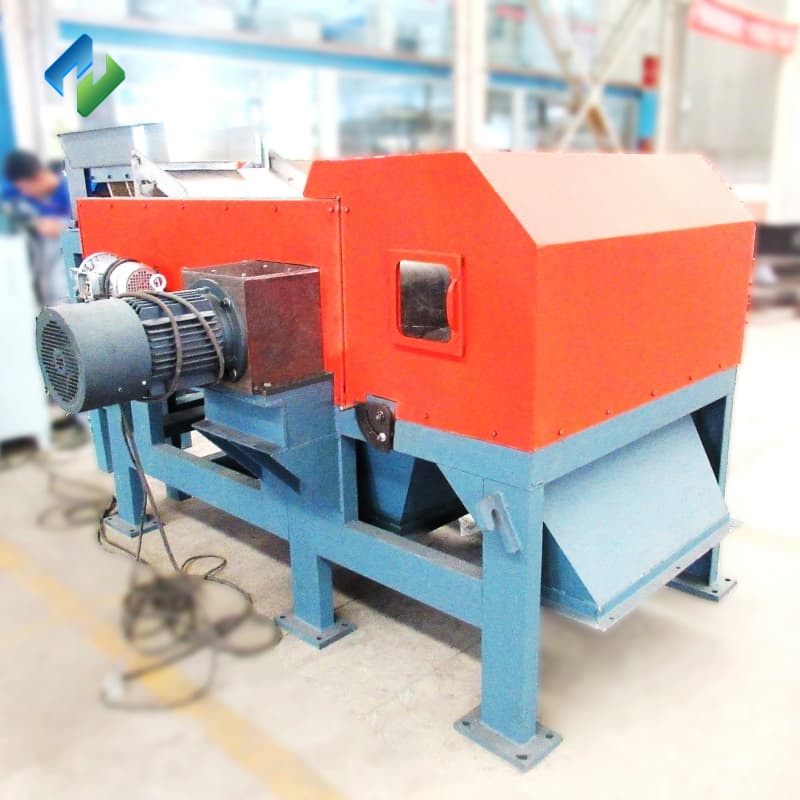
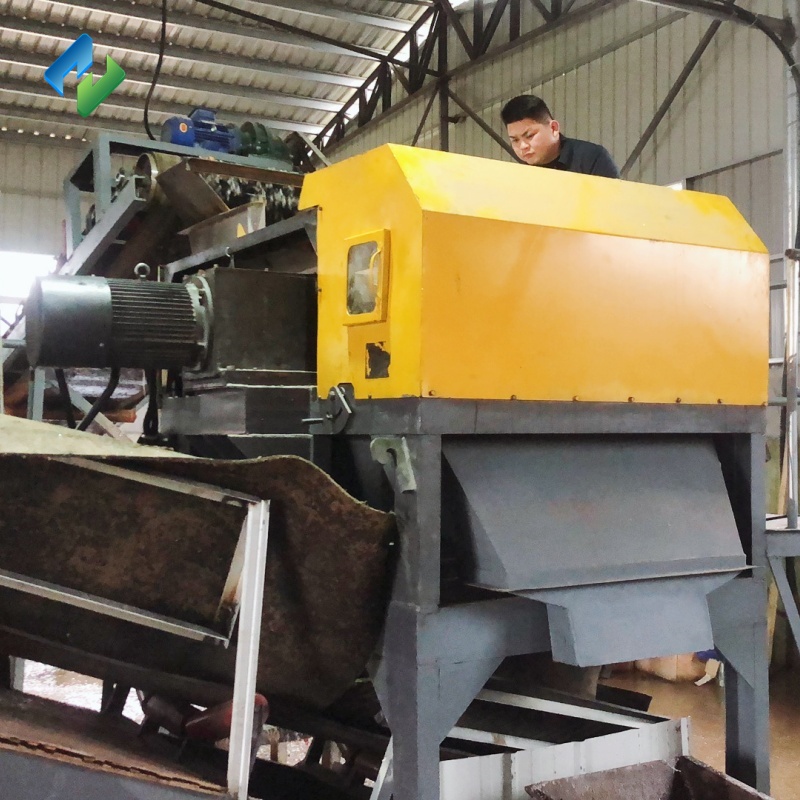
The operating principle of an Eddy Current Separator is based on the interaction between a high-speed magnetic rotor and electrically conductive metals.
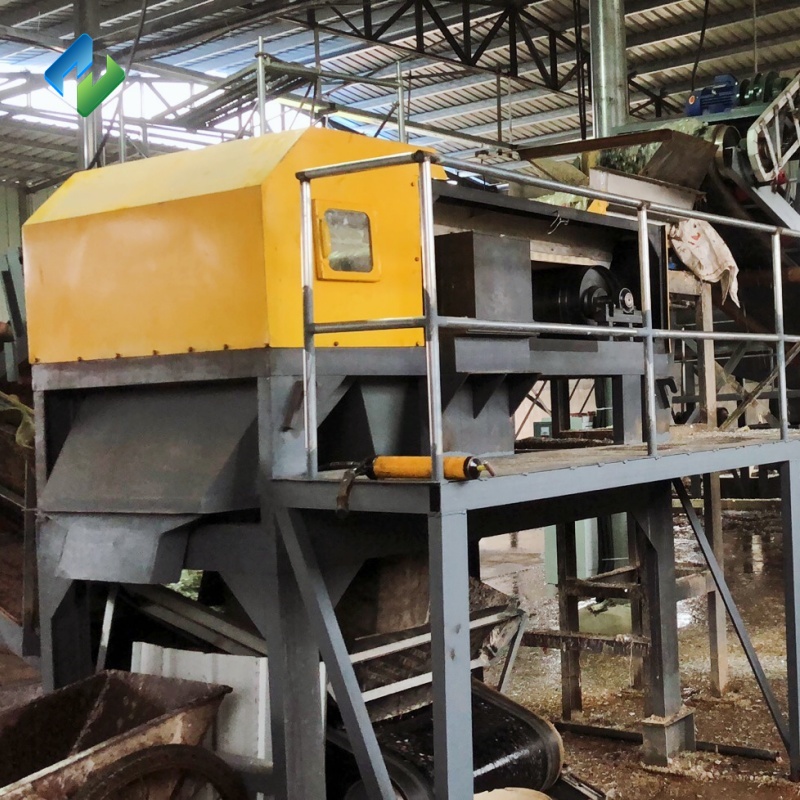
Shredded material is evenly distributed onto a conveyor belt and transported toward the magnetic rotor. As aluminum, copper and other conductive metals enter the changing magnetic field, eddy currents are induced within the metal.
These eddy currents generate their own magnetic field. The interaction between the two magnetic fields creates a repulsive force that changes the trajectory of the non-ferrous metal particles.
Non-metallic materials such as plastic, rubber and glass are not affected in the same way and continue along a different trajectory.
This difference allows the Eddy Current Separator to divide the material stream into a non-ferrous metal fraction and a residual fraction.
Because the process is continuous and automated, it is well suited to high-volume automotive shredding and scrap recycling operations.
Aluminum Recovery After Automotive Shredding
Aluminum is an important recovery target in automotive recycling.
Modern vehicles use aluminum in a wide range of components, and these parts can become fragmented during shredding. Once the steel has been removed, aluminum pieces can remain mixed with other materials.
An Eddy Current Separator can be installed downstream of the ferrous separation stage to recover these aluminum particles.
This makes the equipment an important form of Aluminum Recycling Equipment for automotive shredding plants.
The goal is not simply to separate aluminum from waste. It is to turn material that might otherwise have little recovery value into a usable metal fraction.
For recycling companies processing large quantities of vehicles, even a relatively small improvement in aluminum recovery can become significant when multiplied across the total annual throughput.
Eddy Current Separator for Scrap Steel Recycling Enterprises
Scrap steel recycling enterprises often process a much wider range of materials than their name suggests.
Incoming scrap may include end-of-life vehicles, machinery, industrial components, construction scrap and mixed metal products. These materials can contain both ferrous and non-ferrous metals.
An Eddy Current Separator can be integrated after conventional magnetic separation to recover non-ferrous metals from the remaining material stream.
A typical processing line may include shredding, screening, magnetic separation and eddy current separation.
The shredding stage reduces the material into smaller pieces. Screening can help control particle size and remove oversized material. Magnetic separation then removes the main ferrous fraction.
After these stages, the Eddy Current Separator focuses on conductive non-ferrous metals.
This combination allows each piece of Metal Recovery Equipment to perform a specific separation task and creates a more complete recycling process.
Why Aluminum Recycling Equipment Adds More Value
For a recycling company, the value of equipment is ultimately connected to the amount and quality of material recovered.
An Eddy Current Separator can help reduce the loss of aluminum into residual waste streams and increase the amount of recoverable non-ferrous material produced by the plant.
As Aluminum Recycling Equipment, the system is particularly useful when aluminum represents a meaningful part of the post-shredding material.
The benefits can include improved aluminum recovery, cleaner non-ferrous fractions, continuous operation and reduced dependence on manual sorting.
More importantly, the equipment can work within an existing automated process rather than requiring workers to manually identify individual aluminum pieces.
For high-throughput facilities, this can make a major difference in both processing consistency and labor requirements.
Recovering More Than Aluminum
An Eddy Current Separator is not limited to aluminum.
Depending on the feed material and operating conditions, the equipment can also help recover conductive metals such as copper and brass.
This broader capability makes it useful for mixed scrap streams where the exact material composition can vary from one batch to another.
For example, shredded vehicles may contain aluminum together with copper-bearing components. Industrial scrap may contain aluminum, brass and other non-ferrous metals.
By adding an Eddy Current Separator to the production line, recycling companies can continue recovering valuable metals after the main ferrous fraction has already been removed.
This makes the equipment a useful part of a broader Metal Recovery Equipment system rather than a machine dedicated to only one material.
Where to Install an Eddy Current Separator
The location of an Eddy Current Separator within the production line has an important influence on separation performance.
For automotive shredding plants, it is generally advantageous to place the equipment after the material has been shredded, screened and subjected to ferrous magnetic separation.
Removing large steel pieces before non-ferrous separation helps create a more suitable feed stream for the eddy current stage.
Particle size is another important consideration. Proper screening can help create a more consistent material stream, while excessive oversize material may interfere with stable separation.
A well-designed process can therefore combine shredding, screening, magnetic separation and an Eddy Current Separator into a continuous recovery system.
Existing scrap recycling enterprises can also evaluate whether an eddy current stage can be added to their current line to improve non-ferrous metal recovery.
Choosing the Right Metal Recovery Equipment
Every recycling operation has different material and production requirements.
Before selecting an Eddy Current Separator, operators should consider feed particle size, material composition, throughput, conveyor width, moisture, contamination and the desired quality of the recovered metal.
The distribution of material across the conveyor is also important. A stable and relatively even material layer gives the separation system a better opportunity to achieve consistent results.
The right Metal Recovery Equipment should therefore be selected according to the actual feedstock and production conditions rather than capacity alone.
For automotive shredding plants, the equipment must also work reliably with continuous material flow. High-volume operations cannot depend on frequent manual intervention without affecting productivity.
Continuous Processing for High-Volume Recycling
Automotive shredding plants and large scrap recycling enterprises often operate continuously for long production periods.
In these environments, manual sorting can become a bottleneck. Labor requirements increase as throughput rises, while sorting consistency can vary between operators.
An automated Eddy Current Separator can work continuously as part of the conveyor system.
Once the material is properly fed, the equipment can repeatedly separate conductive non-ferrous metals from the residual stream without requiring an operator to identify every individual piece.
This continuous operating capability is one of the reasons an Eddy Current Separator is valuable in modern recycling facilities.
Combined with other Metal Recovery Equipment, it can help maintain a stable flow from shredding through final material recovery.
Building a More Complete Automotive Recycling Process
The future of automotive recycling is not only about recovering more steel.
As the value of aluminum, copper and other non-ferrous metals increases, recycling plants have greater opportunities to improve the total value recovered from end-of-life vehicles.
An Eddy Current Separator provides a practical way to add automated non-ferrous separation after conventional magnetic separation.
When combined with shredders, screens, magnetic separators and other Aluminum Recycling Equipment, the system can produce more clearly separated material fractions.
For scrap steel recycling enterprises, this approach can also reduce the amount of valuable non-ferrous metal remaining in low-value residue.
The result is a recycling process that focuses on maximizing material recovery rather than simply removing the largest metal fraction.
Hengci Eddy Current Separator for Recycling Applications
Hengci provides magnetic separation and metal recovery equipment for industrial recycling applications.
Our Eddy Current Separator can be integrated into automotive shredding plants, scrap metal recycling lines and other material recovery systems where non-ferrous metals need to be separated from mixed materials.
For automotive recycling, the equipment can be positioned after shredding and ferrous separation to recover aluminum and other conductive metals.
For scrap steel recycling enterprises, it can provide an additional recovery stage that helps extract value from the material remaining after conventional magnetic separation.
As Aluminum Recycling Equipment, the system can support more efficient aluminum recovery. As part of a complete Metal Recovery Equipment solution, it can also contribute to the recovery of copper, brass and other conductive metals.
Equipment configuration can be considered according to feed material, particle size, processing capacity and production-line layout.
Conclusion
Automotive shredding and scrap steel recycling should not stop at ferrous metal recovery.
After steel has been removed, valuable aluminum, copper and other non-ferrous metals can still remain in the material stream. Without further separation, part of this value may be lost with residual waste.
An Eddy Current Separator provides an automated method for recovering conductive non-ferrous metals from these mixed materials.
For automotive shredding plants and scrap recycling enterprises, combining an Eddy Current Separator with suitable Aluminum Recycling Equipment and Metal Recovery Equipment can help improve recovery rates, reduce material losses and create higher-value recovered metal fractions.
The objective is simple: recover more valuable metal from every ton of scrap while maintaining an efficient and continuous recycling process.
Hengci provides magnetic separation and metal recovery equipment for industrial recycling applications.
Our Eddy Current Separator can be integrated into automotive shredding plants, scrap metal recycling lines and other material recovery systems where non-ferrous metals need to be separated from mixed materials.
For automotive recycling, the equipment can be positioned after shredding and ferrous separation to recover aluminum and other conductive metals.
For scrap steel recycling enterprises, it can provide an additional recovery stage that helps extract value from the material remaining after conventional magnetic separation.
As Aluminum Recycling Equipment, the system can support more efficient aluminum recovery. As part of a complete Metal Recovery Equipment solution, it can also contribute to the recovery of copper, brass and other conductive metals.
Equipment configuration can be considered according to feed material, particle size, processing capacity and production-line layout.
Conclusion
Automotive shredding and scrap steel recycling should not stop at ferrous metal recovery.
After steel has been removed, valuable aluminum, copper and other non-ferrous metals can still remain in the material stream. Without further separation, part of this value may be lost with residual waste.
An Eddy Current Separator provides an automated method for recovering conductive non-ferrous metals from these mixed materials.
For automotive shredding plants and scrap recycling enterprises, combining an Eddy Current Separator with suitable Aluminum Recycling Equipment and Metal Recovery Equipment can help improve recovery rates, reduce material losses and create higher-value recovered metal fractions.
The objective is simple: recover more valuable metal from every ton of scrap while maintaining an efficient and continuous recycling process.
Wet Drum Magnetic Separator for High-Volume Mining Operations
Oil-Cooled Magnetic Separator for Coal Handling in Thermal Power Plants
Related Article
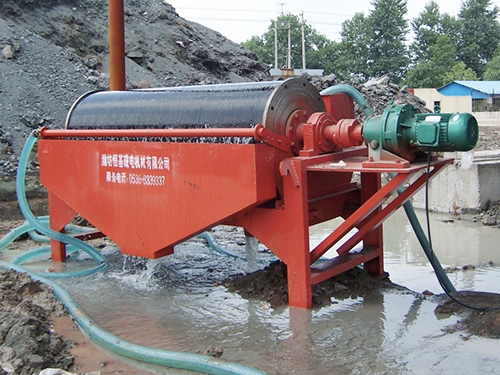
Wet Drum Magnetic Separator recovers magnetic materials from slurry and helps reduce magnetic mineral losses in tailings. Suitable for iron ore processing and mineral recovery plants.
How a Wet Drum Magnetic Separator Improves Mineral Recovery
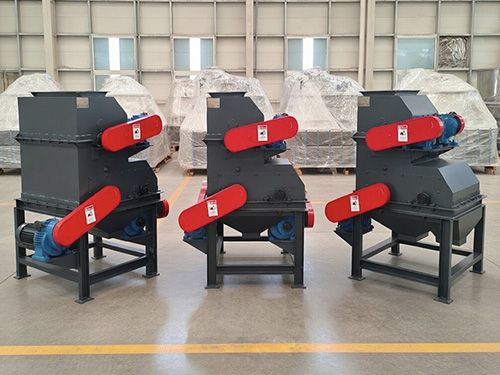
Dry Magnetic Drum Separator removes ferrous contaminants and recovers magnetic materials from dry bulk products. Designed for mining, sand, gravel, aggregates, recycling and material handling.
Dry Magnetic Separator for Metal Ore Processing and Beneficiation
Need Assistance? We're Here To Help!
Enter your information and our team will reach out to you shortly.