
Wet or Dry? The Golden Rules for Choosing a Drum Magnetic Separator
author: hengci
2026-01-15
Magnetic separation technology is crucial for the efficient separation of magnetic materials in mineral processing, resource recycling, and numerous industrial sectors. As a magnetic separator manufacturer, we understand that choosing the right equipment is the first step to project success, cost control, and efficiency improvement. Among various magnetic separation equipment, wet drum magnetic separators and dry drum magnetic separators are undoubtedly the most widely used core models. Faced with these two mainstream options, have you ever been confused: which one is more suitable for my materials and production needs?
This article will provide an in-depth analysis of the mysteries of both, helping you make an informed decision.
one. Core Principles and Working Environment
Wet Drum Magnetic Separator: As the name suggests, its separation process takes place in a liquid medium (usually water). The material is fed in as a slurry. Magnetic particles are adsorbed onto the surface of the rotating drum under the influence of a strong magnetic field and are discharged after leaving the magnetic field zone with the drum. Non-magnetic or weakly magnetic particles are discharged under the flow of the slurry.
Wet Drum Magnetic Separator: As the name suggests, its separation process takes place in a liquid medium (usually water). The material is fed in as a slurry. Magnetic particles are adsorbed onto the surface of the rotating drum under the influence of a strong magnetic field and are discharged after leaving the magnetic field zone with the drum. Non-magnetic or weakly magnetic particles are discharged under the flow of the slurry.


Dry Drum Magnetic Separator: The separation process takes place in air. Dry, loose materials are evenly distributed onto a belt or fall directly onto the drum via a feeding device. Magnetic particles are deflected or adsorbed under the influence of a magnetic field, thus achieving separation from dry, powdery, granular, non-magnetic materials.


two. Advantages and Application Areas Comparison
1.Specialized Areas of Wet Drum Magnetic Separators:
- High-Precision Separation: The "dilution" and "buffering" effect of the liquid medium allows for more effective processing of fine-particle materials (typically below -200 mesh). Mineral particles are more fully dispersed, reducing mutual interference, resulting in better purification and higher recovery rates.
- Wide Applicability: Ideal for processing raw ores, fine-grained iron minerals, coastal placer deposits, rare earth minerals, etc., and is a standard component of wet processes such as magnetite beneficiation, ilmenite separation, and kaolin iron removal.
- Dust Suppression and Environmental Protection: The entire process takes place in a slurry, completely eliminating dust pollution and creating a cleaner working environment.
- Cooling Effect: Can cool the drum and materials to a certain extent, suitable for continuous high-intensity operation.
Main considerations: Requires a supporting water supply, drainage, and concentration/dehydration system; initial investment and operating costs are relatively high; unsuitable for materials incompatible with water or in arid and water-scarce areas.
2. Applications of Dry Drum Magnetic Separators:
- No Water Required: The biggest advantage is that it requires no water, making it particularly suitable for arid regions, water-scarce areas, or situations where materials are incompatible with water.
- Simple Process: The system is simple, with typically low investment and operating costs. No complex dehydration steps are required; the output is a dry product.
- Highly Efficient for Coarse Particles: High sorting efficiency for coarse particles and large lumps (such as scrap steel crushing, industrial slag, and building aggregates), performing excellently in resource recovery (recovering metals from waste) and pretreatment for iron removal.
- Flexible and Convenient: Flexible equipment layout; easily installed in the middle of a production line for online iron removal protection or end-of-line recovery.
Main considerations: Dust generation is likely when processing fine powders, requiring a dust removal system; for fine-particle materials, the sorting accuracy and recovery rate are generally lower than wet magnetic separators.
three. How to Choose? A Checklist to Clarify Your Strategies
To help you quickly pinpoint your needs, please consider the following questions:
- Material Properties: Is your material coarse-grained/lumpy or fine-grained/powdered? What is its moisture content? Is it sensitive to water?
- Product Requirements: How high are your requirements for the purity (grade) and recovery rate of the final product?
- Production Environment: Is there abundant water resources on site? What are the environmental requirements for dust or wastewater discharge?
- Process Integration: Is your existing production line a wet or dry process? Choosing equipment that matches the process will minimize modifications.
- Cost Considerations: Comprehensively compare the initial investment, operating costs (water, electricity, consumables), and total cost of ownership for subsequent maintenance.
Simple Decision Reference:
Prioritize Wet Magnetic Separators: Suitable for processing fine or micro-fine minerals, requiring extremely high concentrate grade and recovery rates, materials not sensitive to water, and existing wet processes or abundant water resources.
Dry magnetic separators are preferred for: processing coarse-grained materials, resource recycling (scrap steel, slag), water-scarce areas, materials sensitive to water, requiring dry production, or simple and fast processes.

Conclusion: There is no "best" equipment, only the "most suitable" solution. Both wet and dry drum magnetic separators have their advantages and disadvantages; both are indispensable tools in modern industry.
As a professional magnetic separator manufacturer, we not only provide you with a full range of high-quality drum magnetic separators, from dry to wet, from weak to strong magnetic fields, but we are also committed to becoming your technical partner. We have extensive industry application experience and can provide free experimental analysis, process design, and equipment selection recommendations based on your specific material samples, production goals, and operating conditions, ensuring that every penny of your investment yields maximum separation benefits.
Contact us now to get a customized magnetic separation solution and let precise separation become a powerful engine for improving your quality and efficiency!
Why are drawer filter magnets becoming increasingly popular in the industry?
How to quickly recoup costs and enhance long-term competitiveness when investing in a wet drum magnetic separator?
Related Article
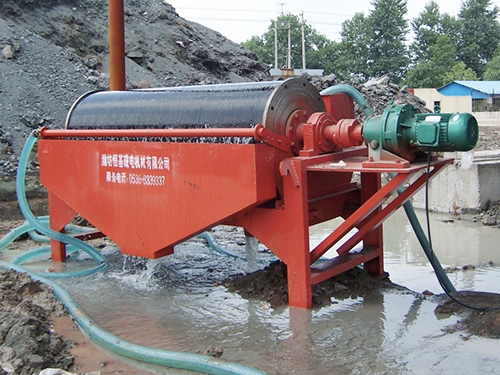
Wet Drum Magnetic Separator recovers magnetic materials from slurry and helps reduce magnetic mineral losses in tailings. Suitable for iron ore processing and mineral recovery plants.
How a Wet Drum Magnetic Separator Improves Mineral Recovery
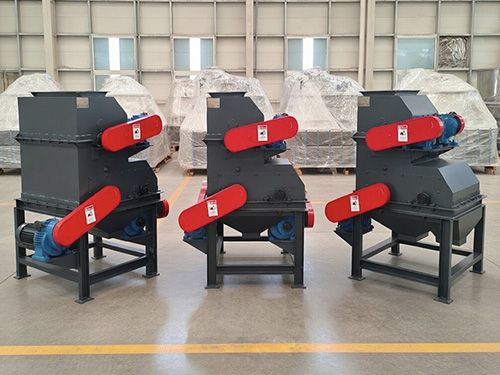
Dry Magnetic Drum Separator removes ferrous contaminants and recovers magnetic materials from dry bulk products. Designed for mining, sand, gravel, aggregates, recycling and material handling.
Dry Magnetic Separator for Metal Ore Processing and Beneficiation
Need Assistance? We're Here To Help!
Enter your information and our team will reach out to you shortly.